Why Lakhs Visit Alarnath Temple for Just 15 Days
Noopur Kumari | Jul 01, 2026, 15:00 IST
For fifteen sacred days every year, Alarnath Temple becomes one of the most spiritually significant pilgrimage sites in Odisha. From the mysterious change in the deity's appearance to the miraculous kheer prasad that never seems to run out, every ritual here carries a story filled with devotion and faith. The temple is also home to fascinating legends, including the stone dog believed to guard devotees and a special offering that is said to fulfill heartfelt wishes. Here's why Alarnath Temple is far more than just a temple it is a place where divine presence is deeply felt.

Every year, after the grand Snana Purnima ritual, something extraordinary happens in the spiritual world of Lord Jagannath. The doors of the Jagannath Temple remain closed because the Lord is believed to fall ill after the ceremonial bath. But does that mean devotees are left without His blessings? Surprisingly, no. During these sacred 15 days, millions of devotees turn their hearts toward one ancient temple that many people still know very little about Alarnath Temple. This holy place is not just an alternative destination; it is believed to become Lord Jagannath's divine abode until He recovers.
![Shocking Legend of the Stone Dog at Alarnath Temple]()
After Snana Purnima, Lord Jagannath is believed to become unwell due to the ceremonial bath and enters a period known as Anasara. During these fifteen days, devotees cannot have His darshan at the Jagannath Temple. According to tradition, Lord Jagannath spiritually resides at Alarnath Temple, making it the most important place of worship during this period. Thousands of devotees travel here believing they receive the same divine blessings while the Lord regains His strength before the famous Rath Yatra.
![The Sacred Idol of Lord Alarnath Inside the Temple]()
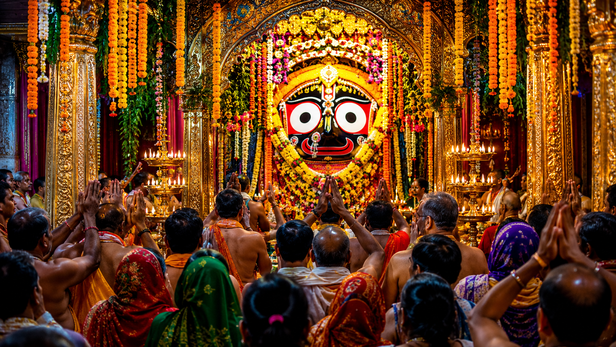
One of the most fascinating beliefs associated with Alarnath Temple is that the deity's appearance slowly changes during the fifteen-day Anasara period. Devotees say the divine glow of Lord Alarnath becomes brighter day by day, symbolizing Lord Jagannath's recovery. This spiritual transformation cannot be measured by science, but generations of worshippers consider it a living sign of the Lord returning to full health. Witnessing this sacred change is regarded as a rare blessing that deepens one's faith.
Among the temple's lesser-known mysteries stands an ancient stone dog that has silently guarded the entrance for centuries. Local traditions believe the sacred guardian protects pilgrims and guides sincere devotees who visit with pure faith. While many visitors focus on the main shrine, experienced devotees never miss paying respect to this symbolic protector. Its presence reminds everyone that divine guardianship often appears in the most unexpected forms, quietly watching over those who seek blessings.
The kheer offered at Alarnath Temple is far more than a traditional sweet dish. Devotees lovingly call it divine nectar because it is believed to carry Lord Jagannath's blessings. Many visitors say receiving this prasad fills them with peace, hope, and spiritual satisfaction. Despite the massive crowds during Anasara, people are amazed that the temple continues serving countless devotees every day. This remarkable tradition has strengthened the temple's reputation as a place where faith is rewarded.
According to temple traditions, devotees seeking the fulfillment of an important wish offer kheer along with sacred Tulsi leaves to the Lord. Afterward, they distribute kheer to Brahmins and offer dakshina with humility and gratitude. This ritual is believed to express complete surrender rather than simply asking for blessings. Generations of devotees continue this practice, convinced that sincere devotion, charity, and faith together open the path toward divine grace and fulfilled prayers.
Visiting Alarnath Temple during Anasara is not just another pilgrimage it is an emotional experience that brings devotees closer to Lord Jagannath during His most human moment. Along with seeking darshan, many pilgrims also visit nearby sacred shrines to complete their spiritual journey. Whether you come for the miraculous kheer, the ancient legends, or simply to experience peaceful devotion, the temple offers a unique connection that remains in the hearts of devotees long after they return home.
Unlock insightful tips and inspiration on personal growth, productivity, and well-being. Stay motivated and updated with the latest at My Life XP.
1. Why is Alarnath Temple so important during the Anasara period?
During Anasara, Lord Jagannath is believed to rest and recover after the Snana Purnima ritual, so the Jagannath Temple remains closed to devotees. According to tradition, devotees visit Alarnath Temple to seek the Lord's blessings during these sacred fifteen days.
2. Where is Alarnath Temple located?
Alarnath Temple is located in Brahmagiri, around 25 km from Puri in Odisha. It is one of the most significant pilgrimage sites associated with Lord Jagannath.
3. What is the significance of the famous kheer prasad?
The temple's kheer prasad is considered highly sacred by devotees. It is believed to symbolize Lord Jagannath's blessings, and many worshippers receive it with deep faith during the Anasara period.
4. Why do devotees believe the deity's appearance changes during Anasara?
Many devotees believe that the divine radiance of Lord Alarnath gradually changes over the fifteen-day period, symbolizing Lord Jagannath's recovery before the Rath Yatra. This is a traditional belief cherished by pilgrims.
5. What is the story behind the stone dog at Alarnath Temple?
An ancient stone dog stands near the temple and is believed, according to local tradition, to protect devotees and serve as a silent guardian of the sacred shrine.
When Lord Jagannath Comes to His Second Home
Shocking Legend of the Stone Dog at Alarnath Temple
After Snana Purnima, Lord Jagannath is believed to become unwell due to the ceremonial bath and enters a period known as Anasara. During these fifteen days, devotees cannot have His darshan at the Jagannath Temple. According to tradition, Lord Jagannath spiritually resides at Alarnath Temple, making it the most important place of worship during this period. Thousands of devotees travel here believing they receive the same divine blessings while the Lord regains His strength before the famous Rath Yatra.
The Divine Change That Devotees Wait to Witness

The Sacred Idol of Lord Alarnath Inside the Temple
One of the most fascinating beliefs associated with Alarnath Temple is that the deity's appearance slowly changes during the fifteen-day Anasara period. Devotees say the divine glow of Lord Alarnath becomes brighter day by day, symbolizing Lord Jagannath's recovery. This spiritual transformation cannot be measured by science, but generations of worshippers consider it a living sign of the Lord returning to full health. Witnessing this sacred change is regarded as a rare blessing that deepens one's faith.
The Stone Dog That Has Guarded the Temple for Centuries
Why the Famous Kheer Prasad Is Considered Divine
The Sacred Ritual Believed to Fulfil Heartfelt Wishes
A Spiritual Journey Every Jagannath Devotee Should Experience
Unlock insightful tips and inspiration on personal growth, productivity, and well-being. Stay motivated and updated with the latest at My Life XP.
Frequently Asked Questions (FAQs)
During Anasara, Lord Jagannath is believed to rest and recover after the Snana Purnima ritual, so the Jagannath Temple remains closed to devotees. According to tradition, devotees visit Alarnath Temple to seek the Lord's blessings during these sacred fifteen days.
2. Where is Alarnath Temple located?
Alarnath Temple is located in Brahmagiri, around 25 km from Puri in Odisha. It is one of the most significant pilgrimage sites associated with Lord Jagannath.
3. What is the significance of the famous kheer prasad?
The temple's kheer prasad is considered highly sacred by devotees. It is believed to symbolize Lord Jagannath's blessings, and many worshippers receive it with deep faith during the Anasara period.
4. Why do devotees believe the deity's appearance changes during Anasara?
Many devotees believe that the divine radiance of Lord Alarnath gradually changes over the fifteen-day period, symbolizing Lord Jagannath's recovery before the Rath Yatra. This is a traditional belief cherished by pilgrims.
5. What is the story behind the stone dog at Alarnath Temple?
An ancient stone dog stands near the temple and is believed, according to local tradition, to protect devotees and serve as a silent guardian of the sacred shrine.