
Why Lord Shani Is the Only God Most Homes Never Invite Inside
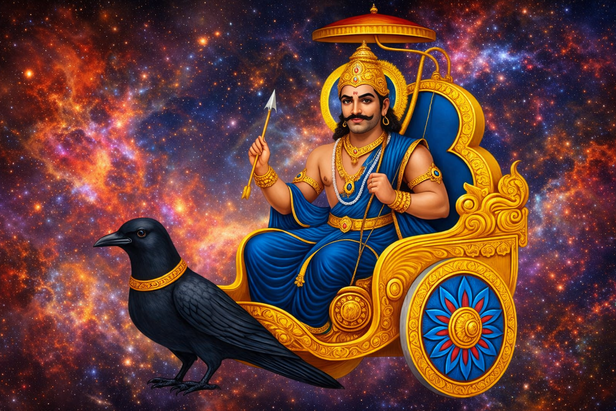
In many Hindu homes, prayer rooms shine with idols of Vishnu, Shiva, Lakshmi, and Ganesha. Yet one powerful deity is usually absent. Lord Shani, the god of karma and justice, is rarely placed inside the home. This absence is not a sign of disrespect. It reflects ancient mythological wisdom and lived spiritual experience. Scriptures explain that Shani’s energy is intense and meant to teach discipline, patience, and accountability, not comfort. Hindu tradition believes homes should remain spaces of peace and emotional balance. This belief explains why Lord Shani is worshipped with reverence but kept outside home shrines.
Lord Shani Represents Karma, Not Comfort
Lord Shani is known in Hindu belief as the god of karma, discipline, and justice. He does not offer quick rewards or easy forgiveness. His role is to deliver the results of past actions with balance and fairness. Homes are traditionally meant to provide peace, emotional safety, and harmony. Shani’s energy is firm, corrective, and deeply transformative. Ancient sages taught that such powerful energy should be approached with preparation and awareness. For this reason, people seek Lord Shani’s blessings in temples, where focus and discipline are strong, rather than placing his idol inside everyday living spaces.
The Curse of Shani’s Gaze
According to Hindu mythology, Lord Shani was once cursed by his wife after he ignored her while absorbed in deep meditation. This curse declared that anyone who came under his direct gaze would experience hardship and struggle. The story carries a deeper emotional meaning. It shows how neglected emotions can turn into suffering over time. Because of this belief, people avoid keeping Lord Shani’s idol at home. It is believed his powerful gaze could bring stress, illness, or challenges to the household. The lesson is not fear, but emotional balance and mindful awareness in spiritual life.
Why Homes Need Gentle Energy
Vastu Shastra teaches that idols kept at home should create peace, safety, and emotional balance. Deities such as Lakshmi and Ganesha represent prosperity, protection, and gentle blessings that support family harmony. Lord Shani, however, symbolizes karma, accountability, and life challenges. His energy is strong and corrective, meant to guide through discipline rather than comfort. Ancient wisdom suggests that homes are not designed to hold such demanding energy continuously. This belief aims to protect emotional well-being within families. Shani’s teachings are best absorbed through reflection, patience, and conscious action, not constant presence.
Worship Is Allowed, Idols Are Not
Hindu scriptures do not discourage devotion to Lord Shani. Chanting Shani mantras, performing aarti, and visiting temples are considered meaningful and beneficial. What tradition advises against is keeping his idol or image inside the home. This reflects a thoughtful and balanced approach to faith. Lord Shani represents discipline, karma, and responsibility, not fear. Mythology teaches that his lessons should guide daily actions rather than create constant anxiety. By honoring Shani through prayer and self-control, people learn patience and accountability while preserving peace and emotional harmony within the home.
The Saturn Yantra as a Gentle Remedy
Many people choose to keep a Saturn Yantra at home to reduce the effects of Sade Sati or Dhaiya. Unlike idols, yantras represent controlled and symbolic energy. They are installed only after proper rituals and expert guidance, reflecting a mature and thoughtful approach to astrology. This practice shows that Lord Shani is not meant to be feared, but understood. By respecting discipline and balance, people learn to work with Shani’s influence rather than resist it. The deeper lesson from tradition is harmony, where awareness replaces fear and wisdom guides spiritual growth.
Hindu Homes Follow One Special Rule
The absence of Lord Shani idols in homes reflects wisdom, not fear. Hindu mythology teaches that every divine energy has a proper place and purpose. Lord Shani represents justice, discipline, and truth, qualities that shape life through lived experience rather than comfort. Homes are meant to nurture peace, healing, and emotional balance. Shani’s lessons unfold through patience, responsibility, and right action over time. Ancient traditions understood that spirituality is about balance, not constant intensity. True devotion knows when to welcome gentle energies and when to bow respectfully from a distance, allowing growth to happen naturally.
Unlock insightful tips and inspiration on personal growth, productivity, and well-being. Stay motivated and updated with the latest at My Life XP.
Frequently Asked Questions (FAQs)
1. Why are Lord Shani idols usually not kept in homes?
Lord Shani represents justice, discipline, and karma. His energy is considered intense, so traditions advise worshipping him in temples rather than placing his idol in homes meant for peace and comfort.
2. Is keeping a Lord Shani idol at home considered bad?
It is not seen as bad or sinful. Scriptures suggest avoiding it to maintain emotional balance and harmony within the household.
3. Can Lord Shani still be worshipped without an idol?
Yes. Chanting mantras, performing aarti, fasting on Saturdays, and visiting Shani temples are accepted forms of devotion.
4. What does Lord Shani’s energy symbolize in mythology?
Lord Shani symbolizes truth, patience, responsibility, and the results of one’s actions. His role is to teach life lessons through experience.
5. Why is Lord Shani worshipped differently from other gods?
Unlike gods associated with comfort and blessings, Lord Shani focuses on correction and growth. This difference shapes how he is honored in daily spiritual practice.
6. What is the deeper spiritual lesson behind this belief?
The belief teaches balance. True spirituality understands when to invite soothing energies and when to learn quietly through discipline and self-awareness.