
Why Lord Shiva Personally Appeared Before Young Prince
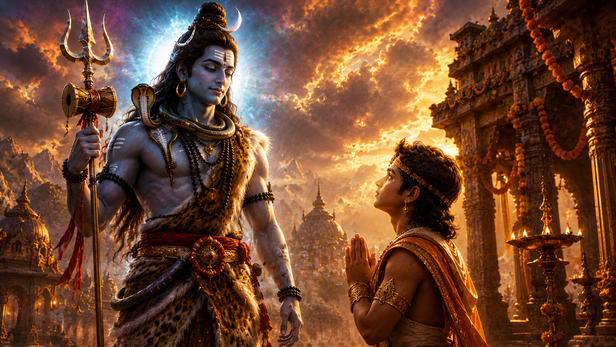
Sometimes, the greatest spiritual journeys don't begin with miracles they begin with a single question. Long before Lord Rama became the ideal king, defeated Ravana, or inspired millions through the Ramayana, he was simply a young prince eager to understand the world beyond the palace walls. During a journey with Sage Vishwamitra, one innocent question opened the door to a lifetime of spiritual wisdom. That question was simple: "Guruji, whose hut is this?" What followed wasn't just a lesson about Lord Shiva it became the foundation of the character that would one day make Rama worthy of meeting Mahadev Himself.
A Question That Opened the Door to Wisdom
Leaving the royal palace for the first time, young Rama entered a world far different from the comfort he had always known. While resting near a forest hermitage, he noticed a small hut and asked his guru, "Whose hut is this?" It was an innocent question, yet it became the beginning of a remarkable spiritual journey. Instead of giving a simple answer, Sage Vishwamitra introduced Rama to the deeper meaning of Lord Shiva's life and teachings.
Every Story of Shiva Became a Lesson for Rama
The sage spoke of Lord Shiva burning Kamadeva, drinking the deadly poison during Samudra Manthan, controlling the mighty Ganga in His matted locks, and blessing the birth of Kartikeya. These were not just divine stories. They carried powerful lessons about mastering desires, accepting responsibility, controlling immense power, and protecting the world before oneself. Rama listened carefully, absorbing each teaching not as mythology but as guidance for life.
True Strength Is Always Guided by Humility
When Rama arrived in Mithila, he encountered Lord Shiva's sacred bow. Countless powerful kings had tried to lift it using strength alone but failed. Rama approached the bow with humility rather than arrogance. He neither boasted nor sought glory. In the process of lifting it, the mighty bow broke, fulfilling destiny. The moment reminded everyone that true strength does not come from physical power it comes from humility guided by wisdom.
The Tests Did Not End With Victory
Breaking Shiva's bow was not the end of Rama's journey. It invited another challenge when Parashurama, one of Lord Shiva's greatest devotees, appeared in anger. This was not merely a confrontation of weapons but a test of character. Rama remained respectful, calm, and composed throughout the encounter. His humility dissolved conflict where pride could have created destruction, proving that greatness is measured by conduct as much as courage.
Every Battle Refined the Qualities Shiva Taught
As Rama's journey continued, he faced exile, separation, powerful enemies, and the great war against Ravana. Throughout every challenge, the values learned from Lord Shiva's stories remained visible. He controlled anger, respected allies, protected dharma, and placed duty above personal comfort. These trials were not simply battles for victory; they were opportunities to demonstrate that wisdom is meaningful only when practiced during life's most difficult moments.
When Shiva Himself Blessed Rama
Many devotional traditions describe Lord Shiva blessing Lord Rama after his victory over Ravana. Whether understood literally or symbolically, the message remains profound. Rama did not earn divine grace through power alone. He earned it through humility, compassion, self-control, and unwavering commitment to righteousness. His journey reminds us that the highest blessings often come after we remain true to our values despite life's greatest challenges.
The Journey Begins With a Willingness to Learn
The most inspiring part of Rama's journey is that it began with curiosity rather than certainty. One sincere question led to lifelong wisdom. Every lesson was accepted with humility, practiced through action, and strengthened through experience. This teaches us that spiritual growth does not begin with having all the answers. It begins with asking meaningful questions and remaining willing to learn from every experience life offers.
Unlock insightful tips and inspiration on personal growth, productivity, and well-being. Stay motivated and updated with the latest at My Life XP.
Frequently Asked Questions (FAQs)
1. Why is Lord Rama's question about the hut considered significant?
It marks the beginning of his spiritual learning under Sage Vishwamitra. That simple question opened the door to understanding Lord Shiva's teachings and their deeper meaning.
2. What lessons did Lord Rama learn from Lord Shiva's stories?
The stories teach self-control, sacrifice, humility, responsible use of power, compassion, and dedication to dharma.
3. Why was breaking Shiva's bow important?
Breaking the divine bow symbolized that true strength comes from humility and divine grace rather than pride or physical power alone.
4. Why did Parashurama challenge Lord Rama?
According to the Ramayana, Parashurama appeared after the breaking of Shiva's bow to test Rama's character, wisdom, and worthiness.
5. Did Lord Shiva personally bless Lord Rama?
Several devotional traditions describe Lord Shiva blessing Lord Rama after his victory over Ravana. Different versions of the Ramayana and later devotional literature present this event in different ways.