
Why LPG Shortages Could Affect PNG Users Too
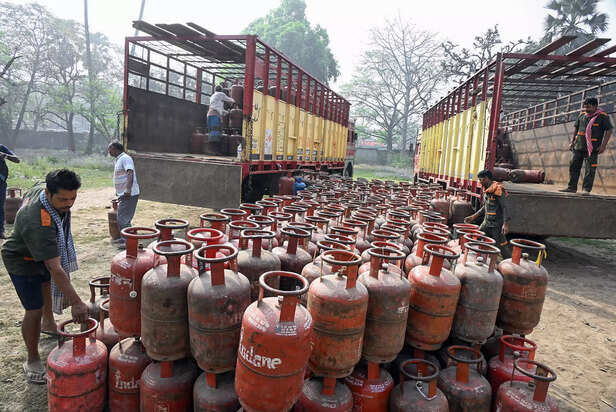
Cooking gas is something most households rarely think about until a shortage suddenly appears in the news. When discussions about Liquefied Petroleum Gas shortages begin, many people assume only cylinder users will be affected. But the reality is more complicated. In cities, millions of homes now rely on Piped Natural Gas instead of traditional cylinders. So the question naturally arises: can problems in LPG supply also affect piped gas users? Understanding the relationship between these two systems reveals how modern urban energy networks are deeply interconnected.
LPG and Piped Gas Are Not the Same
The key difference between Liquefied Petroleum Gas and Piped Natural Gas lies in how the fuel reaches your kitchen. LPG travels the traditional route stored in cylinders that must be booked, delivered, and replaced when empty. PNG works very differently. It flows silently through underground pipelines, providing a continuous supply of gas directly to homes. Instead of waiting for cylinder deliveries, households simply pay a monthly bill based on usage. This separate infrastructure means the two systems usually operate independently. So when LPG shortages make headlines, piped gas users often remain unaffected though rising demand can still create pressure on urban energy networks.
Can LPG Shortages Affect PNG Users?
In most situations, shortages of Liquefied Petroleum Gas do not directly interrupt the supply of Piped Natural Gas. The reason is simple: natural gas moves through a completely different pipeline network, separate from the cylinder distribution system. But the story does not end there. When LPG becomes difficult to book or refill, many households start searching for alternatives. In cities where piped gas connections are available, people often consider switching. This sudden surge in interest can increase demand quickly. While supply usually continues smoothly, the rising pressure can challenge local distribution networks in crowded urban areas.
Why Demand for Piped Gas Can Increase
When shortages of Liquefied Petroleum Gas begin to affect daily life, many households start exploring alternatives. One popular option is Piped Natural Gas, which offers a continuous supply through pipelines instead of cylinders. Restaurants, street food vendors, and small food businesses often consider switching during uncertain supply periods. In many urban housing societies, residents are also encouraged to adopt piped gas as a long-term solution. While this transition improves convenience and reliability, it also increases demand for new connections. In rapidly growing cities, the sudden rise in applications can create installation delays and put additional pressure on local gas distribution networks.
What Consumers Should Keep in Mind
For most homes using Piped Natural Gas, supply interruptions are uncommon. Yet energy experts say staying alert is still important. Sudden shifts in fuel demand or maintenance work can occasionally affect local networks. That is why consumers should regularly check updates from their gas distribution companies and ensure kitchen pipelines are properly maintained. Smart households also keep backup cooking options such as induction stoves or electric cooktops. These simple precautions can make a big difference during unexpected disruptions. In today’s interconnected energy system, a little preparation ensures your kitchen keeps running smoothly no matter what happens in the wider fuel market.
Safe Kitchen Gas Usage
The recent concerns around Liquefied Petroleum Gas shortages reveal an important reality about modern cities. Our energy systems are more connected than most people realize. Even though Piped Natural Gas runs through a separate pipeline network, sudden changes in fuel demand can still create ripple effects across the broader supply chain. As urban populations grow and kitchens depend heavily on a single energy source, even small disruptions can quickly become a concern. This is why awareness and preparation matter. In today’s interconnected world, something as routine as cooking gas quietly reflects the complexity of the entire global energy network.
Unlock insightful tips and inspiration on personal growth, productivity, and well-being. Stay motivated and updated with the latest at My Life XP.
Frequently Asked Questions (FAQs)
1. What is the difference between Liquefied Petroleum Gas and Piped Natural Gas?
LPG is supplied in cylinders that households must book and replace regularly. PNG, however, is delivered directly to homes through underground pipelines, providing a continuous supply and monthly billing based on usage.
2. Can LPG shortages stop piped gas supply?
In most cases, no. PNG uses natural gas that travels through a separate distribution network. However, LPG shortages may increase demand for piped gas in some cities.
3. Why might PNG demand increase during an LPG crisis?
When LPG cylinders become difficult to obtain, households, restaurants, and small businesses may consider switching to piped gas connections if they are available.
4. Are piped gas supply interruptions common?
Supply interruptions for PNG are generally rare. However, maintenance work or sudden demand spikes in large cities can occasionally cause temporary disruptions.
5. What precautions should gas users take?
Consumers should follow safe kitchen practices, maintain gas pipelines regularly, and consider alternative cooking options such as induction stoves during unexpected fuel disruptions.