
Why Nepal Suddenly Wants Britain's Help Against India After 210 Years
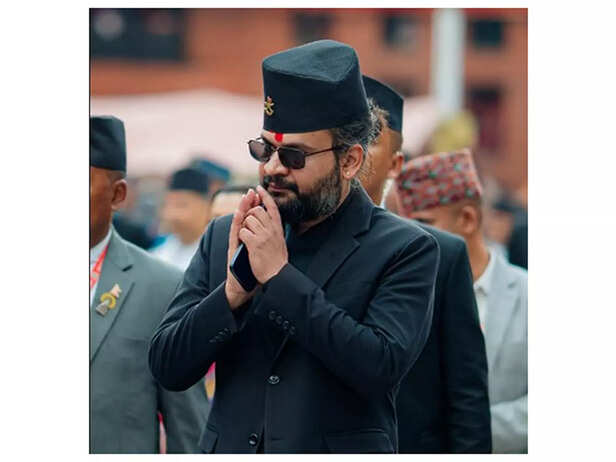
A border dispute that has existed for more than two centuries is once again making headlines and this time, it is because of an unexpected statement from Nepal's Prime Minister, Balen Shah. During a parliamentary discussion on the long-running Kalapani, Lipulekh, and Limpiyadhura dispute with India, Shah made remarks that shocked political observers and sparked an immediate backlash at home. Even more surprising was his suggestion that the United Kingdom could help address the issue, citing the 1816 Treaty of Sugauli signed during British rule in the region.
Why One Statement Changed The Entire Debate
A border discussion in Nepal's Parliament took an unexpected turn when Prime Minister Balen Shah suggested that Nepal may also be occupying territory claimed by India. The statement instantly drew attention because it challenged a long-standing narrative followed by most political parties in Nepal. Traditionally, leaders have accused India of encroaching on Nepali land, making Shah's comments highly unusual. Within hours, opposition leaders, experts, and former diplomats began questioning his position. The controversy became so intense that Nepal's Ministry of Foreign Affairs later issued a clarification, highlighting how sensitive the issue remains for both countries.
The Border Dispute That Refuses To Disappear
The dispute revolves around the strategically important regions of Kalapani, Lipulekh, and Limpiyadhura. Nepal claims these areas belong to it based on historical maps and interpretations of the 1816 Treaty of Sugauli. India, however, maintains its own position regarding the border alignment. Over the years, the disagreement has repeatedly resurfaced, often becoming a major political issue. While diplomatic talks have continued, neither side has reached a final resolution. The latest controversy has once again brought these remote Himalayan territories into the spotlight, attracting attention far beyond Nepal's borders.
Why Britain Suddenly Entered The Conversation
The most surprising part of Balen Shah's statement was his suggestion that the United Kingdom should take interest in the matter. According to him, the roots of the dispute go back to the era when India was under British rule. Since the Treaty of Sugauli was signed between Nepal and the East India Company in 1816, he argued that Britain could help facilitate discussions. This idea immediately sparked debate. Critics accused him of attempting to internationalize a bilateral issue, while supporters argued that historical context cannot be ignored when discussing modern borders.
The Maps Nepal Believes Tell A Different Story
Nepalese experts frequently point to historical maps prepared by British surveyors during the nineteenth century. According to their interpretation, several maps published between 1819 and 1879 indicate that Kalapani, Lipulekh, and Limpiyadhura fall within Nepal's territory. These documents have become a key pillar of Nepal's argument. Officials and researchers believe that historical evidence strengthens their case in international discussions. However, experts also acknowledge that interpreting centuries-old maps is complex, especially when modern geopolitical realities and changing administrative boundaries are taken into account.
Why Critics Were Quick To Push Back
Many political figures and border experts in Nepal strongly disagreed with Balen Shah's suggestion that Nepal may be occupying land claimed by India. They argued that there is a clear distinction between shared use of border regions by local communities and actual territorial encroachment. Former officials stressed that historical evidence supports Nepal's claims rather than India's. Critics feared that such remarks could weaken Nepal's diplomatic position at a time when border issues remain unresolved. As the debate intensified, the controversy became as much about domestic politics as it was about geography.
The Bigger Question Facing India And Nepal
Beyond the political headlines lies a larger challenge. India and Nepal share deep cultural, economic, and historical ties that extend far beyond border disputes. While disagreements over territory continue to surface, both nations have consistently emphasized dialogue and diplomacy as the preferred solution. Experts believe that lasting progress will require careful negotiations, mutual trust, and a willingness to address historical grievances without escalating tensions. The latest controversy serves as a reminder that unresolved border questions can quickly become political flashpoints, even between two close neighbors.
A Comment That Opened An Old Wound
Prime Minister Balen Shah's remarks have done more than create a temporary political controversy. They have reopened a centuries-old debate involving history, sovereignty, and national identity. By mentioning Britain's possible role and questioning established narratives, he transformed a routine parliamentary discussion into an international talking point. Whether his comments ultimately influence future negotiations remains uncertain. What is clear, however, is that the Kalapani-Lipulekh-Limpiyadhura dispute continues to shape relations between India and Nepal, proving that even a 210-year-old treaty can still spark headlines in the modern era.
Unlock insightful tips and inspiration on personal growth, productivity, and well-being. Stay motivated and updated with the latest at My Life XP.
Frequently Asked Questions (FAQs)
1. Why is Nepal's Prime Minister Balen Shah in the news?
Balen Shah sparked controversy after suggesting in Parliament that Nepal may also be occupying territory claimed by India. He also proposed that the United Kingdom could help address the long-running border dispute.
2. What is the India-Nepal border dispute about?
The dispute mainly concerns the regions of Kalapani, Lipulekh, and Limpiyadhura, areas claimed by both India and Nepal due to differing interpretations of historical boundaries.
3. What is the Treaty of Sugauli?
The Treaty of Sugauli was signed in 1816 between Nepal and the East India Company after the Anglo-Nepalese War. It defined Nepal's borders and remains central to today's territorial debate.
4. Why did Balen Shah mention Britain?
Shah argued that since the border issue originated during British rule in India, the United Kingdom should take interest in helping facilitate dialogue and understand the historical context of the dispute.
5. Why were Balen Shah's remarks controversial?
Many politicians, diplomats, and border experts in Nepal disagreed with his suggestion that Nepal may be occupying Indian territory. Critics feared the statement could weaken Nepal's long-standing position on the dispute.