Why No Blood Falls in This Ancient Devi Temple
Noopur Kumari | Sat, 18 Apr 2026
Nestled in the hills of Kaimur, the Mundeshwari Devi Temple carries a powerful blend of faith, mystery, and ancient tradition. Known for its unique “ahimsa bali” ritual, it is believed that devotion here is expressed without violence, symbolizing surrender rather than sacrifice. Over time, this practice has been both revered and misunderstood, creating stories that travel far beyond its walls. Yet at its core, the temple teaches a deeper truth true worship is not about harm or offerings, but about purity of intention, compassion, and the transformation of the human heart through faith.

Mundeshwari Temple Ritual
Image credit : ChatGPT(AI)
Some stories sound impossible until you hear them from generations who live them. In the hills of Kaimur lies a temple surrounded by mystery, faith, and a ritual that confuses outsiders the belief of “ahimsa bali,” a sacrifice where no blood is shed. Devotees say prayers are answered here, yet the offering transforms into a symbolic act of surrender rather than violence. This temple is not just a place of worship; it is a question to our understanding of devotion, belief, and compassion.
![The Silent Offering Ritual”]()
In this temple tradition, the act of sacrifice is not about harm but about faith and surrender. According to belief, the ritual represents letting go of ego and desires rather than taking life. Devotees perform prayers with deep respect, symbolizing transformation rather than destruction. This practice teaches that devotion is not measured in physical offerings but in intention. It shifts focus from violence to inner purity, making spirituality more about consciousness than action. The essence lies in understanding not harming.
![“When Faith Is Misinterpreted”]()
Over time, parts of the ritual have been misunderstood by some visitors and outsiders. Instead of grasping its symbolic meaning, a few interpret it literally and act outside the temple in ways that contradict its core message. This creates confusion between tradition and misunderstanding. The original teaching, however, remains centered on non-violence and compassion. It reminds us that spirituality can lose meaning when seen without context, and faith should never become an excuse for harm.
The deeper teaching of this temple is simple yet powerful: divinity does not demand violence. Instead, it calls for surrender, humility, and kindness. The ritual becomes a mirror reflecting human intention rather than physical action. It encourages believers to replace aggression with understanding and ego with devotion. In this way, the temple becomes less about sacrifice and more about transformation of the self into something calmer, purer, and more aware.
In today’s world, where conflict often replaces calm, this tradition holds a timeless reminder. True spirituality is not about external display but internal change. Whether one believes in rituals or not, the message remains universal life should be guided by compassion, not harm. The temple stands as a symbol that faith is strongest when it protects life rather than taking it. It teaches balance between belief and responsibility.
At its heart, this temple is not about what is offered but what is understood. It challenges people to look beyond action and see intention. Real devotion, as the tradition suggests, is silent, thoughtful, At its core, this temple is not defined by what is physically offered, but by what is spiritually understood. It invites every visitor to look beyond outward rituals and focus on the deeper intention behind them. True devotion, as reflected in this tradition, is quiet, mindful, and deeply respectful toward all forms of life. It is not about dramatic actions, but about inner transformation and awareness. Perhaps the real miracle is not the ritual itself, but the shift it creates within the human heart the lasting realization that faith is most powerful when it leads to compassion, balance, and understanding.d that hears it.
Unlock insightful tips and inspiration on personal growth, productivity, and well-being. Stay motivated and updated with the latest at My Life XP.
Q1: Where is Mundeshwari Devi Temple located?
It is located in the Kaimur district of Bihar, India, on a scenic hilltop.
Q2: What is special about this temple?
It is known for its ancient traditions and the belief of “ahimsa bali,” where devotion is expressed without harming life.
Q3: Is animal sacrifice really performed here?
Traditions are often interpreted differently, but the core message of the temple emphasizes non-violence, symbolism, and devotion rather than harm.
Q4: Why is this temple famous?
Its unique rituals, historical importance, and spiritual significance make it one of the oldest and most talked-about temples in India.
Q5: What is the main message of this temple?
The temple teaches that true devotion is rooted in intention, compassion, and respect for all living beings
The Unusual Ritual of Ahimsa Bali
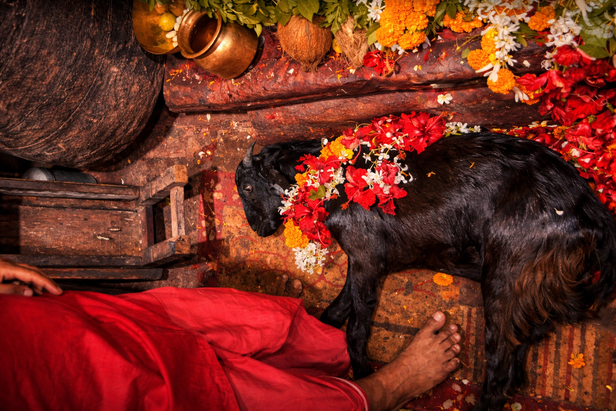
The Silent Offering Ritual”
Image credit : ChatGPT(aI
In this temple tradition, the act of sacrifice is not about harm but about faith and surrender. According to belief, the ritual represents letting go of ego and desires rather than taking life. Devotees perform prayers with deep respect, symbolizing transformation rather than destruction. This practice teaches that devotion is not measured in physical offerings but in intention. It shifts focus from violence to inner purity, making spirituality more about consciousness than action. The essence lies in understanding not harming.
The Misunderstanding That Spread Outside
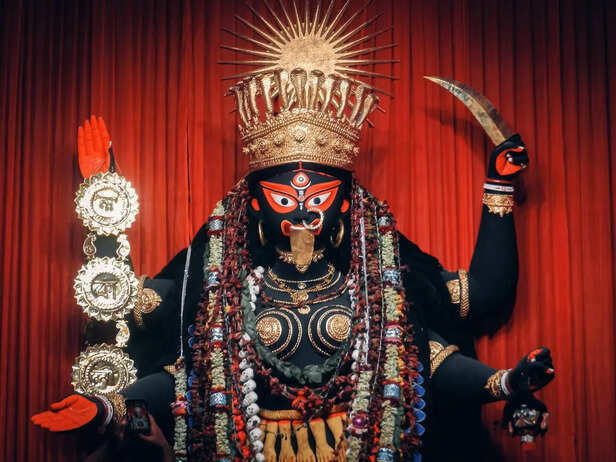
“When Faith Is Misinterpreted”
Image credit : Pexels
Over time, parts of the ritual have been misunderstood by some visitors and outsiders. Instead of grasping its symbolic meaning, a few interpret it literally and act outside the temple in ways that contradict its core message. This creates confusion between tradition and misunderstanding. The original teaching, however, remains centered on non-violence and compassion. It reminds us that spirituality can lose meaning when seen without context, and faith should never become an excuse for harm.
The Real Message Behind the Temple
What This Temple Teaches Us Today
Faith Beyond Rituals
Unlock insightful tips and inspiration on personal growth, productivity, and well-being. Stay motivated and updated with the latest at My Life XP.
Frequently Asked Questions (FAQs)
It is located in the Kaimur district of Bihar, India, on a scenic hilltop.
Q2: What is special about this temple?
It is known for its ancient traditions and the belief of “ahimsa bali,” where devotion is expressed without harming life.
Q3: Is animal sacrifice really performed here?
Traditions are often interpreted differently, but the core message of the temple emphasizes non-violence, symbolism, and devotion rather than harm.
Q4: Why is this temple famous?
Its unique rituals, historical importance, and spiritual significance make it one of the oldest and most talked-about temples in India.
Q5: What is the main message of this temple?
The temple teaches that true devotion is rooted in intention, compassion, and respect for all living beings