
Why No God Can Escape This Hidden Universal Law
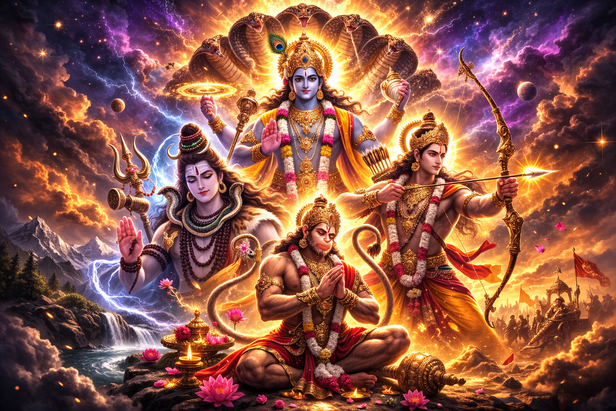
याद दिलाता है। ईश्वर भी नियमों से बंधे हैं और सत्य से बड़ा कोई देव नहीं।”
Imagine a god so powerful, he created the universe but his temples are almost empty today. What happened that the Creator himself was removed from the devotion of mankind? This story is more than mythology; it is a lesson in truth, pride, and cosmic law. Hidden behind blessings and curses lies a message that even gods cannot escape follow the truth, or face consequences.
The Curse That Changed Devotion Forever
यदि सत्य का त्याग किया जाए, तो पूजा न होगी।
One of the strangest paradoxes in Hindu tradition is this: the creator of the universe is almost absent from temples. Why would the architect of existence be rarely worshiped? The story shocks many. When Savitri arrived late to a sacred yajna and found Gayatri beside Brahma, a moment of anger changed divine history. But the deeper truth is unsettling even gods are bound by cosmic order. Power could not protect Brahma from consequence. Scriptures still honor him as the creator, yet temples remain rare. The message is bold and timeless: truth and dharma stand above every throne even a god’s.
When Pride Led to Cosmic Dispute
अहंकार के कारण सत्य का त्याग विनाश लाता है।
What if even the creator of the universe could not escape the consequences of a single lie? When Brahma and Vishnu argued over supremacy, Brahma claimed he had witnessed the end of Shiva’s infinite form. But the truth was different. Shiva saw through the deception and declared: जिसने सत्य को त्यागा, उसका नाम पृथ्वी पर वंदनीय नहीं होगा। Here’s the unsettling truth: divine power does not override universal law. In fact, the higher the position, the harsher the consequence. This story flips a common belief gods are not above truth. The deeper lesson? Ego blinds, truth restores, and even the greatest must bow to it.
Truth Above All: A Divine Lesson
सत्य से बड़ा कोई देव नहीं।”
Here’s the unsettling truth many overlook: even divine power bows before truth. Brahma the creator of the universe has temples so rare that millions pass their lives without ever seeing one. Coincidence? Or a silent reminder from the cosmos? Ancient wisdom suggests something deeper: devotion without truth loses its meaning. Power, status, even divinity none can outrun the law of honesty. This flips a common belief: worship alone doesn’t make something sacred; truth does. The universe operates on this invisible rule. Ignore it, and even greatness fades. Understand it, and you discover a secret sages believed truth isn’t just moral. it’s cosmic authority.
Hidden Wisdom in Brahma’s Absence
सत्य का पालन ही सच्चे जीवन का मार्ग है।”
Here’s a truth most people overlook: the creator of the universe, Brahma, is honored in knowledge but rarely worshiped in temples. Why would a civilization revere creation yet step back from its creator? The answer is unsettling. Ancient wisdom quietly reminds us that power without truth loses its sacred authority. Brahma lives in the Vedas, in every act of creation, yet his absence from daily worship sends a bold signal: rituals alone are not enough. The universe values integrity more than status. Break that balance, and even greatness fades. The real question is are we honoring truth, or just performing devotion?
Lessons We Can Apply Today
ईश्वर भी नियमों से बंधे हैं, हमें भी पालन करना चाहिए।”
What if the biggest myth we believe is that power makes someone untouchable? Ancient wisdom says the opposite. Even the highest creator is bound by cosmic law. That’s the unsettling truth hidden in Brahma’s story. One small lapse ego, delay, or ignoring truth can echo for eternity. Success doesn’t protect anyone from consequences. In fact, the greater the power, the stricter the rule. This flips everything we assume about authority and divinity. The real lesson is startlingly simple: honor truth, respect time, and stay humble. Because legacy isn’t built by power alone it’s protected by integrity. And the universe never ignores broken principles.
Unlock insightful tips and inspiration on personal growth, productivity, and well-being. Stay motivated and updated with the latest at My Life XP.
Frequently Asked Questions (FAQs)
1. Why is Brahma rarely worshiped in temples?
According to many Puranic traditions, the Creator’s story carries a deeper message: even divine beings must follow universal laws. His limited temple worship reminds devotees that truth, humility, and discipline are greater than status or power.
2. What lesson does Brahma’s story teach humans?
The central teaching is simple yet powerful: “सत्य से बड़ा कोई देव नहीं।” Truth and integrity guide the universe. When humans respect commitments, avoid ego, and act with honesty, life itself becomes a sacred path.
3. Are there any temples dedicated to Brahma today?
Yes. The most famous temple devoted to Brahma is the Brahma Temple, one of the rare places where devotees still worship the Creator.
4. Why does this story emphasize that even gods follow rules?
Ancient scriptures highlight that cosmic order (dharma) governs everyone humans and gods alike. This idea reinforces the belief that the universe operates on truth, balance, and moral responsibility.
5. What practical message should people take from this story today?
Live truthfully, respect time and commitments, and remain humble. The story reminds us that power alone doesn’t define greatness—character does. When we follow these principles, everyday life becomes a form of worship.