
Why North Indian Weddings Happen at Night (Shocking Truth)
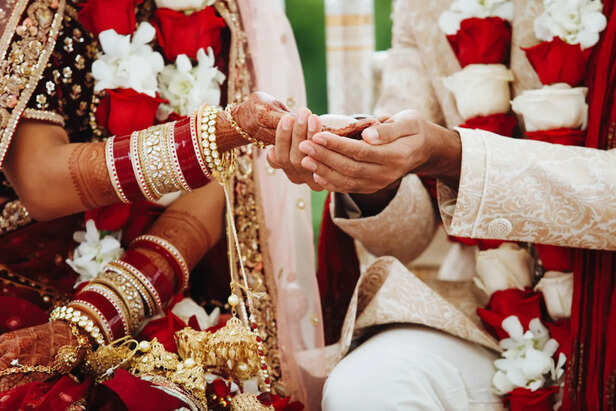
Have you ever wondered why most North Indian weddings take place late at night, while South Indian weddings happen early in the morning? It looks like a simple cultural difference, but there’s a deeper story behind it. This timing is not just about preference it is connected to history, fear, and survival. There was a time when safety was uncertain, and people had to adapt to protect their families. Traditions were shaped not by choice, but by necessity. And once you understand this hidden reason, you will never see Indian wedding rituals the same way again.
When Weddings Became a Matter of Survival
In ancient North India, weddings were not always grand celebrations. During periods of invasions, especially in medieval times, safety became a serious concern. Families feared attacks on wedding processions, theft, or even abduction of the bride. To avoid attention, ceremonies shifted to nighttime. Darkness became a shield. What started as a protective measure slowly turned into a habit. Over generations, people forgot the original reason, but continued the practice. Today, night weddings feel normal, but their roots lie in a time when survival mattered more than celebration.
The Fear That Shaped a Tradition
In those uncertain times, large gatherings were risky. A wedding meant music, lights, and crowds easy targets for invaders. Families had no choice but to adapt. Night offered secrecy and reduced visibility. It was not about preference, but protection. This fear silently shaped a cultural pattern that continues even today. Many people follow night wedding traditions without knowing this background. It shows how deeply history can influence lifestyle choices. What once protected lives is now seen as a normal custom, disconnected from its original purpose.
The South Indian Contrast
In South India, the situation was different. The regions were relatively more stable, allowing traditions to stay closer to Vedic principles. According to these beliefs, daytime especially morning is the most auspicious time for विवाह. Sunlight represents purity, clarity, and divine energy. Rituals performed in daylight are believed to receive stronger blessings. That’s why South Indian weddings are simple, spiritual, and often held early in the morning. This contrast shows how geography and history together shape traditions in completely different ways.
What Vedic Tradition Actually Says
Vedic traditions emphasize harmony with nature. Morning and midday are considered ideal for important rituals because of positive energy flow. देवताओं का समय दिन में सक्रिय माना जाता है। This is why many ancient texts recommend conducting marriages during daylight hours. Nighttime is generally associated with rest and stillness, not major life ceremonies. Over time, practical challenges changed these practices in some regions. But the original guidance remains clear aligning rituals with natural cycles enhances their spiritual significance and overall impact.
What This Means for You Today
Today, weddings are more about convenience, venues, and trends. But understanding the “why” behind traditions gives them deeper meaning. Whether it’s day or night, the intention matters more than timing. However, knowing that night weddings came from survival not spirituality can shift your perspective. It allows you to make conscious choices instead of blindly following customs. Traditions are powerful, but awareness makes them meaningful. When you understand the story behind them, you connect not just with culture but with its truth.
Unlock insightful tips and inspiration on personal growth, productivity, and well-being. Stay motivated and updated with the latest at My Life XP.
Frequently Asked Questions (FAQs)
1. Why do most North Indian weddings happen at night?
Historically, night weddings became common in North India for safety reasons. During periods of invasions, large daytime gatherings were risky, so ceremonies shifted to nighttime for protection. Over time, this became a tradition.
2. Are night weddings part of Vedic tradition?
Not originally. Vedic traditions generally recommend performing important rituals like marriage during the day, especially in the morning, when the environment is considered more pure and positive.
3. Why are South Indian weddings held in the morning?
South Indian traditions stayed closer to Vedic practices. Morning time is believed to carry positive energy and divine blessings, making it the most auspicious time for weddings.
4. Is one timing more “correct” than the other?
Not necessarily. Both are now cultural practices. What matters most is the intention, rituals, and values behind the marriage, rather than the exact timing.
5. Do people still follow these traditions for the same reasons today?
Mostly no. Today, factors like venue availability, convenience, and modern lifestyle influence wedding timing more than historical reasons.