
Why PM Modi Wants India to Host the Olympics
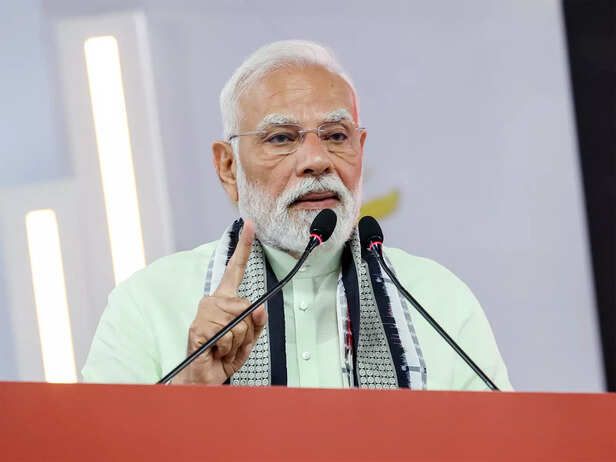
India is no longer dreaming small. During his visit to the Netherlands, Prime Minister Narendra Modi revealed four ambitions that could completely reshape India’s future. From hosting the Olympics to building semiconductor chips inside the country, the message was clear India wants to become a global powerhouse. But what surprised many people was not just the scale of these ambitions. It was the confidence behind them. For years, India was seen as a developing nation trying to catch up. Now, the country is openly talking about leading the world in technology, manufacturing, renewable energy, and global growth. And this vision may change the lives of millions of Indians in ways nobody expected.
A New Olympic Dream For India
For decades, Indians watched countries like China, Japan, and the UK use the Olympics to boost their global image. Now India wants its turn. PM Modi openly pushed India’s ambition to host the Olympics, likely in 2036, during his Netherlands speech. But this is not only about sports. Hosting the Olympics could transform infrastructure, tourism, jobs, and global recognition. Modi also highlighted sports partnerships with the Netherlands, especially in hockey and cricket. The message was subtle but powerful India no longer wants to participate in global events. It wants to lead them.
The Semiconductor Mission Nobody Expected
One small chip controls modern life phones, cars, laptops, satellites, even defence systems. For years, India depended heavily on foreign countries for semiconductors. PM Modi revealed that 12 semiconductor plants are already under development, while production has started in two facilities. That announcement quietly signaled one of India’s biggest economic shifts in decades. If successful, India could reduce dependence on global supply chains and attract massive investments. The phrase “Designed in India” and “Made in India” was not just a slogan during the speech. It sounded like a warning that India is preparing for a much larger role in the technology race.
The Green Energy Push Changing India’s Future
The world is struggling with energy crises, climate pressure, and rising fuel costs. India sees an opportunity inside that chaos. Modi stressed that India wants to become a global green power hub through renewable energy expansion. India has already become one of the world’s largest renewable energy producers, with huge solar parks and clean energy investments growing rapidly. But the real twist is geopolitical. Clean energy is now linked with global influence and trusted supply chains. India and the Netherlands are working together on secure and transparent trade systems, showing that renewable energy is no longer only environmental it is strategic power.
India Wants To Become The World’s Growth Engine
At a time when many economies are slowing down because of wars, inflation, and supply chain disruptions, India is presenting itself differently. PM Modi said India wants to become a key engine of global economic growth. That statement carried a deeper meaning. India is no longer speaking like a country seeking opportunities. It is speaking like a country preparing to create them. With one of the world’s youngest populations, a booming startup ecosystem, and rapid digital expansion, India is positioning itself as the next major growth center. The confidence seen during the Netherlands speech reflected a nation thinking much bigger than before.
The Real Message Hidden Behind Modi’s Speech
Many people focused only on the headlines Olympics, semiconductors, renewable energy. But the real story was deeper. PM Modi’s speech reflected a massive mindset shift inside India. The country is moving from survival thinking to leadership thinking. Every ambition mentioned during the Netherlands visit connects to one larger goal making India impossible for the world to ignore. Whether through technology, sports, energy, or economic influence, India wants a stronger global voice. And for millions of young Indians listening to that speech, the message felt personal. The future India talks about may arrive much faster than anyone expected.
Unlock insightful tips and inspiration on personal growth, productivity, and well-being. Stay motivated and updated with the latest at My Life XP.
Frequently Asked Questions (FAQs)
1. Why did PM Modi visit the Netherlands?
Prime Minister Narendra Modi visited the Netherlands to strengthen cooperation in areas like semiconductors, renewable energy, defence, technology, and trade as part of his Europe tour.
2. What are the four major ambitions PM Modi announced?
PM Modi highlighted four key goals for India:
- Hosting the Olympics
- Becoming a global manufacturing hub
- Leading in green energy
- Driving global economic growth
3. Why does India want to host the Olympics?
India believes hosting the Olympics could improve sports infrastructure, boost tourism, create jobs, and increase the country’s global influence, especially with a possible bid for the 2036 Olympics.
4. What did PM Modi say about semiconductors?
PM Modi revealed that India is working on 12 semiconductor plants and production has already started at two facilities. The goal is to make chips “Designed in India” and “Made in India.”
5. Why are semiconductors important for India?
Semiconductors are used in smartphones, cars, AI systems, satellites, and defence technology. Building chips in India can reduce dependence on foreign countries and strengthen India’s technology sector.