Why Saraswati Chooses Silence Over Popularity
Deepika Kataria | Wed, 31 Dec 2025
Goddess Saraswati represents wisdom, learning, and disciplined speech yet she remains silent and withdrawn from popularity. This article explores why true knowledge avoids noise, how silence protects depth, and why wisdom rarely seeks validation. Through mythology and psychology, Saraswati’s quiet presence reveals the hidden power of restraint, clarity, and inner authority.

In a world that rewards visibility, noise, and constant self-expression, silence is often mistaken for weakness. Popularity is equated with relevance. The louder the voice, the more powerful it is assumed to be. Yet Hindu mythology offers a striking counterpoint to this belief through the figure of Goddess Saraswati.
Saraswati is the goddess of wisdom, learning, speech, and creativity. If any deity had reason to dominate attention, command crowds, or demand devotion through spectacle, it would be her.
And yet, Saraswati remains one of the quietest presences in mythology. She does not arrive with thunder or destruction. She does not promise wealth or protection. She does not perform miracles to win followers. Instead, she sits in stillness, holding a veena, immersed in thought.
Her silence is not absence. It is intention.
![Saraswati and the Veena]() Unlike gods who demonstrate power through action or conquest, Saraswati’s influence is internal. Knowledge does not announce itself. Wisdom does not compete for attention. Understanding grows in silence, not applause.
Unlike gods who demonstrate power through action or conquest, Saraswati’s influence is internal. Knowledge does not announce itself. Wisdom does not compete for attention. Understanding grows in silence, not applause.
Saraswati governs speech, but she does not speak excessively. This paradox is essential. True mastery of language comes from restraint, not abundance. Words carry weight only when they are chosen carefully.
A mind trained by Saraswati learns when to speak and, more importantly, when not to.
Popularity thrives on repetition and emotional stimulation. Wisdom thrives on precision and depth. Saraswati aligns herself with the latter. She does not seek crowds because crowds respond to emotion, not understanding.
In mythology, Saraswati is often depicted wearing white, symbolizing purity and clarity. White contains all colors, yet reflects none. This symbolism mirrors her silence. Silence is not emptiness; it is a filter. It removes noise so truth can surface.
In modern life, constant expression has replaced contemplation.
Opinions are shared before they are formed. Reactions are broadcast before reflection occurs. Saraswati’s silence stands in direct opposition to this impulse. She represents the discipline of thought before speech.
A silent mind can observe. A noisy mind can only react.
![Wisdom Beyond Crowds]() Popularity depends on agreement. It demands simplicity, relatability, and emotional immediacy. Depth, on the other hand, often creates discomfort. It asks difficult questions. It challenges assumptions. It requires effort.
Popularity depends on agreement. It demands simplicity, relatability, and emotional immediacy. Depth, on the other hand, often creates discomfort. It asks difficult questions. It challenges assumptions. It requires effort.
Saraswati governs learning, not entertainment. Learning is slow. It is often lonely. It requires admitting ignorance. These qualities do not translate well into mass appeal. Therefore, wisdom rarely becomes popular.
This is why Saraswati is not worshipped with the same desperation as Lakshmi or Durga. Wealth and power promise immediate rewards. Knowledge promises long-term transformation, which requires patience and responsibility.
Saraswati’s veena is not a loud instrument. It produces sound only when strings are balanced and tuned. Too much tension breaks the string. Too little produces no music.
This is a metaphor for expression. Silence and sound must coexist. Saraswati does not eliminate speech; she disciplines it. Her music emerges from stillness. Without silence, sound becomes noise.
In psychological terms, this represents emotional regulation. A person governed by Saraswati does not speak to dominate or impress. They speak to clarify, to illuminate, to resolve.
![Saraswati and the Veena of Knowledge]() Modern culture often turns knowledge into performance. Credentials become identity. Intelligence becomes branding. Opinions become content. Saraswati resists this commodification.
Modern culture often turns knowledge into performance. Credentials become identity. Intelligence becomes branding. Opinions become content. Saraswati resists this commodification.
She does not reward those who display knowledge loudly. She rewards those who internalize it deeply. This is why true scholars often appear unassuming. Their confidence comes from understanding, not validation.
Silence protects wisdom from dilution. When knowledge is constantly expressed for approval, it loses its integrity. Saraswati chooses silence to preserve truth.
There is an uncomfortable truth embedded in Saraswati’s imagery: wisdom isolates before it integrates. Learning often separates individuals from familiar patterns of thought. Growth creates distance from comforting illusions.
This is why Saraswati is often depicted alone or with a few devoted seekers rather than crowds. Her path is not popular because it is demanding. It asks individuals to confront their limitations.
Silence becomes a companion on this path. It creates space for insight to emerge. Popularity fills that space with affirmation, leaving no room for transformation.
Speech has consequences. Words can manipulate, harm, mislead, or inflame. Saraswati’s silence reflects ethical restraint. Not every truth needs to be spoken. Not every thought deserves expression.
Wisdom includes discernment. Knowing when silence serves better than speech is a sign of maturity. Saraswati embodies this restraint, reminding us that responsibility accompanies knowledge.
In a world where speech is free but consequences are often ignored, Saraswati’s silence becomes a moral stance.
![Wisdom Before Words]() Today, algorithms reward visibility, outrage, and constant engagement. Silence is penalized. Depth is overshadowed by virality. Yet the consequences are evident: anxiety, misinformation, and intellectual exhaustion.
Today, algorithms reward visibility, outrage, and constant engagement. Silence is penalized. Depth is overshadowed by virality. Yet the consequences are evident: anxiety, misinformation, and intellectual exhaustion.
Saraswati’s silence offers an antidote. It invites a return to thoughtful learning, disciplined speech, and internal authority. She reminds us that relevance does not come from being seen, but from being grounded.
Those who align with Saraswati may not trend, but they endure.
Saraswati is the goddess of wisdom, learning, speech, and creativity. If any deity had reason to dominate attention, command crowds, or demand devotion through spectacle, it would be her.
And yet, Saraswati remains one of the quietest presences in mythology. She does not arrive with thunder or destruction. She does not promise wealth or protection. She does not perform miracles to win followers. Instead, she sits in stillness, holding a veena, immersed in thought.
Her silence is not absence. It is intention.
Saraswati’s Power Is Not Performative
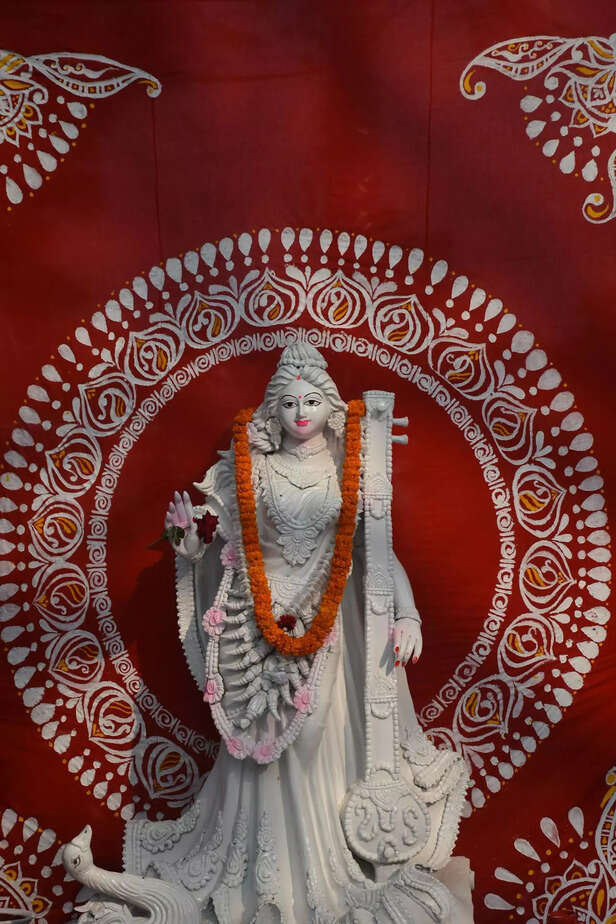
Saraswati and the Veena
Image credit : Pexels
Saraswati governs speech, but she does not speak excessively. This paradox is essential. True mastery of language comes from restraint, not abundance. Words carry weight only when they are chosen carefully.
A mind trained by Saraswati learns when to speak and, more importantly, when not to.
Popularity thrives on repetition and emotional stimulation. Wisdom thrives on precision and depth. Saraswati aligns herself with the latter. She does not seek crowds because crowds respond to emotion, not understanding.
Silence as a Filter, Not a Void
In modern life, constant expression has replaced contemplation.
Opinions are shared before they are formed. Reactions are broadcast before reflection occurs. Saraswati’s silence stands in direct opposition to this impulse. She represents the discipline of thought before speech.
A silent mind can observe. A noisy mind can only react.
Why Popularity Rejects Depth
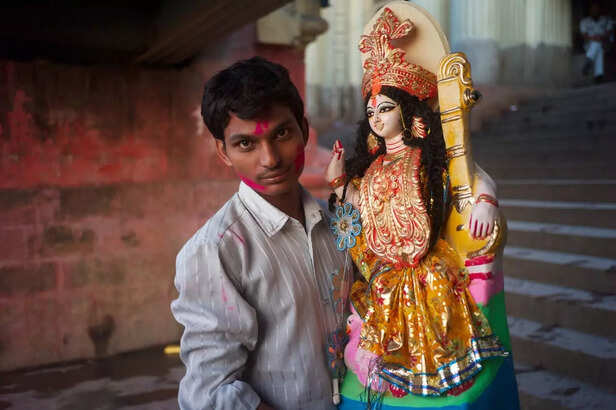
Wisdom Beyond Crowds
Image credit : Pexels
Saraswati governs learning, not entertainment. Learning is slow. It is often lonely. It requires admitting ignorance. These qualities do not translate well into mass appeal. Therefore, wisdom rarely becomes popular.
This is why Saraswati is not worshipped with the same desperation as Lakshmi or Durga. Wealth and power promise immediate rewards. Knowledge promises long-term transformation, which requires patience and responsibility.
The Veena: Harmony, Not Volume
This is a metaphor for expression. Silence and sound must coexist. Saraswati does not eliminate speech; she disciplines it. Her music emerges from stillness. Without silence, sound becomes noise.
In psychological terms, this represents emotional regulation. A person governed by Saraswati does not speak to dominate or impress. They speak to clarify, to illuminate, to resolve.
Knowledge Is Not Meant to Perform

Saraswati and the Veena of Knowledge
Image credit : Pexels
She does not reward those who display knowledge loudly. She rewards those who internalize it deeply. This is why true scholars often appear unassuming. Their confidence comes from understanding, not validation.
Silence protects wisdom from dilution. When knowledge is constantly expressed for approval, it loses its integrity. Saraswati chooses silence to preserve truth.
The Loneliness of Wisdom
This is why Saraswati is often depicted alone or with a few devoted seekers rather than crowds. Her path is not popular because it is demanding. It asks individuals to confront their limitations.
Silence becomes a companion on this path. It creates space for insight to emerge. Popularity fills that space with affirmation, leaving no room for transformation.
Silence as Ethical Discipline
Wisdom includes discernment. Knowing when silence serves better than speech is a sign of maturity. Saraswati embodies this restraint, reminding us that responsibility accompanies knowledge.
In a world where speech is free but consequences are often ignored, Saraswati’s silence becomes a moral stance.
The Modern Relevance of Saraswati’s Choice

Wisdom Before Words
Image credit : Pexels
Saraswati’s silence offers an antidote. It invites a return to thoughtful learning, disciplined speech, and internal authority. She reminds us that relevance does not come from being seen, but from being grounded.
Those who align with Saraswati may not trend, but they endure.