
Why Shashi Tharoor Suddenly Praised Modi’s Maldives Move
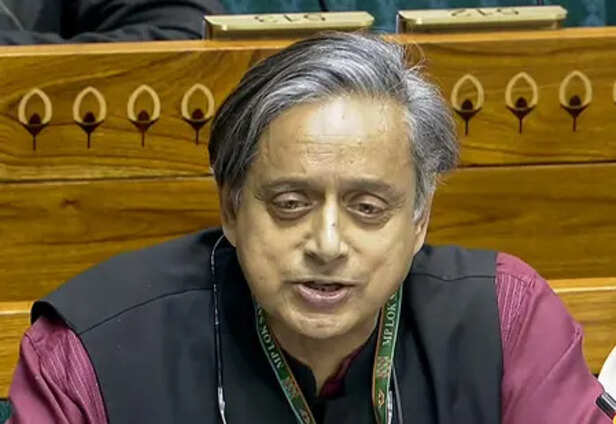
Diplomacy is often imagined as loud speeches, tense negotiations, and political power games. But sometimes, the strongest message is delivered without demanding anything in return. That is exactly what happened between India and the Maldives. At a time when relations were strained and political slogans openly targeted India, one unexpected crisis changed everything. Instead of reacting with anger or pressure, India chose a quieter path one that surprised critics and reshaped regional trust. Even Congress leader Shashi Tharoor acknowledged that this response showed how real diplomacy works when emotions, politics, and national interest collide.
A Campaign That Changed Regional Politics
When Mohamed Muizzu rose to power with the slogan “India Out,” many believed the relationship between the two neighbours had entered a dangerous phase. Indian-backed infrastructure projects faced uncertainty, political rhetoric became sharper, and public conversations turned tense on social media. The situation worsened after controversial comments against Prime Minister Narendra Modi triggered online outrage in India. Many people expected a diplomatic confrontation to follow. Instead, India remained unusually calm. That silence confused critics at first, but it later became one of the most important reasons why relations eventually improved rather than collapsing completely.
The Water Crisis Nobody Expected
Just months after tensions escalated, the Maldives suddenly faced a major emergency. The desalination plant supplying drinking water to Male broke down, leaving thousands of people struggling for basic survival needs. The timing was politically sensitive, and many wondered how India would react after facing repeated criticism from the new Maldivian government. But instead of using the crisis for political leverage, India quickly sent millions of litres of bottled water and emergency support. There were no conditions, threats, or demands attached. That unexpected gesture quietly changed the emotional tone of the relationship more effectively than political statements ever could.
Why This Gesture Changed Everything
Diplomacy usually operates through strategy, negotiations, and influence. But humanitarian support often creates a deeper emotional impact because it feels personal and immediate. India’s response during the Maldives crisis showed that relationships between neighbouring countries are not built only on agreements or military partnerships. They are built on reliability during difficult moments. That is why the gesture stood out globally. Even political opponents in India, including Shashi Tharoor, publicly acknowledged the importance of this approach. The real power of the move was not in the water itself, but in the message it silently delivered — trust matters more than temporary political hostility.
The Silent Strategy Behind India’s Response
India’s approach reflected a larger diplomatic strategy that focuses on patience and long-term influence. Reacting emotionally to political criticism could have pushed the Maldives further away. Instead, India chose consistency, development cooperation, and humanitarian outreach. This strategy slowly reopened communication channels even during difficult political moments. Over time, the tone changed dramatically. During PM Modi’s later visit to the Maldives, both countries discussed defence, trade, healthcare, infrastructure, and maritime security cooperation. The biggest surprise came when President Muizzu himself described India as the Maldives’ “closest and most trusted partner,” something very few expected during the earlier tensions.
What This Story Reveals About Modern Diplomacy
The story between India and the Maldives reveals something important about modern diplomacy. In today’s world, public anger spreads quickly online, but trust is still built through actions during moments of crisis. Countries remember who stood beside them when situations became difficult. India understood that reacting with patience could create stronger influence than reacting with pressure. That is why this episode became more than just a regional political story. It became an example of how soft power, humanitarian help, and strategic calm can quietly reshape international relationships in ways loud political messaging often cannot achieve.
India Maldives Leaders Meeting
The biggest surprise in the India-Maldives story was not the political tension it was how quickly trust returned after one humanitarian gesture. At a time when slogans and controversies dominated headlines, India chose compassion over confrontation. That decision changed the emotional direction of the relationship. What started as an “India Out” phase slowly transformed into renewed cooperation and public acknowledgment of trust. Shashi Tharoor’s remarks highlighted an uncomfortable but powerful truth about diplomacy: sometimes the strongest countries are not the ones that react loudly, but the ones that help quietly when it matters most.
Unlock insightful tips and inspiration on personal growth, productivity, and well-being. Stay motivated and updated with the latest at My Life XP.
Frequently Asked Questions (FAQs)
1. Why did Shashi Tharoor praise the Modi government?
Shashi Tharoor praised the Modi government for handling relations with the Maldives through humanitarian support and calm diplomacy during a difficult political phase.
2. What was the “India Out” campaign in Maldives?
The “India Out” campaign was a political movement led by Mohamed Muizzu that called for reducing India’s influence in the Maldives, including the withdrawal of Indian military personnel.
3. What caused the Maldives water crisis?
The crisis began after the desalination plant in Male, which supplied drinking water to the capital, reportedly broke down, creating an emergency situation for residents.
4. How did India help the Maldives during the crisis?
India immediately sent millions of litres of bottled drinking water and emergency assistance without placing political conditions or demands on the Maldives government.
5. Why is India-Maldives diplomacy important?
India and Maldives share strategic importance in the Indian Ocean region, especially in defence, maritime security, trade, tourism, and regional stability.
6. Did relations between India and Maldives improve later?
Yes. Relations improved gradually through diplomatic engagement, development cooperation, and high-level meetings between leaders of both countries.