
Why Shiva Loves the Broken More Than the Perfect
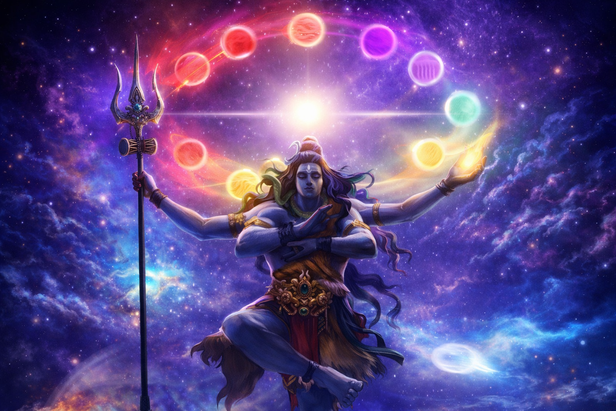
In many traditions, God is imagined as distant and royal. But Shiva is different. He wears ashes, not gold. He lives on Mount Kailasa, not in luxury. He drinks poison to save the universe. His personality breaks every standard of worldly perfection. This is why millions feel close to him. You do not need status, beauty, or achievements to reach Shiva. You only need sincerity. Hindu scriptures like the Shiva Purana describe him as Bholenath, the innocent lord who melts quickly with pure devotion. Let us explore five spiritual reasons why Shiva loves the broken more than the perfect.
Broken Ego Invites Grace
Perfection can quietly strengthen ego, while brokenness often softens it. Shiva is known as the destroyer of pride and illusion, guiding souls beyond false identity. When life humbles a person, the heart becomes more open and receptive to divine presence. Ego builds walls between the individual and the sacred, but humility creates closeness. Those who feel wounded or imperfect often turn to Shiva with sincere surrender. That honesty becomes a powerful form of prayer. In spiritual understanding, surrender is not weakness. It is strength rooted in trust, and it invites grace more deeply than superiority ever can.
Shiva Lives With the Outcasts
Unlike earthly kings who surround themselves with royalty and status, Shiva is described in the Shiva Purana as dwelling among spirits, ascetics, and those rejected by society. This imagery carries deep spiritual meaning. It teaches that divine love is unconditional and not limited by social position or external perfection. Those who feel broken or unworthy often believe they are distant from God. Shiva’s symbolism assures the opposite. His presence in cremation grounds reminds us that wealth, beauty, and titles fade away. In his vision, every soul is equal, sacred, and deserving of compassion.
Pain Creates Transformation
During the Samudra Manthan described in the Shiva Purana, Shiva consumed the deadly poison to save creation and became known as Neelkanth. This sacred act represents the power of transformation through suffering. Shiva is not distant from pain. He absorbs it and turns it into protection. Devotees believe that wounds are not signs of weakness but stages of inner growth. Hardship deepens awareness and strengthens character. Broken experiences often awaken spiritual insight. Shiva’s presence reminds us that suffering, when faced with courage and faith, can become a source of wisdom, resilience, and profound inner strength.
Simplicity Over Show
Shiva is known for valuing simplicity over display. He is easily pleased with pure water, sacred ash, or a humble bilva leaf offered with faith. Scriptures like the Shiva Purana describe him as Bholenath, the innocent lord who responds to sincere devotion. Outer perfection often seeks praise, but true devotion seeks connection. Shiva looks at intention, not decoration. A prayer spoken from a wounded yet honest heart carries more power than a flawless ritual performed without feeling. In his presence, authenticity matters more than appearance, and humility opens the door to divine grace.
Destruction Leads to Renewal
In Hindu philosophy, Shiva is known as the destroyer within the divine trinity, yet destruction does not mean harm. It signifies renewal and transformation. When something in life falls apart, it may be creating space for new growth and deeper understanding. Shiva’s sacred Tandava dance symbolizes the eternal rhythm of endings and beginnings. What appears as loss can become the foundation for strength and wisdom. Broken phases are not the end of the story. They prepare the soul for a fresh chapter. Shiva’s grace helps rebuild life with stronger faith, clearer purpose, and renewed spiritual awareness.
Shiva performing Tandava
Shiva does not measure worth by perfection. He responds to truth, humility, and surrender. Brokenness removes ego, deepens compassion, and opens the heart to grace. In the world, perfection is praised. In spirituality, authenticity is powerful. Shiva’s mythology teaches that wounds can become wisdom. Ashes can become awakening. Endings can become beginnings. If you feel imperfect, remember this. You may be closer to Shiva than you think.
Unlock insightful tips and inspiration on personal growth, productivity, and well-being. Stay motivated and updated with the latest at My Life XP.
Frequently Asked Questions (FAQs)
1. Why is Lord Shiva called the destroyer?
In Hindu belief, Shiva is part of the divine trinity responsible for creation, preservation, and transformation. His role as destroyer does not mean cruelty. It represents the removal of negativity, ego, and illusion so that renewal and growth can begin. Destruction in this sense is purification.
2. Does Shiva really love broken people more?
Spiritually, Shiva is believed to respond to sincerity rather than outer perfection. Those who feel broken often approach him with humility and honesty. Devotion without ego is considered powerful in Shaivism traditions.
3. What does Shiva’s Tandava dance symbolize?
The Tandava represents cosmic cycles of creation and dissolution. It teaches that endings are natural and necessary for new beginnings. Life constantly moves through change and renewal.
4. Why does Shiva live in cremation grounds?
Symbolically, cremation grounds represent detachment from worldly pride and material identity. Shiva’s presence there shows that he is beyond social status and external beauty.
5. How can I feel closer to Lord Shiva?
Simple devotion, meditation, chanting his name, and living with honesty and compassion are traditional ways to connect spiritually with Shiva.