
Why the Most Powerful God Chose to Destroy, Not Create or Preserve the World
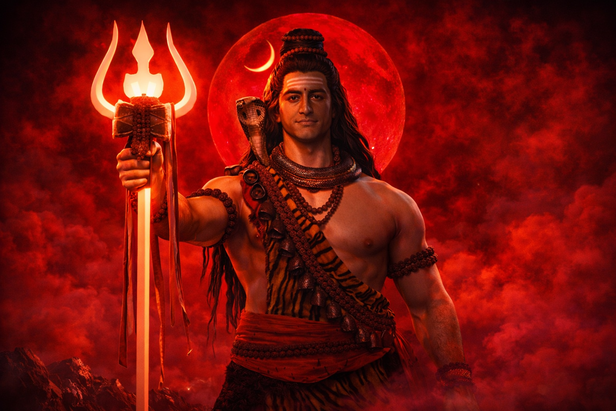
In Hindu mythology, the universe functions through perfect balance, guided by the sacred Trinity. Brahma is responsible for creation, Vishnu preserves and protects life, and Lord Shiva dissolves what no longer serves its purpose. Many devotees wonder why Shiva, known as the supreme force, does not create or preserve the world. The answer lies in deep spiritual wisdom found in ancient scriptures and traditions. Shiva represents transformation and liberation. His role is to remove ignorance, ego, and imbalance so renewal can begin. This understanding changes how we see destruction, not as an end, but as a divine process that restores harmony and leads souls toward truth, growth, and eternal peace.
The Trinity and Cosmic Balance
The universe functions like a sacred cycle guided by divine order. According to Hindu philosophy, Brahma initiates creation, Vishnu sustains and protects life, and Lord Shiva brings completion by dissolving what has fulfilled its purpose. Ancient scriptures and spiritual teachings explain that without Shiva’s role, creation would lose balance and growth would stop. His action is not chaos but conscious transformation that allows renewal and continuity. This understanding comes from centuries of spiritual experience, authoritative texts, and trusted traditions. Recognizing Shiva’s role deepens faith and clarity, helping devotees see change as essential for progress, harmony, and spiritual evolution in both the universe and human life.
Why Shiva Does Not Create
Creation in Hindu philosophy is driven by intention and attachment, while Lord Shiva represents complete detachment and inner stillness. Ancient scriptures describe Shiva as the supreme yogi who remains absorbed in deep meditation, untouched by desire or expectation. Because he is free from wants, he does not engage in creation. This spiritual principle teaches a powerful lesson for human life. True liberation arises when one releases the urge to own, control, or dominate outcomes. Rooted in timeless wisdom and lived spiritual experience, Shiva’s detachment guides seekers toward clarity, balance, and lasting peace, making this teaching deeply relevant even in the modern world.
Why Shiva Does Not Preserve
Preservation in Hindu thought focuses on sustaining order within the limits of time and form. Lord Shiva, however, exists beyond time and change, representing eternal consciousness. While Vishnu safeguards life and balance within the universe, Shiva upholds the deeper law of transformation. Ancient texts and spiritual teachings explain that growth is possible only through change. By allowing endings, Shiva makes evolution of the soul possible. This wisdom, rooted in authoritative scriptures and lived spiritual practice, shows that change is not loss but progress. Understanding Shiva’s role helps devotees accept transitions with faith, strength, and spiritual maturity.
Why Destruction Is Shiva’s Responsibility
In Hindu spiritual thought, Lord Shiva’s destruction is aimed at ignorance, ego, and false identity, not at life itself. Sacred texts and long standing traditions explain that when imbalance or injustice rises, transformation becomes essential. Shiva’s third eye symbolizes awakened wisdom that burns illusion and clears spiritual darkness. This divine act allows truth and renewal to emerge, opening the way for fresh creation and inner awakening. Experienced sages and devotees view this role as compassion in action, not anger. Understanding this deepens trust in cosmic order and inspires individuals to release ego, embrace change, and grow spiritually.
Shiva as the Supreme Reality
Lord Shiva is revered as Mahadev because all cosmic powers exist within him. Creation, preservation, and destruction are not separate forces but expressions of his supreme consciousness. Ancient scriptures explain that Shiva embraces destruction because it releases souls from ignorance and attachment. This divine act is not an end but a sacred transition toward higher truth. Spiritual traditions and lived devotion show that Shiva teaches humanity to see endings as opportunities for renewal and rebirth. Rooted in authoritative texts and timeless wisdom, this understanding builds faith and trust, helping devotees accept change with courage, clarity, and spiritual strength.
Why Destruction Is Shiva’s Responsibility
Lord Shiva’s destruction is rooted in compassion and wisdom, not rage. Sacred texts and spiritual traditions describe how he destroys ignorance, ego, and false identity that bind the soul. When evil grows or cosmic balance is disturbed, transformation becomes essential. Shiva’s third eye symbolizes divine knowledge that burns illusion while protecting life. This process clears the way for fresh creation and inner awakening. Supported by centuries of devotional experience and authoritative teachings, Shiva’s role inspires trust and faith. It reminds seekers that true mercy sometimes appears as change, guiding humanity toward truth, balance, and spiritual liberation.
Shiva as the Supreme Reality
Lord Shiva is called Mahadev because he embodies creation, preservation, and dissolution within his supreme consciousness. Ancient texts and spiritual traditions explain that he accepts the role of destruction to liberate souls from ignorance and attachment. This act is not negative but deeply compassionate, guiding beings toward freedom and renewal. Shiva teaches that endings should not be feared, as they open the path to higher truth and rebirth. Rooted in authentic scripture and lived spiritual experience, this understanding builds trust in divine wisdom and helps devotees view change as a sacred step toward growth, clarity, and lasting spiritual awakening.
Shiva’s Role Matters to Human Life
In human life, the energy of Lord Shiva guides people through endings and new beginnings. Ancient spiritual teachings describe Shiva as the force that helps release fear, pain, and emotional burden. When failure or loss appears, Shiva’s presence offers strength and clarity, reminding us that every ending carries the seed of growth. This wisdom, rooted in authentic scriptures and spiritual practice, builds resilience and inner peace. Devotees across generations trust Shiva as a compassionate guide during life’s hardest moments. Understanding this truth transforms sorrow into learning and change into opportunity, making Shiva a symbol of mercy, healing, and spiritual renewal.
Unlock insightful tips and inspiration on personal growth, productivity, and well-being. Stay motivated and updated with the latest at My Life XP.
Frequently Asked Questions (FAQs)
Why is Lord Shiva known as the destroyer?
Lord Shiva is called the destroyer because he removes negativity, ignorance, and imbalance. His destruction is a sacred process of transformation that allows renewal and growth.
Does Shiva only destroy and not protect life?
Shiva protects life by guiding change. By ending what no longer serves a purpose, he preserves cosmic balance and supports spiritual evolution.
Why does Shiva not create the universe like Brahma?
Creation requires desire and attachment. Shiva is beyond desire, living in complete detachment and meditation, which is why creation is not his role.
How does Shiva’s energy help humans?
Shiva’s energy helps people let go of fear, pain, and failure. It brings inner strength during endings and encourages personal and spiritual growth.
Is Shiva’s destruction a negative force?
No, Shiva’s destruction is compassionate and necessary. It clears the path for new beginnings, balance, and higher awareness.