Why These 3 Indian Ornaments Mean More Than You Think
Noopur Kumari | Jun 29, 2026, 18:00 IST
A nose ring isn't just a bridal ornament. Anklets aren't worn only for their musical sound. Toe rings aren't simply symbols of marriage. Each carries centuries of culture, symbolism, and traditional beliefs that connect women with their heritage. Although some health-related claims associated with these ornaments are rooted in traditional practices rather than proven medical science, their cultural importance remains stronger than ever. Here's the fascinating story behind India's most meaningful jewellery.

At first glance, a nose ring, a pair of anklets, or a toe ring may look like beautiful pieces of jewellery. But in Indian culture, they tell stories that have survived for centuries. These ornaments are more than fashion they represent identity, marriage, family traditions, and spiritual beliefs. While modern lifestyles have changed the way people wear them, the meaning behind these timeless ornaments continues to fascinate generations. So why have Indian women treasured them for hundreds of years? The answer is far deeper than most people realise.
![Traditional Indian Bride Wearing a Nath]()
The nose ring, or nath, has long been admired for its beauty, but its meaning goes much deeper. Across India, it represents grace, celebration, and family traditions. Brides often wear elaborate nose rings during weddings as a symbol of a new beginning. Traditional Ayurvedic beliefs associate piercing the left nostril with women's reproductive health, although modern medicine has not confirmed these claims. Today, many women proudly wear nose rings as both a fashion statement and a tribute to their cultural roots.
![Silver Anklets Reflect India's Timeless Traditions]()
The soft sound of silver anklets, known as payal, has echoed through Indian homes for centuries. Traditionally, their gentle chime announced a woman's arrival and reflected respect within the household. Silver is preferred because gold is considered sacred and traditionally not worn below the waist. Some traditional beliefs also suggest that anklets may help stimulate circulation through gentle movement, although there is no strong scientific evidence supporting this. Today, anklets beautifully blend heritage with contemporary fashion.
Toe rings, known as bichiya, are among the strongest symbols of marriage in Indian culture. Given to brides during wedding ceremonies, they represent commitment, responsibility, and a new chapter in life. Traditional beliefs suggest that wearing silver toe rings may gently stimulate nerves connected with women's reproductive health, though modern medical science has not established this connection. Regardless of these beliefs, toe rings continue to symbolise love, family values, and cultural identity for millions of married women.
The Science, Tradition and Belief Behind Them
Many traditional explanations behind these ornaments are rooted in Ayurveda and centuries-old customs rather than scientific research. While beliefs about childbirth, fertility, or improved circulation continue to be respected in many families, researchers have not found strong medical evidence supporting these effects. Their true strength lies in the emotional and cultural values they represent. They remind us that traditions often survive because they create a sense of belonging, identity, and continuity across generations.
Why Modern Women Still Choose Them
Modern women wear these ornaments for many different reasons. Some proudly celebrate their heritage, while others simply appreciate their elegant designs. A simple nose pin, delicate anklet, or minimalist toe ring effortlessly blends with both traditional and western outfits. Social media, fashion trends, and celebrity influence have also brought these ornaments back into everyday style. What was once seen only at weddings has now become a symbol of individuality and cultural confidence.
Many of these ornaments are passed from mothers and grandmothers to daughters, carrying memories that go far beyond precious metals. Every piece tells a story of weddings, festivals, blessings, and family traditions. They become emotional heirlooms that preserve history inside every household. Even when designs change with time, the feelings attached to them remain unchanged. This emotional connection is what keeps these traditions alive in modern India.
Nose rings, anklets, and toe rings are far more than decorative accessories. They reflect centuries of customs, beliefs, relationships, and cultural identity. Whether worn for tradition, faith, family, or fashion, each ornament continues to preserve a unique chapter of India's heritage. Their beauty lies not only in their design but also in the stories they carry. In a rapidly changing world, these timeless traditions continue to remind us that even the smallest ornaments can hold the greatest meaning.
Unlock insightful tips and inspiration on personal growth, productivity, and well-being. Stay motivated and updated with the latest at My Life XP.
1. Why do Indian women wear nose rings?
Indian women wear nose rings, or nath, as a symbol of beauty, tradition, and cultural identity. In many communities, they are also associated with marriage and special celebrations. Some traditional Ayurvedic beliefs link nose piercing to women's reproductive health, although modern medical science has not strongly confirmed these claims.
2. Why are anklets important in Indian culture?
Anklets, known as payal, symbolise grace, femininity, and tradition. Their gentle sound was once believed to announce a woman's arrival respectfully within the household. Today, they remain a popular accessory that combines cultural heritage with modern fashion.
3. Why do married Indian women wear toe rings?
Toe rings, called bichiya, are traditionally worn by married Hindu women as a symbol of marriage, commitment, and a new phase of life. They are usually gifted during the wedding ceremony and worn on the second toe of both feet.
4. Do nose rings, anklets, and toe rings have health benefits?
Traditional Indian and Ayurvedic beliefs associate these ornaments with benefits such as improved reproductive health, better circulation, and overall well-being. However, there is limited scientific evidence to support these claims, so they are best understood as cultural beliefs rather than medically proven facts.
5. Why are anklets and toe rings usually made of silver instead of gold?
According to Indian traditions, gold is considered sacred and is generally not worn below the waist. Silver is believed to represent purity and is therefore commonly used for anklets and toe rings.
The Nose Ring That Carries More Than Beauty

Traditional Indian Bride Wearing a Nath
The nose ring, or nath, has long been admired for its beauty, but its meaning goes much deeper. Across India, it represents grace, celebration, and family traditions. Brides often wear elaborate nose rings during weddings as a symbol of a new beginning. Traditional Ayurvedic beliefs associate piercing the left nostril with women's reproductive health, although modern medicine has not confirmed these claims. Today, many women proudly wear nose rings as both a fashion statement and a tribute to their cultural roots.
Why Anklets Speak Without Words
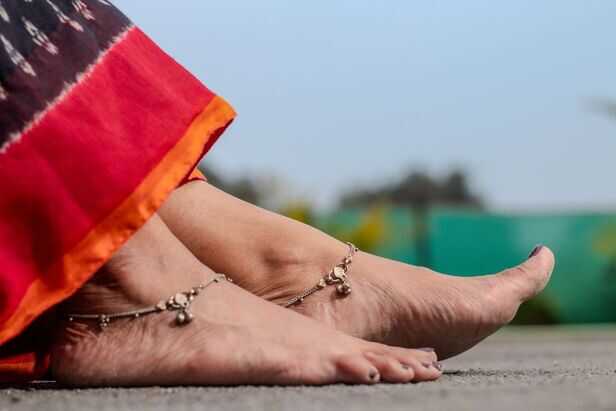
Silver Anklets Reflect India's Timeless Traditions
The soft sound of silver anklets, known as payal, has echoed through Indian homes for centuries. Traditionally, their gentle chime announced a woman's arrival and reflected respect within the household. Silver is preferred because gold is considered sacred and traditionally not worn below the waist. Some traditional beliefs also suggest that anklets may help stimulate circulation through gentle movement, although there is no strong scientific evidence supporting this. Today, anklets beautifully blend heritage with contemporary fashion.
The Toe Ring That Marks a New Journey
The Science, Tradition and Belief Behind Them
Why Modern Women Still Choose Them
Jewellery That Connects Generations
More Than Ornaments, They Tell India's Story
Unlock insightful tips and inspiration on personal growth, productivity, and well-being. Stay motivated and updated with the latest at My Life XP.
Frequently Asked Questions (FAQs)
Indian women wear nose rings, or nath, as a symbol of beauty, tradition, and cultural identity. In many communities, they are also associated with marriage and special celebrations. Some traditional Ayurvedic beliefs link nose piercing to women's reproductive health, although modern medical science has not strongly confirmed these claims.
2. Why are anklets important in Indian culture?
Anklets, known as payal, symbolise grace, femininity, and tradition. Their gentle sound was once believed to announce a woman's arrival respectfully within the household. Today, they remain a popular accessory that combines cultural heritage with modern fashion.
3. Why do married Indian women wear toe rings?
Toe rings, called bichiya, are traditionally worn by married Hindu women as a symbol of marriage, commitment, and a new phase of life. They are usually gifted during the wedding ceremony and worn on the second toe of both feet.
4. Do nose rings, anklets, and toe rings have health benefits?
Traditional Indian and Ayurvedic beliefs associate these ornaments with benefits such as improved reproductive health, better circulation, and overall well-being. However, there is limited scientific evidence to support these claims, so they are best understood as cultural beliefs rather than medically proven facts.
5. Why are anklets and toe rings usually made of silver instead of gold?
According to Indian traditions, gold is considered sacred and is generally not worn below the waist. Silver is believed to represent purity and is therefore commonly used for anklets and toe rings.