
Why These New Amrit Bharat Trains Matter More
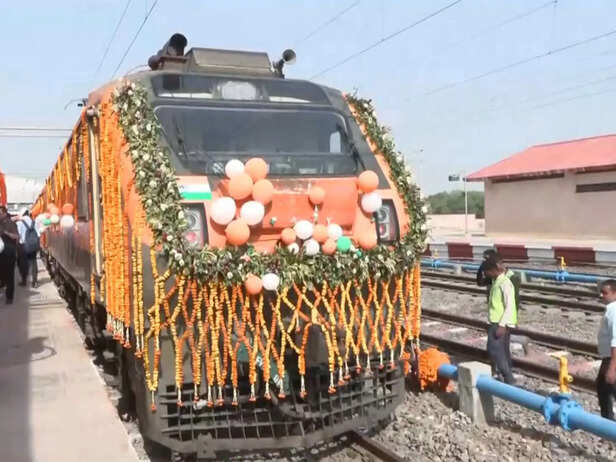
What if traveling across states became easier, cheaper, and more connected than ever before? For millions, long-distance journeys are not just about reaching a destination they carry emotions, responsibilities, and dreams. Whether it’s work in a new city, visiting family, or seeking spiritual peace, every journey matters Now, something has changed. With a single decision, two new train routes have quietly transformed how people travel between key cities. These routes are not just about convenience they bring comfort, affordability, and stronger connections. The impact may seem small at first, but for everyday travelers, it is a meaningful step toward a smoother, more connected India.
A LAUNCH THAT CHANGES CONNECTIONS
When Narendra Modi flagged off two new Amrit Bharat Express trains, it marked more than just a railway event. It connected major regions like Uttar Pradesh and Maharashtra in a stronger way. These routes link spiritual destinations with economic centres, making travel smoother for workers, pilgrims, and families. It reflects a growing focus on connectivity, where distance is no longer a barrier but a bridge between opportunities and emotions.
THE ROUTES THAT MATTER MOST
The two key routes Varanasi to Pune and Ayodhya to Mumbai are carefully chosen. These are not random connections. They link places of devotion like Kashi and Ayodhya with cities full of jobs and opportunities. For migrants, students, and devotees, this means fewer travel struggles. It is about making journeys more direct, reducing complexity, and giving people a reliable way to stay connected with both their roots and their future.
TIME, DISTANCE, AND REALITY
The Varanasi to Pune train covers around 1710 km in about 32 hours, while the Ayodhya to Mumbai route spans 1507 km in roughly 28 hours. These are long journeys, but now more structured and accessible. With multiple stops across important stations, these trains are designed to serve a wide range of passengers. It is not just about speed it is about consistent, affordable travel that reaches more people along the way.
BUILT FOR EVERYDAY TRAVELERS
Each Amrit Bharat Express train includes 22 coaches, with a strong focus on general and sleeper classes. This design choice matters. It shows that the trains are built for the common traveler, not just premium passengers. With pantry cars and essential facilities, the journey becomes more comfortable without becoming expensive. This balance between cost and comfort is what makes these trains practical for millions who depend on railways every day.
A BIGGER SHIFT IN INDIA’S RAIL STORY
With these additions, the number of Amrit Bharat Express services has grown significantly. But the bigger story is about direction. Railways are evolving to meet modern needs faster connections, better reach, and inclusive travel. These trains are especially important for migrant communities who travel frequently between states. They are not just passengers they are the backbone of the economy. Improving their journeys means improving lives across regions.
Unlock insightful tips and inspiration on personal growth, productivity, and well-being. Stay motivated and updated with the latest at My Life XP.
Frequently Asked Questions (FAQs)
1. What are the new Amrit Bharat Express routes?
The new routes connect Varanasi to Pune and Ayodhya to Mumbai. These routes link major religious and economic centers, making long-distance travel more direct and accessible.
2. Who flagged off these new trains?
The trains were flagged off by Narendra Modi as part of efforts to improve connectivity and provide affordable travel options.
3. What is special about Amrit Bharat Express trains?
Amrit Bharat Express trains are designed for common passengers, offering more general and sleeper coaches, affordable fares, and essential facilities for long-distance comfort.
4. How long do these journeys take?
The Varanasi to Pune route takes around 32 hours, while Ayodhya to Mumbai takes about 28 hours.