Why This Common Habit Is Disrespecting the God
Noopur Kumari | Thu, 16 Apr 2026
Devotion doesn’t disappear it slowly changes shape. What starts as deep faith can quietly turn into unconscious disrespect when actions no longer match belief. We say something is sacred, yet treat it casually in daily life. That’s the hidden gap most people never notice. Small habits placing, using, discarding are silently redefining what worship means. The uncomfortable truth? It’s not about intention, it’s about awareness. But here’s the shift when you become mindful, even the smallest actions can restore dignity, turning ordinary devotion back into something truly meaningful and powerful.

Disrespecting God
Image credit : ChatGPT (AI)
It doesn’t look wrong at first. A small photo of God on a keychain. A calendar on the wall. A sticker on a bike. A printed image on a cup. It feels like devotion. But pause for a second and look closer. Are we really showing respect, or have these symbols slowly become just everyday objects we stop noticing? The line between devotion and habit can blur without us realizing it. What once felt sacred can turn ordinary over time. This reflection is uncomfortable, but it is important, because awareness is the first step toward restoring true meaning and respect in our actions.
![God Photo on Everyday Objects]()
We grow up seeing God everywhere on walls, in shops, on vehicles, in homes. It feels normal. Over time, devotion becomes routine, not intention. We stop thinking about how we treat these representations. A photo becomes just another object. A symbol becomes background. The problem is not faith it’s the loss of awareness. When something sacred becomes ordinary, respect slowly fades. Not because we don’t care, but because we stopped paying attention.
![Religious Images in Neglected Places]()
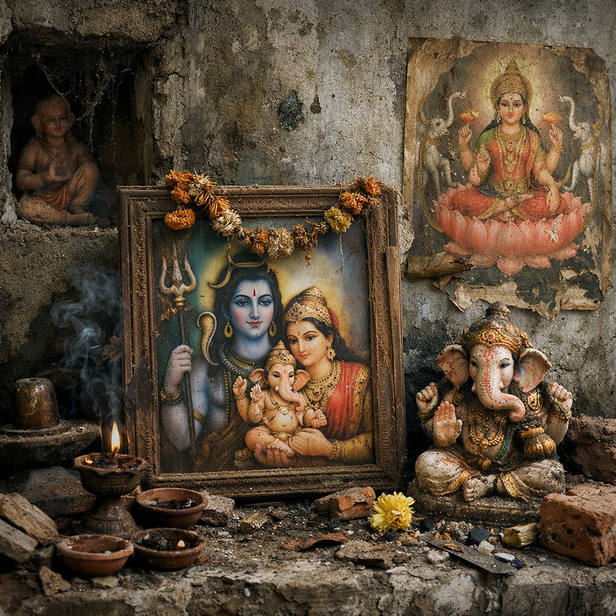
Look around carefully. Images of God near garbage areas, on the ground, or in places where people step unknowingly. Old calendars thrown away. Torn posters lying ignored. None of this is intentional disrespect. But intention does not erase impact. The divine is being treated casually in physical form. And that raises a difficult question if we truly believe something is sacred, should its representation be treated like anything else?
One common response is: “God is everywhere.” And that’s true. But this truth has become a convenient excuse. If God is everywhere, does that mean we can treat every representation carelessly? Or does it mean we should treat everything with even more respect? The idea was meant to elevate awareness, not reduce responsibility. Somewhere along the way, we replaced mindfulness with convenience.
Today, images of God appear on mugs, packaging, keychains, and products that are used and discarded daily. What once held spiritual value is now part of casual consumption. This is where devotion quietly turns into commodification. It doesn’t happen suddenly it happens slowly, through small choices. And before we realize it, something sacred becomes just another design element.
Respect is not just what we feel it’s what we show. If we place a photo, we should maintain it. If we worship, we should do it with awareness. A clean, dignified space matters. Not because God needs it, but because it reflects our sincerity. The way we treat symbols reveals the depth of our connection. Small actions cleaning, placing thoughtfully, avoiding careless use make a silent but powerful difference.
This is not about fear. It’s about awareness. No one is asking for perfection only mindfulness. Think before placing, using, or discarding anything sacred. Create boundaries. Teach respect through action, not just words. Because devotion without awareness becomes empty over time. And awareness without action changes nothing. The shift is simple but powerful.
Unlock insightful tips and inspiration on personal growth, productivity, and well-being. Stay motivated and updated with the latest at My Life XP.
1. Is using God’s image on everyday items disrespectful?
Not always. It depends on intention and care. When used mindfully and respectfully, it reflects devotion. The concern arises when it becomes casual or careless.
2. Why do people feel this is an issue?
Because repeated casual use can slowly reduce the sense of sacredness, turning something meaningful into something ordinary over time.
3. What is the main message here?
The focus is on awareness—how we treat symbols of faith in daily life and whether our actions match our beliefs.
4. How can we show better respect?
By keeping sacred items clean, placing them thoughtfully, and avoiding careless disposal or misuse.
5. Does God need physical respect?
Faith teaches that respect is more about our mindset. It reflects our devotion, discipline, and awareness rather than necessity.
When Devotion Becomes Habit

God Photo on Everyday Objects
Image credit : CHATGPT(AI)
We grow up seeing God everywhere on walls, in shops, on vehicles, in homes. It feels normal. Over time, devotion becomes routine, not intention. We stop thinking about how we treat these representations. A photo becomes just another object. A symbol becomes background. The problem is not faith it’s the loss of awareness. When something sacred becomes ordinary, respect slowly fades. Not because we don’t care, but because we stopped paying attention.
The Unnoticed Disrespect Around Us
Religious Images in Neglected Places
Image credit : CHATGPT(AI)
Look around carefully. Images of God near garbage areas, on the ground, or in places where people step unknowingly. Old calendars thrown away. Torn posters lying ignored. None of this is intentional disrespect. But intention does not erase impact. The divine is being treated casually in physical form. And that raises a difficult question if we truly believe something is sacred, should its representation be treated like anything else?
The Comfort of Justifying Everything
When Faith Becomes Commercial
Respect Is Visible in Actions
Bringing Awareness Back to Devotion
Unlock insightful tips and inspiration on personal growth, productivity, and well-being. Stay motivated and updated with the latest at My Life XP.
Frequently Asked Questions (FAQs)
Not always. It depends on intention and care. When used mindfully and respectfully, it reflects devotion. The concern arises when it becomes casual or careless.
2. Why do people feel this is an issue?
Because repeated casual use can slowly reduce the sense of sacredness, turning something meaningful into something ordinary over time.
3. What is the main message here?
The focus is on awareness—how we treat symbols of faith in daily life and whether our actions match our beliefs.
4. How can we show better respect?
By keeping sacred items clean, placing them thoughtfully, and avoiding careless disposal or misuse.
5. Does God need physical respect?
Faith teaches that respect is more about our mindset. It reflects our devotion, discipline, and awareness rather than necessity.