
Why This India-Iran Moment Could Shape the Future
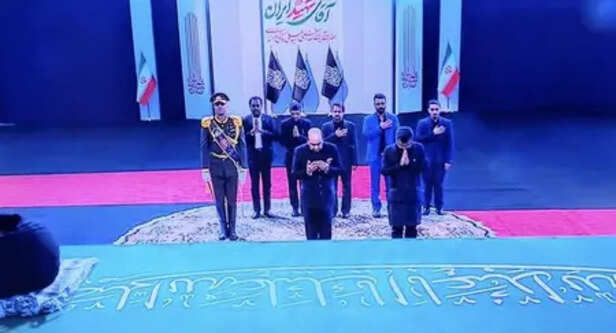
Some moments in diplomacy are not measured by military strength, billion-dollar trade deals, or political speeches. They are remembered because they show respect when it matters the most. India's decision to send an official delegation to Tehran following the death of Iran's Supreme Leader became one such moment. While the world watched closely, Iran publicly thanked India, calling its participation an unforgettable gesture of friendship. But why did this symbolic visit receive such an emotional response? And what does it reveal about the relationship between the two nations?
A Farewell That Became More Than a Ceremony
India's presence at the funeral ceremonies was not viewed as a routine diplomatic protocol. By sending an official delegation despite regional tensions, New Delhi signaled respect for Iran during one of its most difficult moments. Tehran described the visit as a powerful symbol of friendship, proving that diplomacy is often remembered through meaningful gestures rather than grand political announcements.
Why Iran Called India's Presence Unforgettable
The Iranian Embassy's message carried unusually emotional language, saying the people of Iran would never forget India's compassion and respect. Such public appreciation is rare in diplomatic communication. The statement emphasized that India's support reflected decades of shared history, cultural understanding, and mutual goodwill, making the gesture far more significant than a ceremonial visit.
The Faces That Represented India's Message
India's delegation included government representatives, while several political leaders and public figures also attended independently. Their presence demonstrated that condolences extended beyond official diplomacy. It reflected a broader expression of respect from different sections of Indian society, reinforcing the image of India as a nation that values humanitarian gestures regardless of political differences.
A Friendship Built Long Before Today's Headlines
India and Iran have maintained civilizational ties for centuries through commerce, literature, language, and cultural exchanges. Modern diplomatic relations continue to build upon that historical foundation. Iran's acknowledgment highlighted these long-standing connections, suggesting that the recent gesture was another chapter in a relationship shaped by mutual respect rather than temporary political interests.
Why Symbolic Diplomacy Often Matters More Than Words
International diplomacy is not driven only by agreements and negotiations. Small symbolic actions during times of grief often leave lasting impressions. Attending memorial ceremonies communicates empathy without lengthy statements. Iran's public gratitude illustrates how respectful diplomatic gestures can strengthen trust and goodwill even during periods of regional uncertainty and geopolitical tension.
The Leadership Transition That Changed the Conversation
Following the death of the country's Supreme Leader, Iran entered a sensitive period of political transition. During such moments, international support carries additional importance because it signals recognition and stability. India's participation was viewed within this larger context, making its diplomatic presence particularly meaningful as Iran prepared for a new phase of leadership.
What This Means for the Future of India-Iran Relations
While one visit cannot redefine international relations, symbolic moments often influence future cooperation. Public appreciation from Iran may contribute to stronger dialogue across trade, connectivity, energy, and cultural engagement. Whether these opportunities expand will depend on future diplomatic decisions, but the emotional response shows that gestures of respect can leave a lasting mark on bilateral relations.
Unlock insightful tips and inspiration on personal growth, productivity, and well-being. Stay motivated and updated with the latest at My Life XP.
Frequently Asked Questions (FAQs)
1. Why did Iran thank India after the funeral ceremony?
Iran thanked India for sending an official delegation to the funeral ceremonies and for the support shown by Indian leaders, scholars, and public figures. The Iranian Embassy described it as a meaningful gesture of friendship and respect.
2. Who represented India at the funeral in Tehran?
India was officially represented by Minister of State for External Affairs Pabitra Margherita and Bihar Governor Lt. Gen. (Retd.) Syed Ata Hasnain. Several political leaders also attended in their individual capacities.
3. Why was India's participation considered important?
India's presence was seen as a diplomatic gesture of solidarity during a period of national mourning in Iran. Such symbolic visits often strengthen goodwill and reflect mutual respect between countries.
4. What did the Iranian Embassy say about India's gesture?
The Iranian Embassy said the people of Iran would "never forget" India's gesture of friendship, compassion, and heartfelt respect, calling it a reflection of the deep historical and cultural ties between the two nations.
5. How long have India and Iran shared diplomatic ties?
India and Iran share centuries-old civilizational connections through trade, culture, language, and historical exchanges. Their modern diplomatic relationship continues to be shaped by these longstanding ties