
Why This Single Fast Is Worth More Than 24 Others
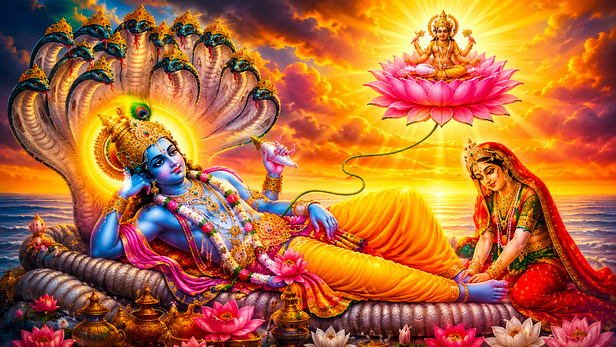
Can a single day of fasting bring the spiritual rewards of observing 24 Ekadashis throughout the year? It may sound unbelievable, but that is exactly why Nirjala Ekadashi holds such a special place in Hindu tradition. Considered the most powerful and challenging of all Ekadashi fasts, it is observed without food or water and dedicated to Lord Vishnu. Every year, millions of devotees embrace this difficult vrat with faith and devotion. Here's everything you need to know about Nirjala Ekadashi 2026, its date, fasting timings, and the fascinating story behind its other name Bhimseni Ekadashi.
The Toughest Fast With the Greatest Rewards
Nirjala Ekadashi is not just another religious observance it is considered the ultimate test of faith, discipline, and devotion. Unlike other Ekadashi fasts where fruits or water may be consumed, devotees abstain from both food and water throughout the day.
This is why it is often called the most difficult Ekadashi. Yet, its spiritual significance makes it one of the most widely observed. Hindu scriptures and traditions suggest that a devotee who sincerely follows the vrat earns the blessings equivalent to observing all 24 Ekadashis of the year.
For many, it is not merely about fasting. It is a day of self-control, prayer, and spiritual reflection that strengthens one's connection with Lord Vishnu.
When Is Nirjala Ekadashi in 2026?
According to the Hindu calendar, Nirjala Ekadashi falls on the Shukla Paksha Ekadashi of the Jyeshtha month.
In 2026, the Ekadashi tithi begins on June 24 at 6:13 PM and ends on June 25 at 8:10 PM. Since Hindu fasting traditions generally follow the sunrise-based tithi rule, devotees will observe Nirjala Ekadashi on June 25, 2026.
Many devotees prepare themselves mentally and physically a day in advance because observing a fast without water during the summer season can be particularly demanding. Despite the challenge, the spiritual significance of the day motivates countless people to undertake the vrat every year.
Why the Parana Timing Matters
Completing the fast correctly is considered just as important as observing it. In Hindu traditions, breaking the fast, known as Parana, should be done during the prescribed time to receive the full spiritual benefits of the vrat.
For Nirjala Ekadashi 2026, the fast will be broken on June 26, Friday. The auspicious Parana Muhurat is from 5:41 AM to 8:25 AM.
Many devotees focus entirely on the fasting aspect but overlook the importance of proper Parana. Religious beliefs suggest that following the correct procedure ensures the vrat is completed successfully and respectfully. This final step marks the conclusion of a day dedicated to devotion, prayer, and self-discipline.
The Belief Behind the Blessings of 24 Ekadashis
One of the biggest reasons for the popularity of Nirjala Ekadashi is the belief that it offers the spiritual merit of all Ekadashi fasts observed throughout the year.
According to traditional Hindu teachings, fasting on this day helps cleanse past sins and invites the blessings of Lord Vishnu. It is also believed to promote inner purity, peace of mind, and spiritual growth.
For many devotees, the vrat represents much more than religious ritual. It is an opportunity to step away from everyday distractions and focus on gratitude, faith, and self-restraint. That deeper spiritual meaning is what continues to attract devotees year after year.
The Story of Bhima That Changed Everything
Nirjala Ekadashi is also known as Bhimseni Ekadashi, and the story behind this name is one of the most fascinating legends associated with the festival.
According to tradition, Bhima, one of the five Pandava brothers from the Mahabharata, had an enormous appetite and found it nearly impossible to observe regular fasting rituals. Concerned that he was missing out on the spiritual benefits of Ekadashi, he approached Sage Ved Vyasa for guidance.
The sage advised him to observe just one fast every year the Nirjala Ekadashi vrat. He explained that faithfully performing this fast would grant him the same spiritual rewards as observing all 24 Ekadashis. Since then, the vrat has been popularly known as Bhimseni Ekadashi.
Why Millions Still Observe This Ancient Tradition
In a world filled with distractions, Nirjala Ekadashi continues to remind people of the power of faith and self-control. While the fast may seem difficult, devotees believe its rewards go far beyond religious merit.
The day encourages discipline, gratitude, and spiritual reflection. Whether one observes it for religious reasons, personal growth, or family tradition, the vrat remains a meaningful way to reconnect with values that often get lost in everyday life.
Perhaps that is why, despite the challenges, this centuries-old tradition continues to inspire millions across generations.
Nirjala Ekadashi is much more than a day without food and water it is a powerful symbol of devotion, discipline, and faith. Its connection to Lord Vishnu, the inspiring story of Bhima, and the belief in earning the blessings of 24 Ekadashis make it one of the most revered fasts in Hindu tradition. For devotees, the real reward lies not just in the spiritual merit gained but in the strength, patience, and inner peace discovered along the way.
Unlock insightful tips and inspiration on personal growth, productivity, and well-being. Stay motivated and updated with the latest at My Life XP.