
Why Vibhishan Betrayed Lanka but Was Never Called a Traitor
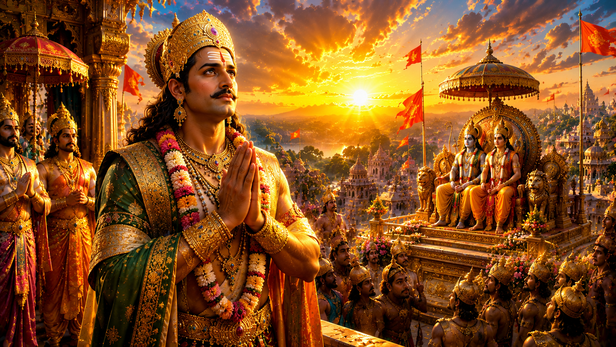
Imagine being forced to choose between your family and your conscience. What would you do? Most people believe loyalty means standing by your loved ones no matter what. But what happens when the people you love are walking down the wrong path? This is the dilemma that faced Vibhishan, the younger brother of Ravana. His decision changed the course of the Ramayana forever and sparked a question that still divides opinions today. Did Vibhishan betray Lanka? Or did he save Dharma when no one else would? The answer is far more surprising than it seems.
The Day Loyalty Was Put To The Test
Vibhishan's greatest challenge began inside Ravana's court. While most ministers praised the king, Vibhishan dared to speak honestly. He warned Ravana that abducting Sita was wrong and that continuing the conflict would bring disaster to Lanka. His words were not motivated by ambition or fear. They came from a genuine concern for his brother, his kingdom, and Dharma. Yet speaking the truth in a room full of people who prefer flattery is never easy. That day, loyalty was tested not through obedience, but through honesty.
Why Ravana Refused To Listen
Ravana was brilliant, powerful, and learned. Yet his greatest weakness was pride. The more Vibhishan advised him to return Sita, the more Ravana saw those words as an insult rather than guidance. This is a lesson repeated throughout history. When ego becomes stronger than wisdom, even the smartest leaders make disastrous choices. Vibhishan was not attacking Ravana. He was trying to save him. But pride has a dangerous habit of turning sincere advice into perceived betrayal. The tragedy of Lanka began long before the war it began when wisdom was ignored.
The Moment Everything Changed
After repeatedly being insulted and rejected, Vibhishan made a painful decision. He left Lanka and sought refuge with Lord Rama. To many observers, this looked like betrayal. Yet context matters. Vibhishan did not leave because Lanka was losing. He left because Ravana refused to abandon wrongdoing. Staying would have meant supporting an unjust act. Leaving meant sacrificing his position, comfort, and even his relationship with family. It was not the easy choice. It was the costly choice.
Dharma Above Blood Relations
The Ramayana teaches a profound principle: Dharma is higher than personal attachment. Vibhishan loved his brother, but he loved righteousness more. This distinction is crucial. Choosing Dharma does not mean rejecting family. It means refusing to support actions that cause harm. Throughout the epic, Vibhishan remains respectful toward Ravana despite opposing his decisions. His loyalty was not to a person alone it was to truth, justice, and moral responsibility. That is why his choice is remembered differently from ordinary betrayal.
The Difference Between Betrayal And Courage
A traitor acts for selfish gain. A person guided by principles acts for a higher purpose. This is what separates Vibhishan from the image many people imagine. He did not secretly plot against Lanka. He openly voiced his concerns. He gave Ravana multiple opportunities to change course. Only when every effort failed did he leave. His actions were transparent, not deceptive. Courage is often misunderstood because it sometimes looks like disobedience. Yet standing against wrongdoing requires immense strength.
A Lesson For Modern Life
Vibhishan's story remains relevant because similar situations occur every day. Employees may witness unethical practices. Friends may encourage harmful decisions. Family members may expect support even when they are wrong. In such moments, people face the same question Vibhishan faced: Should loyalty come before principles? The Ramayana suggests that real loyalty includes honesty and accountability. Supporting someone's mistakes is not kindness. Helping them recognize the truth is a far greater act of care.
Why History Honors Vibhishan
After Ravana's fall, Vibhishan became king of Lanka. This was not a reward for betrayal. It symbolized the restoration of righteous leadership. The Ramayana honors him because he chose integrity when compromise would have been easier. His legacy reminds us that moral courage often comes with criticism, misunderstanding, and sacrifice. Yet in the long run, truth has a way of revealing itself. Vibhishan's story survived for thousands of years because it speaks to one timeless principle: righteousness must never be abandoned for the sake of blind loyalty.
Unlock insightful tips and inspiration on personal growth, productivity, and well-being. Stay motivated and updated with the latest at My Life XP.
Frequently Asked Questions (FAQs)
1. Who was Vibhishan in the Ramayana?
Vibhishan was the younger brother of Ravana and a prince of Lanka. Unlike many of the Rakshasas in Ravana's court, he was known for his wisdom, righteousness, and devotion to Dharma.
2. Why is Vibhishan often called a traitor?
Some people view Vibhishan as a traitor because he left Lanka during the war and joined Rama. However, according to the Ramayana, he first made several attempts to convince Ravana to return Sita and avoid destruction.
3. Did Vibhishan betray Ravana?
The Ramayana presents Vibhishan's actions as a choice for Dharma rather than an act of betrayal. He opposed Ravana's wrongdoing openly and repeatedly, rather than secretly conspiring against him.
4. Why did Vibhishan leave Lanka?
Vibhishan left Lanka after Ravana refused to listen to his advice and publicly insulted him. He believed supporting the abduction of Sita would be against Dharma and moral principles.
5. What advice did Vibhishan give Ravana?
Vibhishan repeatedly urged Ravana to return Sita to Rama and seek peace. He warned that continuing the conflict would bring destruction to Lanka.