
Why Vijay Removed The White Towel From His Chair
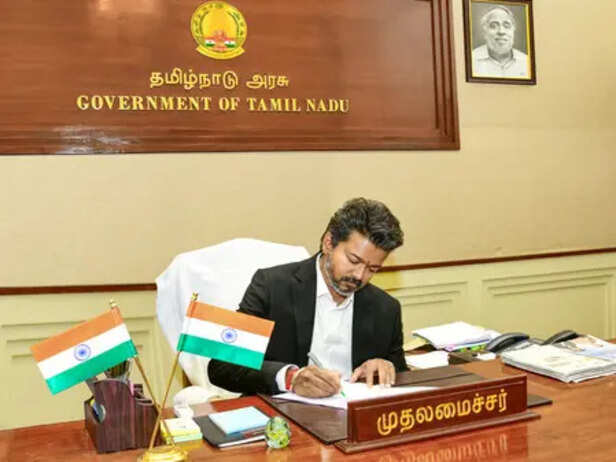
It was just a white towel on a chair. No speech. No announcement. No political slogan. But when Joseph Vijay quietly removed the traditional white towel from his official chair, social media exploded with reactions. For decades, the white towel has been a familiar sight in Indian government offices a symbol many people stopped questioning long ago. But now, one silent change has started a much bigger conversation. Was this just about a towel? Or was it a subtle message against India’s deep-rooted VIP culture that most leaders never challenge?
The White Towel Everyone Ignored For Years
For generations, white towels placed on official chairs became normal inside government offices across India. Ministers, senior officers, and bureaucrats used them almost everywhere. Most people saw them daily but never stopped to ask why they existed. Over time, the towel slowly became associated with authority and power. Even lower-level officials copied the practice because it symbolized status. What started as a simple office habit quietly turned into a visual reminder of hierarchy. And that is exactly why Vijay’s small decision suddenly caught everyone’s attention online and sparked a much larger cultural debate.
The Colonial Secret Behind The Towel Tradition
The origin of the white towel goes back to the British Raj in India. British officers used heavy hair oils called Macassar oil, which often stained expensive chairs made of leather and teak wood. To protect the furniture, cloth covers called anti-macassars were placed behind chairs. In India’s extreme heat, these cloths evolved into full white towels that absorbed sweat and kept officials comfortable. Over time, the practical use slowly disappeared, but the tradition remained. What once protected furniture eventually became an unspoken symbol of bureaucratic importance and VIP culture across government institutions.
The Tweet That Triggered A Silent Change
Climate activist Licypriya Kangujam publicly appealed to Vijay on social media to remove the towel tradition from government offices. She argued that real leadership begins with symbolic changes that challenge unnecessary VIP culture. Surprisingly, within just one day, photographs from official meetings showed Vijay sitting without the towel on his chair. There was no official statement from the government. That silence made the moment even more powerful. People online began praising the move as a rare example of a leader listening without turning the action into political publicity. Sometimes, the quietest decisions create the loudest impact.
Why This Small Move Feels Bigger Than Politics
Many people online believe the towel removal represents something much larger than office furniture. Across India, citizens often feel frustrated by visible signs of VIP privilege separate treatment, excessive protocol, and symbols of authority that create distance between leaders and ordinary people. Vijay’s action felt different because it challenged a long-standing habit without dramatic speeches or attacks. It looked simple, human, and intentional. That is why the story spread so quickly online. In a time when politics often feels performative, even a quiet symbolic gesture can appear surprisingly refreshing to the public.
Could This Change Spread Across India?
After Vijay’s move, discussions began about other outdated traditions still present inside Indian offices and institutions. People questioned whether symbolic practices linked to colonial thinking still shape modern governance today. While removing a towel may not solve major political issues, it sends a message about simplicity and accessibility in leadership. Small visual changes often influence public mindset more than long speeches. Now many are waiting to see whether other politicians and bureaucrats will follow the same example. Sometimes history changes quietly not through revolutions, but through one simple decision people finally notice.
Unlock insightful tips and inspiration on personal growth, productivity, and well-being. Stay motivated and updated with the latest at My Life XP.
Frequently Asked Questions (FAQs)
1. Why did Vijay remove the white towel from his chair?
Joseph Vijay reportedly removed the traditional white towel after climate activist Licypriya Kangujam appealed to him to end VIP-style practices linked to government offices. The move was seen as a symbolic step against old bureaucratic culture.
2. What is the meaning of the white towel on VIP chairs?
The white towel tradition originally began during British rule in India. It was used to protect expensive chairs from hair oil stains and absorb sweat in hot weather. Over time, it became associated with authority, seniority, and VIP culture in government offices.
3. Why is Vijay’s decision being discussed so much online?
Many people believe the move represents simplicity and accessibility in leadership. Since the towel became a symbol of hierarchy over the years, removing it felt like a quiet rejection of unnecessary VIP culture.
4. Did Vijay officially announce this decision?
No. There was no official government announcement or press statement. People noticed the change through photographs released from Vijay’s official meetings, which made the gesture feel more natural and less performative.
5. Who is Licypriya Kangujam?
Licypriya Kangujam is a young Indian climate activist known for speaking about environmental and social issues. She publicly requested Vijay to end the towel tradition in government offices.