Why Vinayaki Was Erased From Mainstream Mythology
Noopur Kumari | Fri, 24 Apr 2026
The tale of Andhakasur is more than just a battle story. It represents the idea of unstoppable chaos where every drop of destruction creates more destruction.To stop this cycle, a powerful feminine divine energy is said to have emerged, often referred to in tantric traditions as “Vinayaki.” Some texts describe her as a protective force linked with Ganesha’s shakti, working alongside fierce goddesses to control the uncontrollable. But why is this form so rarely discussed? And what does it really symbolize? Let’s explore.

Vinayaki
Image credit : ChatGPT (ai)
What if one of the most familiar deities you worship has a side you were never told about? In ancient spiritual texts, there are hidden layers of mythology that never reach mainstream storytelling. One such mystery revolves around a terrifying war between gods and a demon whose blood could multiply into endless destruction And in that chaos a rarely spoken divine force emerges. Not a warrior in armor. Not a god in usual form But a feminine manifestation of divine energy connected to Lord Ganesha himself. This is where the story becomes both mysterious and controversial.
![The Illusion of a Perfect Influencer Life]()
Andhakasur is described as a demon whose power defied normal rules of destruction. Every drop of his blood that touched the earth would create another demon exactly like him. This made him nearly impossible to defeat through traditional warfare. Even gods found themselves trapped in a never-ending cycle of battle. The more they fought, the more the enemy multiplied. This story symbolizes uncontrolled negativity where every attempt to suppress it without strategy only increases its spread.
Lord Shiva is often seen as the destroyer of evil, yet even his cosmic strength struggled in this battle. Despite immense power, the problem was not the enemy’s strength but its replication. This created a spiritual paradox: how do you defeat something that multiplies when harmed? The battlefield turned into a symbol of imbalance, where destruction alone was no longer enough. This moment represents the limitation of force without intelligence or transformation in divine storytelling.
THE EMERGENCE OF
![Shiva in the Endless Battle]()
At the peak of chaos, ancient traditions describe the emergence of a feminine force linked with divine intelligence Vinayaki. Unlike conventional warrior forms, this energy worked differently. Instead of attacking, it absorbed and neutralized the source of multiplication. She represented control over chaos rather than aggression. This concept reflects a deeper philosophical idea: some problems cannot be solved by force, only by transformation of their origin.
![Rise of Vinayaki Shakti]()
In many Shakta traditions, powerful goddesses like Kali are described as forces that consume negativity before it spreads. In this narrative, Vinayaki and other divine energies work in synchronization. Instead of allowing the demon’s blood to fall, it is absorbed or neutralized instantly. This represents a symbolic truth: when chaos becomes self-replicating, only higher awareness can stop its expansion. It is not just destruction it is containment of origin.
Some rare temples and regional traditions in India preserve symbolic references to Vinayaki or feminine Ganesha energy forms. These are not mainstream depictions but exist in tantric and localized practices. They remind us that mythology is layered what is widely known is only a fraction of a much larger spiritual universe. These hidden representations continue to spark curiosity among scholars and seekers who explore ancient symbolic meanings beyond common narratives.
Unlock insightful tips and inspiration on personal growth, productivity, and well-being. Stay motivated and updated with the latest at My Life XP.
1. Who is Vinayaki in Hindu mythology?
Vinayaki is described in some tantric and Shakta traditions as a feminine energy associated with Lord Ganesha. She is not widely mentioned in mainstream Puranas but appears in certain esoteric texts as a powerful Shakti form.
2. Is Vinayaki mentioned in the Puranas?
Vinayaki is not a central figure in major Puranas like the Vishnu Purana or Bhagavata Purana. Her references mainly appear in tantric literature and regional or symbolic traditions, rather than standardized mythological narratives.
3. What is the story of Andhakasur?
Andhakasur is a demon in Hindu mythology who received a boon that every drop of his blood would create another demon. This made him extremely difficult to defeat, as his army kept multiplying during battle.
4. What role does the “blood not falling on earth” idea represent?
Symbolically, it represents uncontrolled negativity or desire—where destruction or reaction only creates more problems unless the root cause is addressed.
5. Is Vinayaki considered the female form of Ganesha?
In some tantric interpretations, Vinayaki is viewed as the feminine counterpart or shakti aspect of Ganesha. However, this is not a universally accepted concept across all Hindu traditions.
6. Why is Vinayaki not widely known?
Because she mainly appears in esoteric, tantric, and regional traditions rather than mainstream scripture, her stories are less circulated in common religious education.
7. Does any temple worship Vinayaki?
There are rare symbolic representations in some ancient and regional traditions, but dedicated widespread worship of Vinayaki is not common in mainstream temple practices.
THE DEMON WHO COULD NEVER DIE
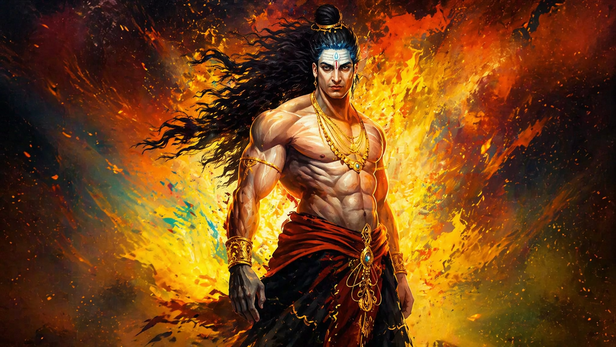
The Illusion of a Perfect Influencer Life
Image credit : ChatGPT (ai)
Andhakasur is described as a demon whose power defied normal rules of destruction. Every drop of his blood that touched the earth would create another demon exactly like him. This made him nearly impossible to defeat through traditional warfare. Even gods found themselves trapped in a never-ending cycle of battle. The more they fought, the more the enemy multiplied. This story symbolizes uncontrolled negativity where every attempt to suppress it without strategy only increases its spread.
WHEN EVEN SHIVA’S WAR WAS NOT ENOUGH
THE EMERGENCE OF VINAYAKI ENERGY
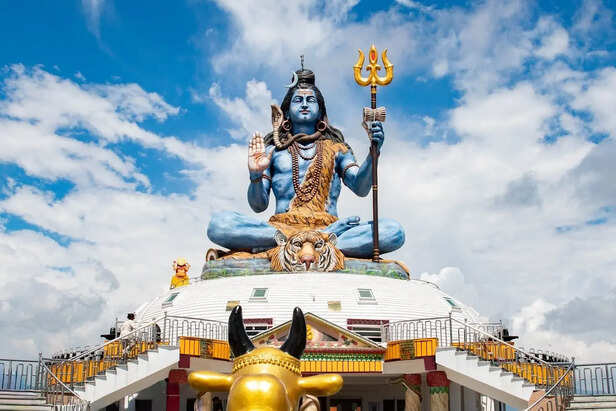
Shiva in the Endless Battle
Image credit : Pexels
At the peak of chaos, ancient traditions describe the emergence of a feminine force linked with divine intelligence Vinayaki. Unlike conventional warrior forms, this energy worked differently. Instead of attacking, it absorbed and neutralized the source of multiplication. She represented control over chaos rather than aggression. This concept reflects a deeper philosophical idea: some problems cannot be solved by force, only by transformation of their origin.
THE ROLE OF SHAKTI IN STOPPING CHAOS
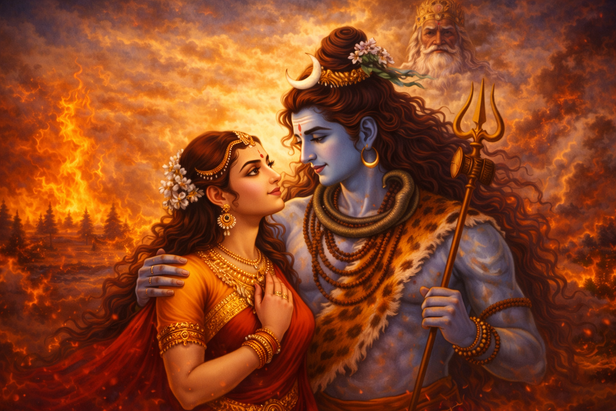
Rise of Vinayaki Shakti
Image credit : ChatGPT(ai)
In many Shakta traditions, powerful goddesses like Kali are described as forces that consume negativity before it spreads. In this narrative, Vinayaki and other divine energies work in synchronization. Instead of allowing the demon’s blood to fall, it is absorbed or neutralized instantly. This represents a symbolic truth: when chaos becomes self-replicating, only higher awareness can stop its expansion. It is not just destruction it is containment of origin.
THE FORGOTTEN SYMBOL IN TEMPLES
Unlock insightful tips and inspiration on personal growth, productivity, and well-being. Stay motivated and updated with the latest at My Life XP.
Frequently Asked Questions (FAQs)
Vinayaki is described in some tantric and Shakta traditions as a feminine energy associated with Lord Ganesha. She is not widely mentioned in mainstream Puranas but appears in certain esoteric texts as a powerful Shakti form.
2. Is Vinayaki mentioned in the Puranas?
Vinayaki is not a central figure in major Puranas like the Vishnu Purana or Bhagavata Purana. Her references mainly appear in tantric literature and regional or symbolic traditions, rather than standardized mythological narratives.
3. What is the story of Andhakasur?
Andhakasur is a demon in Hindu mythology who received a boon that every drop of his blood would create another demon. This made him extremely difficult to defeat, as his army kept multiplying during battle.
4. What role does the “blood not falling on earth” idea represent?
Symbolically, it represents uncontrolled negativity or desire—where destruction or reaction only creates more problems unless the root cause is addressed.
5. Is Vinayaki considered the female form of Ganesha?
In some tantric interpretations, Vinayaki is viewed as the feminine counterpart or shakti aspect of Ganesha. However, this is not a universally accepted concept across all Hindu traditions.
6. Why is Vinayaki not widely known?
Because she mainly appears in esoteric, tantric, and regional traditions rather than mainstream scripture, her stories are less circulated in common religious education.
7. Does any temple worship Vinayaki?
There are rare symbolic representations in some ancient and regional traditions, but dedicated widespread worship of Vinayaki is not common in mainstream temple practices.