
Why Was Parashurama So Furious All The Time?
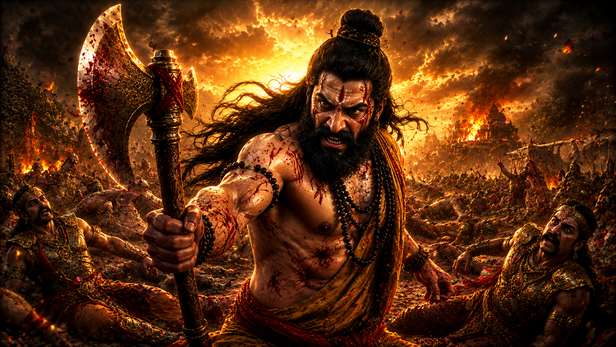
Whenever people hear the name Parashurama, one image instantly appears a furious warrior carrying a deadly axe, feared even by mighty kings. Unlike other sages known for calmness and peace, Parashurama’s personality was filled with intense anger and unstoppable rage. But was he truly angry by nature? Or was there a deeper pain hidden behind his fury? Ancient Hindu scriptures reveal that Parashurama’s anger was not born from ego or cruelty. It came from betrayal, injustice, loss, and the repeated destruction of dharma. The truth behind his rage is far more emotional and human than most people realize.
The Childhood That Shaped His Fire
Parashurama was born to Sage Jamadagni and Mother Renuka in a peaceful hermitage surrounded by spiritual discipline and simplicity. From childhood, he learned meditation, warfare, self-control, and devotion. But unlike ordinary sages, he also witnessed how powerful rulers often misused strength to oppress innocent people. These experiences quietly shaped his personality. He developed an intense hatred for injustice and arrogance very early in life. His anger was not random. It was deeply connected to his belief that power should protect people, not exploit them. That emotional foundation later transformed him into one of mythology’s fiercest warriors.
The Murder That Changed Everything
The defining moment of Parashurama’s life came when King Kartavirya Arjuna and his men attacked Sage Jamadagni’s hermitage. According to legends, the arrogant king became jealous of the sage’s divine powers and wealth. In a brutal act of revenge, Jamadagni was killed mercilessly. When Parashurama returned and saw his father lying dead, grief transformed instantly into unstoppable fury. This was not ordinary anger anymore. It became a vow to destroy corruption and punish abusive rulers. The emotional pain of losing his father became the fire that fueled every battle Parashurama fought afterward.
Why His Anger Terrified Kings
After his father’s death, Parashurama declared war against corrupt kings and abusive warriors. Scriptures say he defeated oppressive Kshatriya rulers multiple times to restore balance and justice. This made him feared across kingdoms because his anger was not driven by greed or conquest. It was driven by principles. Unlike ordinary warriors, Parashurama fought without attachment to power or luxury. His divine axe became a symbol of punishment against arrogance. But this also made him emotionally intense and feared by many. His story shows how pain mixed with righteousness can sometimes create unstoppable determination.
The Anger Was Never About Ego
One of the most misunderstood things about Parashurama is that people often mistake his anger for cruelty. In reality, his fury was rooted in emotional wounds and moral conviction. Even after powerful victories, Parashurama never tried to become king or rule kingdoms. He always returned to meditation, penance, and spiritual discipline. This reveals an important truth his battles were against injustice, not for personal gain. Ancient texts repeatedly show him as a deeply spiritual figure struggling to balance anger and dharma. That inner conflict is what makes his story emotionally powerful even today.
The Hidden Lesson Behind His Rage
Parashurama’s story carries an important warning about anger itself. Even when anger begins for a justified reason, it can slowly consume the person carrying it. Over time, Parashurama became isolated by his own rage and intensity. His life reminds people that fighting injustice is necessary, but emotional balance is equally important. Anger without wisdom becomes destruction. That is why later Hindu philosophy emphasizes calmness, patience, and inner mastery over emotional reactions. Parashurama’s journey teaches that true strength is not only defeating enemies outside but also controlling the storms rising within the mind.
Why Parashurama Still Fascinates People Today
Even today, Parashurama continues fascinating people because his emotions feel deeply human. He was not portrayed as perfectly calm or emotionally untouched. He experienced grief, rage, pain, and disappointment like ordinary humans, yet carried divine responsibility at the same time. That complexity makes him relatable in a world where many people struggle with anger and emotional pressure. His story forces people to ask difficult questions about justice, revenge, emotional healing, and self-control. Perhaps that is why Parashurama remains unforgettable because beneath the warrior’s fury was a wounded soul searching for balance and truth.
Unlock insightful tips and inspiration on personal growth, productivity, and well-being. Stay motivated and updated with the latest at My Life XP.
Frequently Asked Questions (FAQs)
1. Who was Parashurama?
Parashurama is considered the sixth avatar of Lord Vishnu in Hindu mythology. He was a warrior sage known for his immense power, discipline, and fierce anger against injustice.
2. Why was Parashurama always angry?
Parashurama’s anger mainly came from witnessing corruption, abuse of power, and the brutal killing of his father, Sage Jamadagni, by arrogant kings.
3. Was Parashurama’s anger evil?
No. According to Hindu scriptures, his anger was driven by a desire to protect dharma and punish injustice rather than personal greed or cruelty.
4. Who killed Parashurama’s father?
King Kartavirya Arjuna and his men are believed to have killed Sage Jamadagni, which became the turning point in Parashurama’s life.
5. Why did Parashurama fight against kings?
Parashurama fought against corrupt and abusive Kshatriya rulers who misused power and oppressed innocent people.