
Why We Do Thoppukaranam in Ganesha Temple (Hidden Truth)
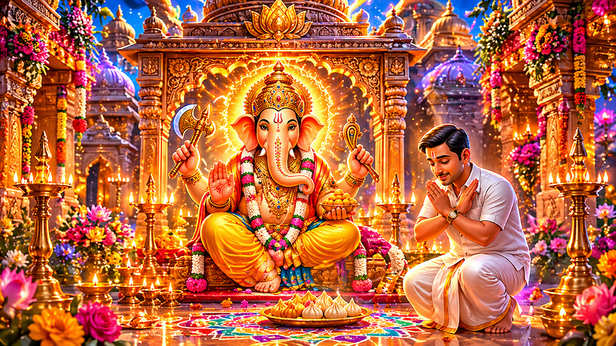
You’ve probably noticed it people standing before Ganesha, holding their ears and doing sit-ups. It looks simple, even a little funny at first glance. But have you ever paused to ask why this is done? This small act isn’t random or meaningless. It carries a story, a lesson, and a deeper purpose that often goes unnoticed. Hidden within it is a mix of humility, discipline, and awareness. What seems like a routine gesture is actually a powerful reminder sometimes the simplest actions hold the most meaningful truths, if you take a moment to truly understand them.
A Ritual That Looks Simple
In many temples, devotees perform Thoppukaranam holding their ears and doing sit-ups before Ganesha. At first glance, it feels like a playful or even childish act. But this simplicity is what makes it powerful. It breaks ego. It brings humility. When a person bows, holds their ears, and repeats the movement, something shifts inside. The body participates in devotion, not just the mind. What looks ordinary from outside actually carries a deeper purpose within.
The Story Behind the Ritual
There is a beautiful story linked to Lord Vishnu, Lord Shiva, and Ganesha. When Ganesha swallowed the Sudarshan Chakra, even divine power couldn’t fix the situation. Then Shiva gave a simple solution make him laugh. Vishnu performed playful actions likeThoppukaranam. Ganesha laughed, and the problem was solved. This story shows something surprising: joy can succeed where force fails. And that’s the emotion this ritual tries to recreate.
More Than Just Devotion
This ritual is not only spiritual it also connects to the body and mind. Holding ears and doing sit-ups activates both sides of the brain. It improves focus and calms the mind. That’s why many people feel lighter after doing it. It’s like combining prayer with a physical reset. Over time, this creates discipline and awareness. So what seems like a small temple act actually becomes a powerful mental practice.
The Mistake Most People Make
Many people perform this ritual without understanding it. They rush, repeat it quickly, and move on. But without awareness, the impact becomes weak. The real purpose is not just movement it’s intention. When you do it mindfully, with focus and humility, it creates a deeper effect. Otherwise, it becomes just another habit. This is the biggest mistake doing something powerful without knowing why it matters.
How to Do It the Right Way
Stand calmly before Ganesha. Hold your ears gently, cross your hands, and perform slow sit-ups. Breathe naturally. Stay aware of your movement. Don’t rush. Think of it as a moment to reset your mind, not just complete a ritual. Even a few repetitions done with focus can feel different. This is where the real benefit lies in awareness, not quantity.
Unlock insightful tips and inspiration on personal growth, productivity, and well-being. Stay motivated and updated with the latest at My Life XP.
Frequently Asked Questions (FAQs)
1. What is Thoppukaranam in Ganesha temples?
It is a ritual where devotees hold their ears and perform sit-ups in front of Ganesha as a sign of humility and devotion.
2. Why do people hold their ears during this ritual?
Holding the ears symbolizes accepting mistakes and seeking forgiveness, along with showing respect and surrender.
3. Is there a story behind this practice?
Yes, a popular story connects it to Lord Vishnu making Ganesha laugh using playful actions, which inspired this ritual.
4. Does this ritual have any scientific benefit?
It is believed to improve focus and activate both sides of the brain, helping mental clarity.
5. Is it necessary to do this ritual in temples?
No, it is optional. Devotion and intention matter more than the act itself.