
Why Yogis Are Buried After Death, Not Cremated
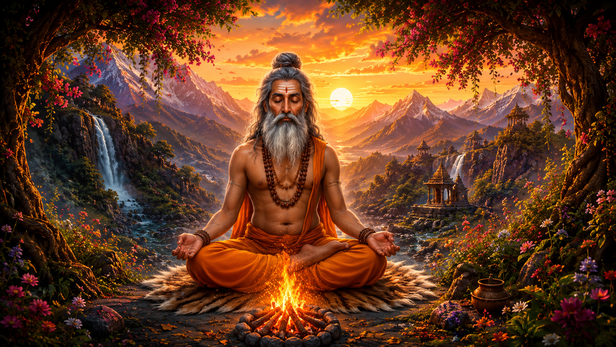
In Hinduism, most people are cremated after death. The body is burned so the soul can detach from physical identity and move toward its next journey. But then a strange question arises why are some yogis and enlightened saints not cremated at all? Why are they buried in a sitting meditation posture instead? For centuries, devotees have visited these sacred samadhi sites believing powerful spiritual energy still exists there. Some even claim they feel peace, silence, or unexplained vibrations near such places. Is this only tradition? Or is there a hidden spiritual science behind why enlightened yogis are treated differently after death?
Why Most Hindus Are Cremated After Death
In Hindu tradition, cremation is not only a ritual but also a spiritual process. It is believed that most people remain deeply attached to their body, identity, relationships, and worldly life even after death. The sacred fire helps destroy this attachment and reminds the soul to move forward toward its next journey. Fire represents purification, transformation, and release. This is why cremation became the most common funeral practice in Hinduism. The burning of the body symbolizes the ending of physical identity so the soul can continue its karmic path without being trapped by attachment.
What Makes a Yogi Different at the Time of Death
Yogic traditions describe enlightened beings very differently from ordinary people. A true yogi is believed to leave the body consciously through deep meditation, a process often called Mahasamadhi or Utkranti. In this state, the yogi has already detached from physical identity long before death arrives. There is no fear, confusion, or emotional attachment remaining. Because of this, cremation is considered unnecessary. The body becomes simply a discarded vessel rather than something the soul still clings to. This is why many spiritual traditions honor yogis differently after death compared to ordinary funeral rituals.
Why Yogis Are Buried in Meditation Posture
One of the most mysterious parts of yogic tradition is the burial posture. Many yogis are buried while seated in Padmasana or another meditation pose. According to spiritual beliefs, enlightened masters often leave their bodies while meditating. Over time, the body naturally stiffens in that same posture. Instead of changing the position, disciples preserve it as part of the samadhi ritual. This posture symbolizes eternal meditation and spiritual awakening. Devotees believe the yogi’s final meditative state continues to radiate peace and higher consciousness even after physical death has occurred.
The Spiritual Energy Believed to Remain
Why do thousands of people continue visiting samadhi sites centuries later? Yogic traditions believe that even after an enlightened being leaves the body, subtle spiritual vibrations remain in the surrounding space. The body itself may still hold traces of powerful pranic energy created through years of meditation and discipline. This is why disciples preserve the site instead of cremating the remains. Many devotees claim they experience deep silence, emotional healing, or unusual peace near such places. Whether viewed spiritually or psychologically, samadhi sites continue attracting seekers searching for inner transformation.
Why Sitting Near Enlightened Masters Matters
The word “Upanishad” itself means sitting near the guru. Ancient spiritual traditions believed transformation did not happen only through books or teachings, but also through presence. Being near an enlightened master was considered a powerful spiritual experience. Even after death, devotees believe a realized yogi’s samadhi continues influencing seekers silently. That is why many saints are buried instead of cremated. Their resting place becomes a spiritual center where people meditate, pray, and seek guidance. The idea is simple yet profound true wisdom is not only spoken, it is also felt.
The Hidden Meaning Behind Yogi Samadhi
The deeper meaning behind yogi samadhi is not about death at all. It represents complete freedom from attachment, fear, and physical identity. Ordinary people struggle to separate themselves from the body, but enlightened yogis are believed to transcend that limitation while alive. Their burial becomes a symbol of spiritual completion rather than mourning. It reminds devotees that human life is not limited to the physical form. Whether one believes literally or symbolically, these traditions continue inspiring millions because they point toward one timeless idea consciousness may exist beyond the body itself.
Unlock insightful tips and inspiration on personal growth, productivity, and well-being. Stay motivated and updated with the latest at My Life XP.
Frequently Asked Questions (FAQs)
1. Why are most Hindus cremated after death?
In Hindu tradition, cremation is believed to help the soul detach from the physical body and worldly attachments. Fire symbolizes purification and transformation, helping the soul continue its spiritual journey toward the next birth.
2. Why are yogis and saints buried instead of cremated?
Enlightened yogis are believed to leave the body consciously through Mahasamadhi or deep meditation. Since they are considered free from attachment to the body, cremation is often seen as unnecessary. Their bodies are therefore placed in samadhi instead of being burned.
3. What is Mahasamadhi in yogic tradition?
Mahasamadhi refers to the conscious departure of an enlightened yogi from the physical body. Spiritual traditions describe it as a state where the yogi willingly leaves the body during deep meditation after achieving spiritual realization.
4. Why are yogis buried in a sitting posture?
Many yogis leave their bodies while meditating in Padmasana or another yogic posture. Their bodies naturally remain in that position, and disciples preserve the same meditative pose during samadhi burial as a symbol of eternal meditation and spiritual awakening.
5. What is a samadhi shrine?
A samadhi shrine is the sacred resting place of an enlightened saint or yogi. Devotees visit these places for meditation, prayer, peace, and spiritual inspiration because they believe powerful spiritual vibrations still remain there.