Does Rakshasa Gana Really Mean You're A Demon?
Noopur Kumari | Jun 01, 2026, 12:00 IST
Many people become worried when they discover that they belong to Rakshasa Gana. Some assume it means they possess negative qualities or that they are unsuitable for marriage. But the truth is far more surprising. In Vedic astrology, Gana is not about labeling someone as a god, human, or demon. Instead, it is a symbolic classification based on the nature of a person's birth Nakshatra. Understanding the real meaning of Dev Gana, Manushya Gana, and Rakshasa Gana can completely change how you view horoscope matching and personality traits.

Imagine discovering that your horoscope places you in Rakshasa Gana. For many people, the word itself sounds alarming. Questions immediately arise. Does it mean something negative? Is it bad for marriage? Does it reveal a dangerous personality? The answer may surprise you. One of the most misunderstood concepts in Vedic astrology is Gana classification. Over time, people have attached unnecessary fears and misconceptions to it. Yet the original idea behind Gana is much deeper and more fascinating than most realize. To understand its true meaning, we first need to look beyond the labels and uncover what astrology is actually trying to tell us.
![The Three Ganas In Vedic Astrology]()
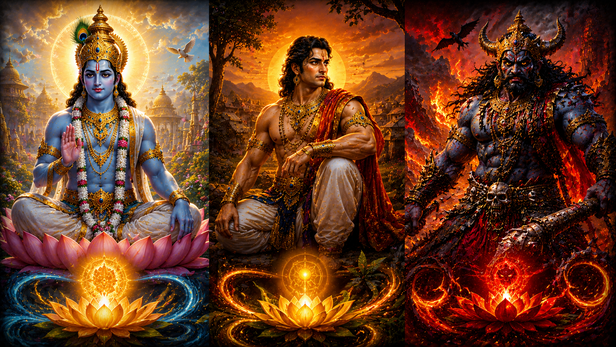
In Vedic astrology, the 27 Nakshatras are grouped into three categories: Dev Gana, Manushya Gana, and Rakshasa Gana. These classifications describe natural tendencies and behavioral patterns rather than moral worth. Dev Gana is associated with a more sattvic and harmonious nature. Manushya Gana reflects practical and balanced human qualities. Rakshasa Gana symbolizes strong, intense, independent, and transformative energies. The names may sound dramatic, but they are symbolic descriptions of temperament. They are not judgments about whether a person is good, bad, divine, or demonic.
Why Your Moon
![The Moon's Role In Gana Classification]()
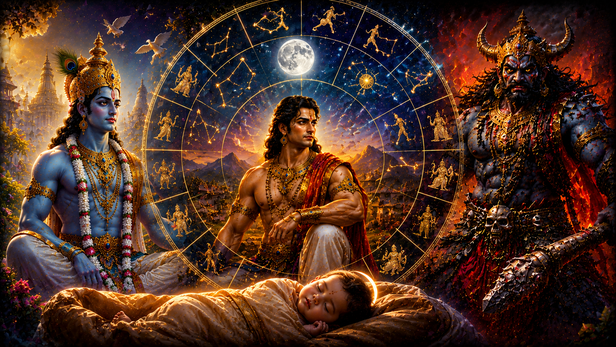
The key to understanding your Gana lies in your Moon Nakshatra. At the time of birth, the Moon occupies a specific Nakshatra, and that Nakshatra determines your Gana category. For example, Ashlesha Nakshatra belongs to Rakshasa Gana because of the nature associated with its ruling deity. This does not mean that people born under Ashlesha are negative. It simply reflects certain psychological tendencies and strengths. Astrology uses symbolism to explain personality patterns, helping people understand their natural instincts and emotional responses more clearly.
![Gana Matching In Kundali Milan]()
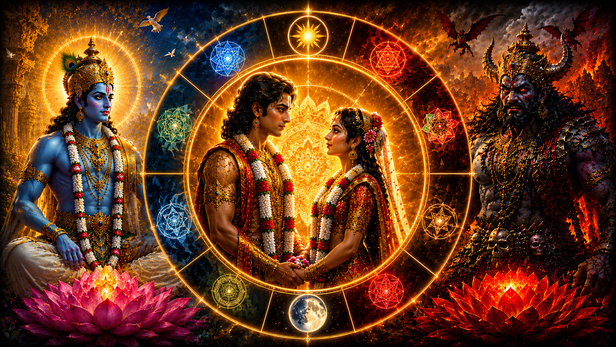
One reason Gana receives so much attention is its role in Kundali matching. In the traditional 36-point system, Gana compatibility contributes six points. Couples with the same Gana generally receive higher compatibility scores. If the Ganas differ slightly, the match is considered moderate. Larger differences may reduce the score. However, experienced astrologers rarely judge a marriage solely on Gana matching. The complete horoscope, planetary placements, emotional compatibility, and relationship factors are far more important than a single category. Gana is one factor among many in a comprehensive analysis.
Perhaps the biggest misconception is that Rakshasa Gana indicates a bad person. In reality, many successful, determined, and influential individuals possess qualities associated with this category. Rakshasa Gana often represents courage, strong willpower, independence, and the ability to challenge convention. These traits can be powerful when used positively. Every Gana has strengths and weaknesses. Dev Gana individuals may be compassionate, Manushya Gana individuals practical, and Rakshasa Gana individuals fearless. Astrology does not rank these categories. It simply describes different ways people approach life and relationships.
The deeper lesson behind Gana classification is self-understanding. Instead of worrying about labels, astrology encourages people to recognize their strengths, challenges, and natural tendencies. Whether someone belongs to Dev, Manushya, or Rakshasa Gana, each category carries valuable qualities that can contribute positively to life and relationships. The goal is not to create divisions but to promote awareness. When understood correctly, Gana becomes a tool for personal growth rather than a source of confusion or fear.
Unlock insightful tips and inspiration on personal growth, productivity, and well-being. Stay motivated and updated with the latest at My Life XP.
1. What are Dev Gana, Manushya Gana, and Rakshasa Gana?
These are three classifications used in Vedic astrology to group the 27 Nakshatras based on their symbolic qualities and natural tendencies. They help astrologers understand personality traits and compatibility.
2. How can I find out my Gana?
Your Gana is determined by the Nakshatra in which the Moon was placed at the time of your birth. An astrologer or a birth chart calculator can identify it using your birth details.
3. Does Rakshasa Gana mean a person has negative qualities?
No. Rakshasa Gana does not mean someone is evil or harmful. It generally represents qualities such as independence, determination, courage, strong opinions, and unconventional thinking.
4. What are the characteristics of Dev Gana?
People associated with Dev Gana are often believed to be calm, compassionate, cooperative, spiritual, and inclined toward maintaining harmony in relationships.
5. What does Manushya Gana represent?
Manushya Gana symbolizes practical, balanced, and realistic qualities. Individuals in this category are often seen as adaptable, social, and focused on worldly responsibilities.
The Meaning Behind The Three Ganas
The Three Ganas In Vedic Astrology
In Vedic astrology, the 27 Nakshatras are grouped into three categories: Dev Gana, Manushya Gana, and Rakshasa Gana. These classifications describe natural tendencies and behavioral patterns rather than moral worth. Dev Gana is associated with a more sattvic and harmonious nature. Manushya Gana reflects practical and balanced human qualities. Rakshasa Gana symbolizes strong, intense, independent, and transformative energies. The names may sound dramatic, but they are symbolic descriptions of temperament. They are not judgments about whether a person is good, bad, divine, or demonic.
Why Your Moon Nakshatra Matters
The Moon's Role In Gana Classification
The key to understanding your Gana lies in your Moon Nakshatra. At the time of birth, the Moon occupies a specific Nakshatra, and that Nakshatra determines your Gana category. For example, Ashlesha Nakshatra belongs to Rakshasa Gana because of the nature associated with its ruling deity. This does not mean that people born under Ashlesha are negative. It simply reflects certain psychological tendencies and strengths. Astrology uses symbolism to explain personality patterns, helping people understand their natural instincts and emotional responses more clearly.
The Marriage Matching Connection
Gana Matching In Kundali Milan
One reason Gana receives so much attention is its role in Kundali matching. In the traditional 36-point system, Gana compatibility contributes six points. Couples with the same Gana generally receive higher compatibility scores. If the Ganas differ slightly, the match is considered moderate. Larger differences may reduce the score. However, experienced astrologers rarely judge a marriage solely on Gana matching. The complete horoscope, planetary placements, emotional compatibility, and relationship factors are far more important than a single category. Gana is one factor among many in a comprehensive analysis.
The Biggest Misunderstanding About Rakshasa Gana
What Gana Really Teaches Us
Unlock insightful tips and inspiration on personal growth, productivity, and well-being. Stay motivated and updated with the latest at My Life XP.
Frequently Asked Questions (FAQs)
These are three classifications used in Vedic astrology to group the 27 Nakshatras based on their symbolic qualities and natural tendencies. They help astrologers understand personality traits and compatibility.
2. How can I find out my Gana?
Your Gana is determined by the Nakshatra in which the Moon was placed at the time of your birth. An astrologer or a birth chart calculator can identify it using your birth details.
3. Does Rakshasa Gana mean a person has negative qualities?
No. Rakshasa Gana does not mean someone is evil or harmful. It generally represents qualities such as independence, determination, courage, strong opinions, and unconventional thinking.
4. What are the characteristics of Dev Gana?
People associated with Dev Gana are often believed to be calm, compassionate, cooperative, spiritual, and inclined toward maintaining harmony in relationships.
5. What does Manushya Gana represent?
Manushya Gana symbolizes practical, balanced, and realistic qualities. Individuals in this category are often seen as adaptable, social, and focused on worldly responsibilities.