Why Do Some Rooms Feel Restless Without Any Reason? Check the Mirrors
Noopur Kumari | Fri, 23 Jan 2026
Vastu Shastra explains that mirrors act as energy multipliers within a home. When two mirrors face each other, they create endless reflection that can disturb mental calm and emotional balance. From practical experience and traditional expertise, such placements often cause restlessness, poor sleep, and repeated conflicts, especially in bedrooms. Vastu scholars emphasize this guidance as awareness based, not fear driven. Correct mirror placement, reflecting light, open space, or solid walls, supports clarity, emotional stability, and healthy energy flow. Thoughtful alignment builds trust, harmony, and long term peace at home.

In many Indian homes, mirrors are placed with quiet care based on lived experience, not fear. Vastu Shastra explains that mirrors act as energy reflectors, not simple décor. When two mirrors face each other, reflections repeat endlessly and the space never settles. From experience and expert Vastu guidance, such placement is linked to disturbed sleep, mental restlessness, and emotional imbalance. Psychologically, constant visual repetition overstimulates the mind. Traditionally, homes avoided this to protect calm and clarity. Authoritative Vastu principles and modern observation agree that balanced spaces support balanced people. Thoughtful mirror placement helps maintain peace, stability, and trust within the home environment.
![Mirror reflecting a calm, clean room]()
In Vastu Shastra, mirrors are associated with the water element, which governs movement, emotions, and reflection. From lived experience and traditional expertise, mirrors are not seen as passive objects. Whatever stands before a mirror is instantly multiplied, whether it is light, order, clutter, tension, or calm. When two mirrors face each other, this reflection never settles. Energy keeps circulating without pause. Vastu experts explain that such continuous movement can subtly overstimulate the mind over time. This may lead to emotional unease, restlessness, or disturbed sleep. Observational wisdom suggests that balanced spaces support mental clarity, while endlessly reflecting surfaces quietly disrupt inner peace.
![Infinite reflection between two mirrors]()
Psychologically, mirrors facing each other can overload the visual system. The human brain is wired to seek completion and stability, but repeated reflections create an endless loop with no closure. From experience shared by interior psychologists and Vastu consultants, such spaces often trigger subtle restlessness, reduced concentration, irritability, and disturbed sleep. Many occupants report discomfort without understanding the cause. According to Vastu Shastra, this effect is explained as unanchored energy that keeps the mind alert instead of relaxed. Modern cognitive studies also confirm that visually overstimulating environments increase mental fatigue. Aligning mirror placement with calm visual cues supports emotional balance, mental clarity, and overall well being inside the home.
![Bedroom with a single covered mirror]()
Bedrooms are designed for rest, healing, and emotional bonding, which is why Vastu experts strongly caution against mirrors facing each other in this space. From lived experience and traditional knowledge, even a single mirror reflecting the bed is discouraged. Continuous reflection keeps the room visually and energetically active when it should feel calm. Many practitioners observe links between such mirror placement and disturbed sleep, mental restlessness, and reduced emotional closeness between partners. From an expert perspective, the mind needs visual stability to relax fully. A bedroom that supports quiet reflection promotes deeper sleep, emotional warmth, and refreshed mornings, building long term physical and emotional wellbeing.
In Vastu philosophy, infinity without flow is believed to create imbalance within a living space. When two mirrors face each other, they symbolise endless reflection without direction, similar to thoughts that loop without resolution. From experience shared by Vastu practitioners and homeowners, this placement is often linked to overthinking, repeated arguments, and difficulty making clear decisions. Traditional wisdom explains that a home should encourage forward movement, stability, and emotional clarity. Modern psychology also supports this idea, noting that visually repetitive spaces can overstimulate the mind. Aligning mirror placement thoughtfully helps create a calmer, more grounded, and mentally supportive home environment rooted in awareness and balance.
According to Vastu Shastra and interior design experts, mirrors placed facing north or east are considered supportive for mental clarity and positive energy. From lived experience in traditional homes, such mirrors are advised to reflect clean walls, open areas, or natural light rather than clutter or movement. This helps create a sense of balance and calm within the space. If a room layout makes opposing mirrors unavoidable, experienced Vastu practitioners suggest covering one mirror at night to reduce visual and mental overstimulation. The principle is simple and practical. Mirrors should reflect stability, harmony, and order, never each other.
Vastu rules are not designed to create fear or blind belief. They are rooted in long observation, lived experience, and practical understanding of how spaces affect the human mind. From years of experience shared by Vastu practitioners and homeowners, small changes often bring noticeable calm. In a world filled with screens, reflections, and constant visual stimulation, these teachings gently guide us to design homes that support mental rest. Experts agree that environments influence emotional balance and focus. Turning a mirror away may seem simple, but such mindful choices can restore harmony. True balance grows from awareness, not superstition, creating clarity, stability, and quiet inner strength.
Unlock insightful tips and inspiration on personal growth, productivity, and well-being. Stay motivated and updated with the latest at My Life XP.
Why are two mirrors facing each other considered bad in Vastu?
Vastu views mirrors as energy amplifiers. When they face each other, energy keeps reflecting endlessly, which can create restlessness and mental discomfort over time.
Is this belief only superstition or does it have a practical reason?
It is not only belief. Psychologically, endless reflections overstimulate the brain and can disturb focus, calmness, and sleep, especially in closed spaces.
Is it harmful if mirrors face each other in any room?
The effect is stronger in bedrooms and living areas where the mind needs rest. In temporary spaces, the impact is usually mild.
What should I do if my room layout forces mirrors to face each other?
Cover one mirror when not in use, especially at night. This simple step reduces visual and energetic overload.
Are mirrors completely bad according to Vastu?
No. Mirrors placed on north or east walls and reflecting clean, open spaces are considered beneficial.
Mirrors Multiply Energy
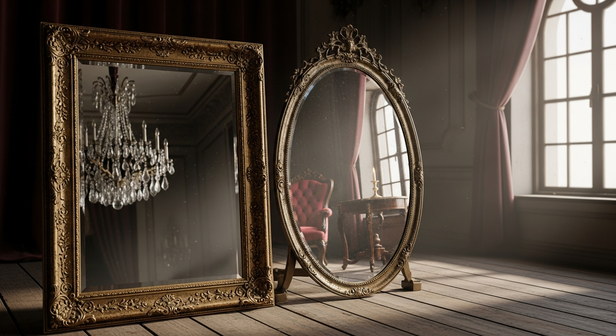
Mirror reflecting a calm, clean room
Image credit : AI
In Vastu Shastra, mirrors are associated with the water element, which governs movement, emotions, and reflection. From lived experience and traditional expertise, mirrors are not seen as passive objects. Whatever stands before a mirror is instantly multiplied, whether it is light, order, clutter, tension, or calm. When two mirrors face each other, this reflection never settles. Energy keeps circulating without pause. Vastu experts explain that such continuous movement can subtly overstimulate the mind over time. This may lead to emotional unease, restlessness, or disturbed sleep. Observational wisdom suggests that balanced spaces support mental clarity, while endlessly reflecting surfaces quietly disrupt inner peace.
Why the Mind Feels Restless
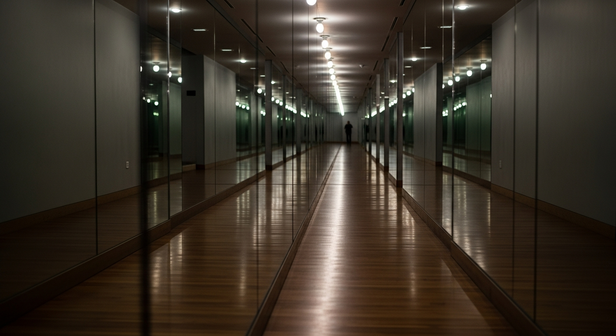
Infinite reflection between two mirrors
Image credit : AI
Psychologically, mirrors facing each other can overload the visual system. The human brain is wired to seek completion and stability, but repeated reflections create an endless loop with no closure. From experience shared by interior psychologists and Vastu consultants, such spaces often trigger subtle restlessness, reduced concentration, irritability, and disturbed sleep. Many occupants report discomfort without understanding the cause. According to Vastu Shastra, this effect is explained as unanchored energy that keeps the mind alert instead of relaxed. Modern cognitive studies also confirm that visually overstimulating environments increase mental fatigue. Aligning mirror placement with calm visual cues supports emotional balance, mental clarity, and overall well being inside the home.
Bedrooms Need Stillness
Bedroom with a single covered mirror
Image credit : Pexels
Bedrooms are designed for rest, healing, and emotional bonding, which is why Vastu experts strongly caution against mirrors facing each other in this space. From lived experience and traditional knowledge, even a single mirror reflecting the bed is discouraged. Continuous reflection keeps the room visually and energetically active when it should feel calm. Many practitioners observe links between such mirror placement and disturbed sleep, mental restlessness, and reduced emotional closeness between partners. From an expert perspective, the mind needs visual stability to relax fully. A bedroom that supports quiet reflection promotes deeper sleep, emotional warmth, and refreshed mornings, building long term physical and emotional wellbeing.
Symbolism of Infinite Reflection
Where Mirrors Should Face
A Tradition of Awareness
Unlock insightful tips and inspiration on personal growth, productivity, and well-being. Stay motivated and updated with the latest at My Life XP.
Frequently Asked Questions (FAQs)
Vastu views mirrors as energy amplifiers. When they face each other, energy keeps reflecting endlessly, which can create restlessness and mental discomfort over time.
Is this belief only superstition or does it have a practical reason?
It is not only belief. Psychologically, endless reflections overstimulate the brain and can disturb focus, calmness, and sleep, especially in closed spaces.
Is it harmful if mirrors face each other in any room?
The effect is stronger in bedrooms and living areas where the mind needs rest. In temporary spaces, the impact is usually mild.
What should I do if my room layout forces mirrors to face each other?
Cover one mirror when not in use, especially at night. This simple step reduces visual and energetic overload.
Are mirrors completely bad according to Vastu?
No. Mirrors placed on north or east walls and reflecting clean, open spaces are considered beneficial.