Are ADAS Features Making Drivers Worse?
Palak Khanna | Jun 06, 2026, 16:11 IST
Advanced Driver Assistance Systems, commonly known as ADAS, were introduced to make roads safer by reducing human error. Features such as adaptive cruise control, lane-keeping assist, automatic emergency braking, and blind-spot monitoring have undoubtedly prevented thousands of accidents. However, a growing debate suggests that these technologies may also be making drivers less attentive and overly dependent on automation. As cars become smarter, are humans becoming less skilled behind the wheel? This article explores the benefits, the hidden risks, and the fine line between assistance and overreliance.

Modern cars can brake on their own, keep themselves within lane markings, warn drivers about obstacles, and even park without human input. What once felt like science fiction is now a common feature in family SUVs and hatchbacks. Automakers market ADAS as the future of road safety, and the numbers support many of those claims. Studies have shown that automatic emergency braking and lane departure warning systems significantly reduce collision rates. Yet, another trend has quietly emerged. Many drivers are beginning to trust technology more than their own instincts. Videos of people sleeping behind the wheel or using their phones while "the car is driving itself" have become increasingly common. The question is no longer whether ADAS works. The real question is whether constant assistance is slowly weakening the driving skills that humans spent generations mastering.
![When Technology Takes the Wheel]()
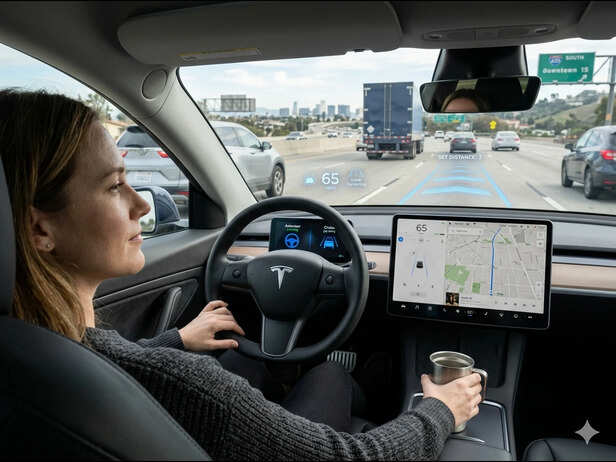
There is no denying that ADAS has transformed road safety. According to several global traffic studies, human error contributes to over 90 percent of road accidents. Fatigue, distraction, speeding, and poor judgment remain the biggest causes of crashes. Features like Automatic Emergency Braking can detect obstacles faster than a human reaction time. Blind Spot Monitoring reduces dangerous lane changes, while Adaptive Cruise Control helps maintain safe following distances during highway driving. For new drivers and elderly motorists, these systems can act like an extra pair of eyes. In emergency situations, they often make the difference between a close call and a serious collision. This technology was never designed to replace drivers. It was created to support them.
![Human Instinct vs Artificial Intelligence]()
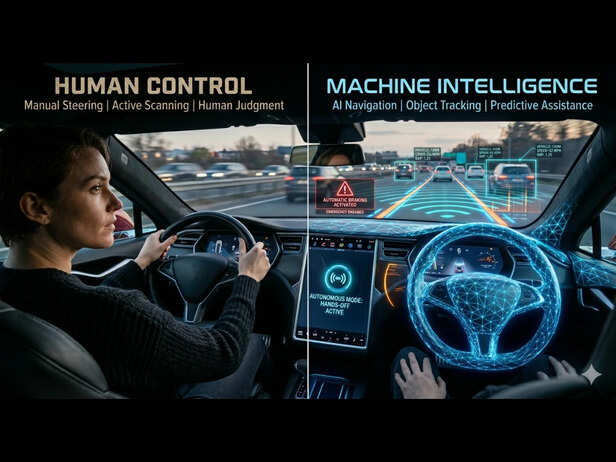
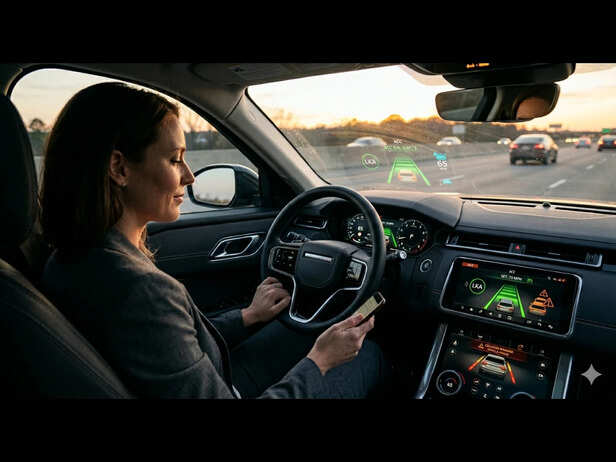
Ironically, the very systems that improve safety can also encourage risky behavior. Psychologists call this "risk compensation." When people feel more protected, they often become less cautious. Drivers who know their car can brake automatically may follow other vehicles more closely. Those using lane-keeping assist may glance at their phones because they believe the car will stay centered. Research has shown that prolonged use of driving aids can reduce active engagement with the road. Instead of constantly scanning mirrors, checking blind spots, and anticipating hazards, some drivers simply wait for the car to warn them. Over time, this passive style of driving can weaken natural defensive driving habits. The technology becomes a safety net, but the driver starts forgetting how to walk the tightrope.
One of the biggest misconceptions is that ADAS equals self-driving. It does not. Most vehicles sold today operate under partial automation. The driver remains legally and practically responsible for controlling the vehicle at all times. Yet marketing terms like "Autopilot," "ProPilot," or "Pilot Assist" often create unrealistic expectations. There have been several well-publicized crashes where drivers assumed the car could handle situations beyond its capabilities. Construction zones, faded lane markings, heavy rain, or unexpected obstacles can confuse camera and radar systems. When the technology suddenly disengages, the driver may have only a few seconds to react. If they have been mentally disconnected from the driving task, those seconds may not be enough. The biggest danger is not that the system fails. It is that humans stop paying attention because they think it never will.
![Can Smart Cars Make Drivers Lazy?]()
Think about skills people rarely use anymore because technology does the work for them. Many cannot remember phone numbers because smartphones store them. GPS has reduced our reliance on maps and spatial memory. Driving may be heading down a similar path. New generations of motorists are learning with cars that constantly correct mistakes. If lane assist nudges the steering wheel back, and parking sensors guide every maneuver, some drivers may never fully develop those skills independently. Experienced drivers often talk about "reading the road." It involves predicting what another driver might do, sensing danger before it happens, and making tiny adjustments based on experience. Machines can assist with these tasks, but they cannot completely replace human judgment, intuition, and adaptability. A driver who relies entirely on automation may struggle when technology is unavailable or suddenly fails.
The answer is not to reject ADAS. In fact, these systems will become even more advanced as the automotive industry moves toward higher levels of autonomous driving. The challenge lies in teaching drivers how to use the technology correctly. Experts increasingly argue that ADAS should be treated like a co-pilot rather than the pilot. Drivers need proper education about what these systems can and cannot do. Automakers also have a responsibility to market their technology honestly. Calling a partially automated system "self-driving" can create unrealistic confidence. The safest future is one where humans remain engaged while technology provides backup support. A good driver with good technology is far safer than either one working alone.
ADAS features are undoubtedly making roads safer, but they are also changing the relationship between humans and driving. The greatest risk is not that technology will replace people. It is that people may slowly surrender the skills that technology was meant to protect. Cars can detect obstacles, apply brakes, and warn of danger, but they cannot fully replace awareness, responsibility, and common sense. The future of driving will depend on balance. Technology should enhance human ability, not weaken it. Because no matter how intelligent a car becomes, the most important safety feature is still the person sitting behind the wheel.
Unlock insightful tips and inspiration on personal growth, productivity, and well-being. Stay motivated and updated with the latest atMy Life XP.
Safety Technology Is Saving Lives
When Technology Takes the Wheel
There is no denying that ADAS has transformed road safety. According to several global traffic studies, human error contributes to over 90 percent of road accidents. Fatigue, distraction, speeding, and poor judgment remain the biggest causes of crashes. Features like Automatic Emergency Braking can detect obstacles faster than a human reaction time. Blind Spot Monitoring reduces dangerous lane changes, while Adaptive Cruise Control helps maintain safe following distances during highway driving. For new drivers and elderly motorists, these systems can act like an extra pair of eyes. In emergency situations, they often make the difference between a close call and a serious collision. This technology was never designed to replace drivers. It was created to support them.
The Hidden Problem of Overconfidence
Human Instinct vs Artificial Intelligence
Ironically, the very systems that improve safety can also encourage risky behavior. Psychologists call this "risk compensation." When people feel more protected, they often become less cautious. Drivers who know their car can brake automatically may follow other vehicles more closely. Those using lane-keeping assist may glance at their phones because they believe the car will stay centered. Research has shown that prolonged use of driving aids can reduce active engagement with the road. Instead of constantly scanning mirrors, checking blind spots, and anticipating hazards, some drivers simply wait for the car to warn them. Over time, this passive style of driving can weaken natural defensive driving habits. The technology becomes a safety net, but the driver starts forgetting how to walk the tightrope.
Automation Can Create Dangerous Confusion
Are Driving Skills Slowly Disappearing?
Can Smart Cars Make Drivers Lazy?
Think about skills people rarely use anymore because technology does the work for them. Many cannot remember phone numbers because smartphones store them. GPS has reduced our reliance on maps and spatial memory. Driving may be heading down a similar path. New generations of motorists are learning with cars that constantly correct mistakes. If lane assist nudges the steering wheel back, and parking sensors guide every maneuver, some drivers may never fully develop those skills independently. Experienced drivers often talk about "reading the road." It involves predicting what another driver might do, sensing danger before it happens, and making tiny adjustments based on experience. Machines can assist with these tasks, but they cannot completely replace human judgment, intuition, and adaptability. A driver who relies entirely on automation may struggle when technology is unavailable or suddenly fails.
The Future Is Human and Machine Working Together
Smart Cars Need Smarter Drivers
Unlock insightful tips and inspiration on personal growth, productivity, and well-being. Stay motivated and updated with the latest atMy Life XP.