Was Hanuman Really Shiva’s Avatar? The Shocking Debate
Noopur Kumari | Jun 08, 2026, 07:00 IST
For centuries, millions of devotees have believed that Hanuman Ji is an incarnation of Lord Shiva. It is one of the most popular beliefs in Hindu tradition. But what if the story is more complex than most people realize? Some scholars argue that the earliest scriptures tell a different story. They point to ancient texts where Hanuman is described as the son of Vayu and connected to Rudra in a way that may not mean Shiva at all. This fascinating debate reveals how mythology, scripture, and interpretation often take different paths through history.

Few figures in Hindu tradition are loved as deeply as Hanuman Ji. His devotion, strength, and unwavering loyalty to Lord Rama have inspired generations. Yet hidden beneath this universal admiration lies a fascinating question that continues to spark debate among scholars and devotees alike. Was Hanuman Ji truly an avatar of Lord Shiva? Or is that belief a later interpretation that developed over time? The answer depends on which texts you read, how you interpret the word "Rudra," and whether you prioritize Puranic traditions or earlier scriptures. The deeper you explore, the more surprising the story becomes.
![Hanuman and Shiva in Popular Tradition]()
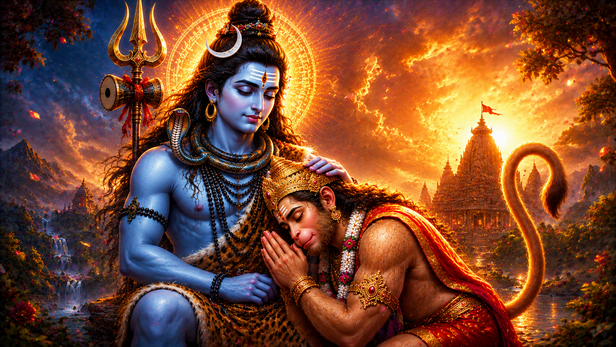
Ask most devotees about Hanuman Ji's origin, and many will confidently say that he is an incarnation of Lord Shiva. This belief is deeply rooted in popular Hindu tradition and is especially emphasized in later devotional literature. The idea portrays Hanuman as Shiva taking form to assist Lord Rama during his earthly mission. Over centuries, this interpretation became widely accepted because it beautifully connects two of Hinduism's most beloved deities. For many devotees, this belief is less about historical evidence and more about spiritual symbolism and devotion.
What the Earliest
![Searching the Original Text]()
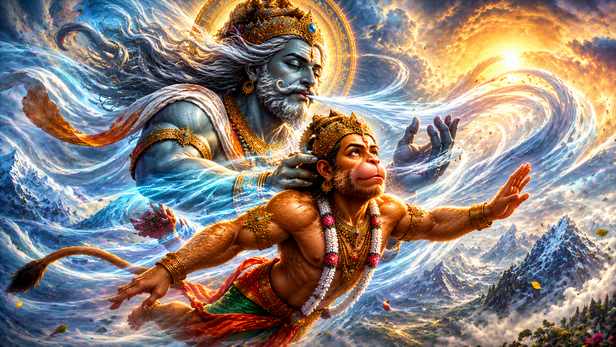
When readers turn to the Ramayana attributed to Valmiki, they encounter a different picture. Hanuman is consistently described as the son of Vayu, the wind god. While his divine nature is acknowledged, the text does not explicitly declare him to be an incarnation of Lord Shiva. This distinction has become central to scholarly discussions. Many researchers argue that if such a significant identity were intended in the earliest narrative, it would likely have been stated directly. This absence has fueled centuries of debate.
Much of the controversy revolves around the word "Rudra." In later Hindu traditions, Rudra is commonly identified with Lord Shiva. However, Vedic literature presents a more complex picture. Some interpretations suggest that Rudra can refer to multiple divine manifestations or powers. Certain scholars point out that Vayu and Rudra share symbolic connections in ancient texts. Therefore, references to Hanuman as a Rudra-amsha may not automatically mean that he was a direct incarnation of Shiva. This linguistic and theological nuance lies at the heart of the discussion.
The belief in Hanuman as Shiva's avatar gained significant prominence through later texts, particularly the Shiva Purana and various regional traditions. As Hindu philosophy evolved, many traditions sought to highlight the interconnectedness of different deities. Presenting Hanuman as a manifestation of Shiva strengthened the spiritual bond between Shaivism and Ram devotion. Over time, this interpretation became deeply embedded in popular culture, temple traditions, and devotional teachings. What began as one interpretation gradually became a widely accepted belief among millions.
At first glance, this debate may seem purely academic. Yet it raises important questions about how sacred traditions develop and evolve. Hinduism has always embraced multiple perspectives rather than a single fixed narrative. One tradition may emphasize Hanuman as the son of Vayu, while another celebrates him as Shiva's incarnation. Both perspectives coexist because Hindu thought often values spiritual meaning alongside historical interpretation. The discussion reminds us that understanding scripture requires both faith and careful study.
Regardless of how one interprets his divine identity, Hanuman Ji's virtues remain undisputed. His humility, courage, wisdom, devotion, and selfless service continue to inspire people across the world. Whether viewed as Vayu's son, Rudra's aspect, or Shiva's avatar, his life teaches timeless lessons about loyalty and spiritual strength. The power of Hanuman's story lies not only in where he came from but in what he represents. His example continues to guide seekers regardless of theological differences.
Perhaps the greatest lesson from this debate is that spiritual understanding is often deeper than simple answers. Ancient texts, traditions, and interpretations can reveal different dimensions of the same truth. Instead of viewing these perspectives as contradictions, they can be seen as complementary ways of understanding a beloved divine figure. The search for truth becomes meaningful when approached with humility, curiosity, and respect. In that sense, the debate about Hanuman Ji's origin becomes a reminder that wisdom begins where certainty ends.
Unlock insightful tips and inspiration on personal growth, productivity, and well-being. Stay motivated and updated with the latest at My Life XP.
1. Is Hanuman Ji considered an avatar of Lord Shiva?
Many Hindu traditions, especially those influenced by the Shiva Purana, regard Hanuman as an incarnation or aspect of Shiva. However, this interpretation is not explicitly stated in every ancient scripture, which is why the topic remains a subject of discussion.
2. What does the Ramayana say about Hanuman Ji's origin?
In the Ramayana, Hanuman is primarily described as the son of Vayu, the wind god, and Anjana. The text highlights his divine birth and extraordinary powers but does not directly identify him as an avatar of Shiva.
3. Why is Hanuman Ji called a Rudra Avatar?
Some traditions refer to Hanuman as a Rudra Avatar because he is associated with the energy of Rudra. Later devotional literature often equates Rudra with Shiva, leading many devotees to view Hanuman as a manifestation of Shiva.
4. What is the connection between Rudra and Vayu?
In certain Vedic interpretations, Rudra and Vayu share symbolic and theological connections related to life force, movement, and cosmic energy. Some scholars argue that references to Rudra in relation to Hanuman may point to these associations rather than a direct incarnation of Shiva.
5. Which scriptures describe Hanuman as Shiva's avatar?
The belief is prominently found in later Puranic literature, particularly the Shiva Purana and various regional traditions that emphasize the spiritual connection between Shiva and Hanuman.
The Belief Most People Know
Hanuman and Shiva in Popular Tradition
Ask most devotees about Hanuman Ji's origin, and many will confidently say that he is an incarnation of Lord Shiva. This belief is deeply rooted in popular Hindu tradition and is especially emphasized in later devotional literature. The idea portrays Hanuman as Shiva taking form to assist Lord Rama during his earthly mission. Over centuries, this interpretation became widely accepted because it beautifully connects two of Hinduism's most beloved deities. For many devotees, this belief is less about historical evidence and more about spiritual symbolism and devotion.
What the Earliest Ramayana Says
Searching the Original Text
When readers turn to the Ramayana attributed to Valmiki, they encounter a different picture. Hanuman is consistently described as the son of Vayu, the wind god. While his divine nature is acknowledged, the text does not explicitly declare him to be an incarnation of Lord Shiva. This distinction has become central to scholarly discussions. Many researchers argue that if such a significant identity were intended in the earliest narrative, it would likely have been stated directly. This absence has fueled centuries of debate.
The Mystery Hidden in the Word Rudra
How the Shiva Avatar Tradition Emerged
Why the Debate Still Matters
The Qualities Everyone Agrees On
What This Story Teaches Us Today
Unlock insightful tips and inspiration on personal growth, productivity, and well-being. Stay motivated and updated with the latest at My Life XP.
Frequently Asked Questions (FAQs)
Many Hindu traditions, especially those influenced by the Shiva Purana, regard Hanuman as an incarnation or aspect of Shiva. However, this interpretation is not explicitly stated in every ancient scripture, which is why the topic remains a subject of discussion.
2. What does the Ramayana say about Hanuman Ji's origin?
In the Ramayana, Hanuman is primarily described as the son of Vayu, the wind god, and Anjana. The text highlights his divine birth and extraordinary powers but does not directly identify him as an avatar of Shiva.
3. Why is Hanuman Ji called a Rudra Avatar?
Some traditions refer to Hanuman as a Rudra Avatar because he is associated with the energy of Rudra. Later devotional literature often equates Rudra with Shiva, leading many devotees to view Hanuman as a manifestation of Shiva.
4. What is the connection between Rudra and Vayu?
In certain Vedic interpretations, Rudra and Vayu share symbolic and theological connections related to life force, movement, and cosmic energy. Some scholars argue that references to Rudra in relation to Hanuman may point to these associations rather than a direct incarnation of Shiva.
5. Which scriptures describe Hanuman as Shiva's avatar?
The belief is prominently found in later Puranic literature, particularly the Shiva Purana and various regional traditions that emphasize the spiritual connection between Shiva and Hanuman.