What Every First-Time Car Owner Should Know
Rangnai Tara | Jun 19, 2026, 13:55 IST
Buying your first car is an exciting milestone, but ownership comes with responsibilities that many new drivers do not fully understand. This article covers the essentials every first-time car owner should know, including routine maintenance, insurance, budgeting, safe driving habits, and ways to protect the value of a vehicle. Understanding these basics can help new owners avoid costly mistakes and enjoy a safer, more reliable driving experience.

Owning a car for the first time is a major achievement. It brings freedom, convenience, and the ability to travel on your own schedule. However, many new car owners quickly discover that buying a vehicle is only the beginning. Keeping it in good condition, managing expenses, and driving responsibly are all part of the ownership experience.
Whether you purchased a brand-new vehicle or a used one, understanding the basics of car ownership can save money, reduce stress, and help your vehicle last longer. Here are the most important things every first-time car owner should know.
![Read the Owner's Manual]()
Many drivers place the owner's manual in the glove compartment and never open it. This is one of the biggest mistakes a new car owner can make.
The manual contains valuable information about your vehicle, including:
Routine Maintenance Matters More Than You Think
![Routine Maintenance Matters More Than You Think]()
Cars require regular maintenance to perform reliably. Skipping routine service can lead to expensive repairs in the future.
Some of the most important maintenance tasks include:
Engine oil lubricates moving parts and helps prevent wear. Over time, oil breaks down and becomes less effective. Following the manufacturer's recommended oil change schedule helps keep the engine healthy.
Tires affect safety, fuel efficiency, and driving comfort. Check tire pressure regularly and inspect tires for uneven wear. Properly inflated tires can improve handling and extend tire life.
Brakes are one of the most important safety systems in a vehicle. If you hear squealing noises, feel vibrations, or notice reduced stopping power, have them inspected immediately.
Cars rely on several fluids, including:
![Understand Dashboard Warning Lights]()
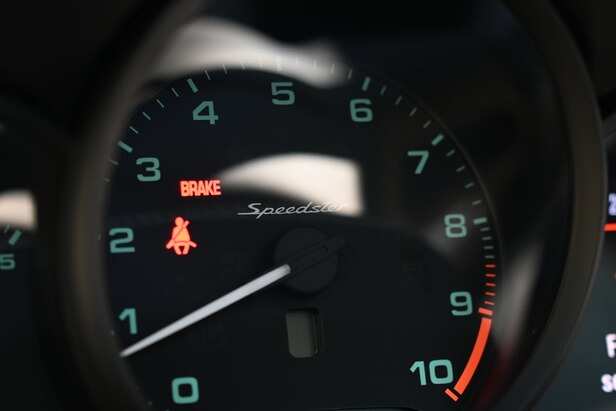
Modern vehicles are equipped with warning lights designed to alert drivers when something needs attention.
Common warning lights include:
Many first-time buyers focus only on the purchase price or loan payment. In reality, owning a car involves several ongoing expenses.
These may include:
Car insurance is more than a legal requirement in many places. It also protects you financially in the event of accidents, theft, or damage.
When selecting insurance:
You do not need to become a mechanic, but every car owner should know a few basic skills.
These include:
How you drive affects your vehicle's lifespan.
Aggressive driving can increase wear on:
Maintaining a record of repairs and services can be extremely valuable.
Service records help you:
Do Not Ignore Strange Sounds or Smells
Cars often provide warning signs before a major problem develops.
Pay attention to:
Protect Your Car's Exterior and Interior
A vehicle's appearance affects both enjoyment and resale value.
Simple ways to protect your car include:
Fuel costs can add up quickly, especially for new drivers.
To improve fuel economy:
Every vehicle should contain a basic emergency kit.
Useful items include:
Some maintenance tasks are suitable for do-it-yourself owners, while others require professional expertise.
Seek professional assistance for:
A car is one of the larger purchases many people make. Protecting its value should be a priority.
To maintain resale value:
First-time car ownership is about more than driving from one place to another. It involves learning how to care for a valuable asset, manage ongoing expenses, and develop habits that keep both the driver and vehicle safe.
The good news is that most car problems can be prevented through routine maintenance, responsible driving, and a basic understanding of how your vehicle works. By staying proactive rather than reactive, first-time owners can avoid many common mistakes and enjoy years of dependable transportation.
A car that receives proper care will not only perform better but will also cost less to own over time. For new drivers, that knowledge can make the journey into car ownership far more rewarding and far less stressful.
Unlock insightful tips and inspiration on personal growth, productivity, and well-being. Stay motivated and updated with the latest at My Life XP.
Whether you purchased a brand-new vehicle or a used one, understanding the basics of car ownership can save money, reduce stress, and help your vehicle last longer. Here are the most important things every first-time car owner should know.
Read the Owner's Manual

Read the Owner's Manual
Many drivers place the owner's manual in the glove compartment and never open it. This is one of the biggest mistakes a new car owner can make.
The manual contains valuable information about your vehicle, including:
- Recommended maintenance schedules
- Tire pressure specifications
- Dashboard warning lights
- Fuel requirements
- Fluid recommendations
- Safety features and operating instructions
Routine Maintenance Matters More Than You Think
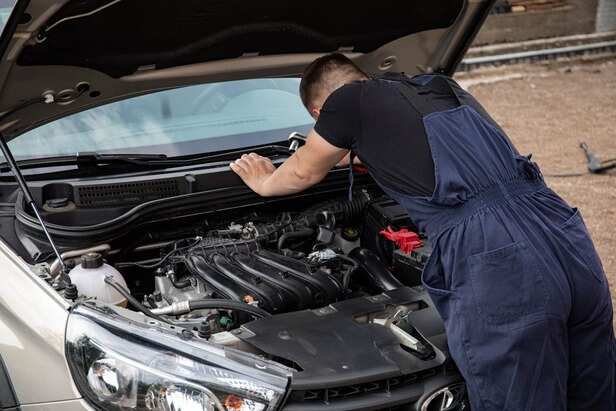
Routine Maintenance Matters More Than You Think
Cars require regular maintenance to perform reliably. Skipping routine service can lead to expensive repairs in the future.
Some of the most important maintenance tasks include:
Oil Changes
Engine oil lubricates moving parts and helps prevent wear. Over time, oil breaks down and becomes less effective. Following the manufacturer's recommended oil change schedule helps keep the engine healthy.
Tire Care
Tires affect safety, fuel efficiency, and driving comfort. Check tire pressure regularly and inspect tires for uneven wear. Properly inflated tires can improve handling and extend tire life.
Brake Inspections
Brakes are one of the most important safety systems in a vehicle. If you hear squealing noises, feel vibrations, or notice reduced stopping power, have them inspected immediately.
Fluid Checks
- Engine oil
- Coolant
- Brake fluid
- Transmission fluid
- Windshield washer fluid
Understand Dashboard Warning Lights
Understand Dashboard Warning Lights
Modern vehicles are equipped with warning lights designed to alert drivers when something needs attention.
Common warning lights include:
- Check engine light
- Oil pressure warning
- Battery warning
- Tire pressure warning
- Brake system warning
Budget Beyond the Monthly Payment
Many first-time buyers focus only on the purchase price or loan payment. In reality, owning a car involves several ongoing expenses.
These may include:
- Fuel
- Insurance
- Maintenance
- Repairs
- Registration fees
- Parking costs
- Car washes and detailing
Choose Insurance Carefully
Car insurance is more than a legal requirement in many places. It also protects you financially in the event of accidents, theft, or damage.
When selecting insurance:
- Compare quotes from multiple providers
- Understand deductibles and coverage limits
- Consider roadside assistance options
- Review policy details carefully
Learn Basic Car Care Skills
You do not need to become a mechanic, but every car owner should know a few basic skills.
These include:
- Checking tire pressure
- Adding windshield washer fluid
- Jump-starting a battery
- Replacing wiper blades
- Checking engine oil levels
Develop Good Driving Habits
How you drive affects your vehicle's lifespan.
Aggressive driving can increase wear on:
- Tires
- Brakes
- Suspension components
- Engine parts
- Smooth acceleration
- Gentle braking
- Maintaining safe following distances
- Avoiding excessive speeding
- Paying attention to road conditions
Keep Track of Maintenance Records
Maintaining a record of repairs and services can be extremely valuable.
Service records help you:
- Stay on top of maintenance schedules
- Track recurring issues
- Improve resale value
- Provide proof of proper care to future buyers
Do Not Ignore Strange Sounds or Smells
Cars often provide warning signs before a major problem develops.
Pay attention to:
- Grinding noises
- Squealing brakes
- Knocking sounds
- Burning smells
- Unusual vibrations
Protect Your Car's Exterior and Interior
A vehicle's appearance affects both enjoyment and resale value.
Simple ways to protect your car include:
- Washing it regularly
- Removing bird droppings promptly
- Applying protective wax when appropriate
- Vacuuming the interior
- Using sunshades in hot weather
Understand Fuel Efficiency
Fuel costs can add up quickly, especially for new drivers.
To improve fuel economy:
- Maintain proper tire pressure
- Avoid unnecessary idling
- Remove excess weight from the vehicle
- Drive smoothly
- Follow maintenance schedules
Prepare for Emergencies
Every vehicle should contain a basic emergency kit.
Useful items include:
- Flashlight
- First-aid kit
- Phone charger
- Jumper cables
- Tire pressure gauge
- Drinking water
- Emergency contact information
Know When Professional Help Is Needed
Some maintenance tasks are suitable for do-it-yourself owners, while others require professional expertise.
Seek professional assistance for:
- Brake repairs
- Engine problems
- Transmission issues
- Electrical faults
- Airbag system repairs
Think About Long-Term Value
A car is one of the larger purchases many people make. Protecting its value should be a priority.
To maintain resale value:
- Follow maintenance schedules
- Keep service records
- Repair damage promptly
- Avoid modifications that may reduce buyer interest
- Keep the vehicle clean and well-maintained
Making Car Ownership Easier
First-time car ownership is about more than driving from one place to another. It involves learning how to care for a valuable asset, manage ongoing expenses, and develop habits that keep both the driver and vehicle safe.
The good news is that most car problems can be prevented through routine maintenance, responsible driving, and a basic understanding of how your vehicle works. By staying proactive rather than reactive, first-time owners can avoid many common mistakes and enjoy years of dependable transportation.
A car that receives proper care will not only perform better but will also cost less to own over time. For new drivers, that knowledge can make the journey into car ownership far more rewarding and far less stressful.
Unlock insightful tips and inspiration on personal growth, productivity, and well-being. Stay motivated and updated with the latest at My Life XP.