The moment hot water hits tired shoulders, something in the body settles. Muscles loosen, breathing slows, the day's accumulated tension finds somewhere to go. It is a genuinely physical response, not imagination. The problem is that the same temperature doing that for your nervous system is doing something quite different to the surface of your skin, and the two things are working against each other in a way that only becomes visible an hour after you towel off.
What the Skin Barrier Actually Is
![Creamy Hydration Ritual]()
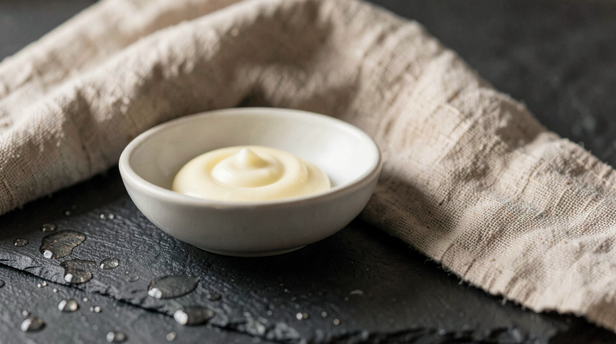
Creamy Hydration Ritual
Image credit : MyLifeXP Bureau
The outermost layer of skin is not a smooth wall. It is more like a brick-and-mortar structure: flattened, dead skin cells stacked in overlapping rows, held together by a matrix of lipids, ceramides, fatty acids, cholesterol, that sit in the spaces between them. This lipid matrix is what stops water from evaporating out of the skin and stops irritants from getting in. It is, in the most literal sense, what keeps skin feeling soft and intact. The barrier does not generate moisture. It retains it. That distinction matters for everything that follows.
What Heat Does to That Structure
Lipids melt at relatively low temperatures. The lipids in the skin barrier are no exception. Hot water, anything above roughly 40 degrees Celsius, which is well below what most people would call a hot shower, begins to dissolve the mortar between those skin-cell bricks. The longer the exposure, the more completely the lipid matrix is disrupted. This is also exactly what happens when you wash dishes without gloves: the combination of heat and surfactant strips the barrier from the hands faster than anywhere else on the body. A shower does the same thing, more slowly, across a larger surface area. The skin does not immediately signal distress because the nerve endings that register temperature are reporting comfort, not damage. The barrier disruption is silent.
Why You Feel Soft in the Shower and Tight Thirty Minutes Later
During the shower, skin is saturated with water. Cells swell slightly, the surface feels plump, and there is no tightness because moisture is everywhere. This is called transient hydration, and it is real, but it is borrowed. Once you step out, the water on the surface begins to evaporate. Under normal circumstances, the lipid barrier slows that evaporation to a manageable rate. After a hot shower, the barrier has been partially stripped, so evaporation happens faster than the skin can compensate. The result is a net moisture loss that leaves skin drier than it was before you got in. The tightness, the faint flakiness that appears by evening, the way moisturiser seems to sink in and vanish, all of it is the barrier trying to recover without the tools to do it quickly.
The Role of Soap and Time
![Golden Hour Oil Dropper]()
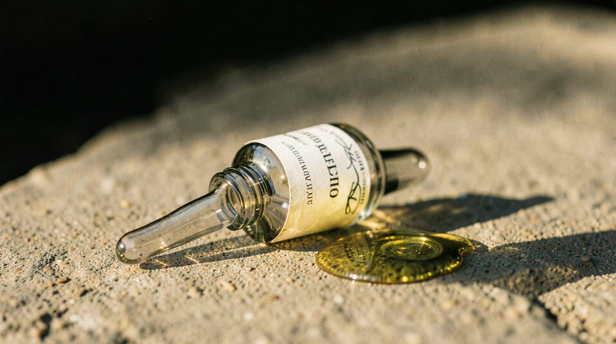
Golden Hour Oil Dropper
Image credit : MyLifeXP Bureau
Hot water alone disrupts the barrier. Soap and body wash accelerate the process, because most surfactants are designed to lift oils away from surfaces, and they do not distinguish between the oils you want removed and the lipids you need to keep. A long, hot shower with a strongly fragranced body wash is the most efficient way to strip the barrier that exists in everyday life. The duration matters as much as the temperature: a five-minute cool shower causes measurably less disruption than a fifteen-minute hot one, even with the same product. Skin that is already compromised, dry climates, air-conditioned environments, older skin where lipid production has slowed, recovers more slowly from each exposure.
What Actually Helps
The fix is not to stop showering or to endure cold water. It is to close the window between stripping and resealing as tightly as possible. Applying a body moisturiser within three minutes of stepping out, while skin is still slightly damp, traps the remaining surface water and gives the barrier something to work with while it rebuilds. The ingredient doing the most work here is an emollient: shea butter, mineral oil, squalane, or a ceramide-containing lotion. Humectants like glycerin help draw moisture in, but without an emollient layer on top, they pull moisture from inside the skin rather than from the air in dry conditions, which makes things worse. A slightly cooler final rinse before stepping out causes a small amount of vasoconstriction in the skin surface, which slows evaporation slightly and gives you a marginally longer window. It is a small effect, but it costs nothing.
The hot shower is not the enemy, and giving it up is not the point. The biology simply means that the after-shower routine matters more than most people treat it, not as an optional extra but as the second half of the same process. The shower opens the barrier; what you do in the next three minutes determines how much of that disruption becomes the tight, dull skin you feel by afternoon.
Unlock insightful tips and inspiration on personal growth, productivity, and well-being. Stay motivated and updated with the latest at
My Life XP.