5 Indian Ingredients That Taste Completely Different When They're Roasted
Palak Khanna | Jul 23, 2026, 11:42 IST
Roasting is one of the oldest cooking techniques in Indian kitchens, yet it often goes unnoticed. A few minutes over heat can completely transform the taste, aroma, texture, and even the role of an ingredient in a dish. From spices that become nuttier to grains that develop a richer flavor, roasting unlocks hidden qualities that raw ingredients simply cannot offer. Here are five Indian staples that become almost unrecognizable after roasting.

5 Indian Ingredients That Taste Completely Different When They're Roasted
Image credit : Chatgpt (AI)
There is something magical about the smell of ingredients roasting in an Indian kitchen. It fills the air with warmth, nostalgia, and anticipation. Grandmothers have relied on this simple technique for generations, not just because it enhances flavor but because it changes the entire personality of an ingredient. Roasting reduces raw bitterness, releases natural oils, intensifies sweetness, and creates deeper, earthier notes. That is why many traditional recipes insist on roasting before grinding, mixing, or cooking. Here are five everyday Indian ingredients that prove how a little heat can create a completely different taste experience.
![Why Roasted Cumin Tastes So Much Better Than Raw]()
Raw cumin has a sharp, grassy flavor that can sometimes feel overpowering. Roast it lightly on a dry pan, and everything changes. As the seeds heat up, their essential oils are released, creating a warm, nutty aroma with subtle smoky notes. This is why freshly roasted cumin powder tastes far richer than the packaged version. Whether sprinkled over curd, added to chaats, mixed into raita, or blended into spice mixes, roasted cumin brings a mellow complexity that raw cumin simply cannot match. It is one of the easiest ways to make everyday dishes taste restaurant worthy.
![The Secret Behind Besan's Rich, Buttery Flavor]()
Anyone who has accidentally tasted uncooked gram flour knows it has a raw, earthy flavor. But roasting transforms it completely. As besan slowly cooks, it develops a deep golden color and releases an irresistible nutty fragrance. The texture also becomes smoother and silkier, making it ideal for sweets like laddoos and barfi. Roasted gram flour also gives kadhi, gravies, and snacks a richer body without tasting heavy. This simple change is the secret behind many classic Indian recipes.
![How Roasting Unlocks the Best Flavor in Sesame and Peanuts]()
Raw sesame seeds have a mild taste that often fades into the background. A gentle roast unlocks their hidden sweetness. The seeds become crisp, aromatic, and wonderfully nutty while developing a satisfying crunch. Their natural oils emerge, giving them a richer mouthfeel and a deeper flavor. That is why roasted sesame is used in til laddoos, chutneys, spice powders, and festive treats across India. Even a spoonful over vegetables or salads can completely transform the dish.
Raw coriander seeds have a fresh, slightly lemony flavor, but roasting adds an entirely new dimension. The heat softens their sharpness while enhancing their natural citrus notes and introducing a gentle warmth. They become fragrant without overpowering other spices, making them a backbone of countless Indian masalas. Freshly roasted coriander seeds ground at home deliver a brightness and freshness that pre ground powders often lose over time.
Peanuts are enjoyable even when raw, but roasting unlocks their true potential. As they roast, their natural sugars caramelize slightly, creating a richer, fuller taste. The skins loosen, the crunch improves, and the nut develops a satisfying roasted aroma. Roasted peanuts are a staple in Indian chutneys, poha, snacks, chikkis, and salads because they add both texture and depth. It is hard to imagine many regional dishes without their unmistakable roasted flavor.
Roasting is proof that great cooking does not always require complicated techniques. Sometimes, a few extra minutes over gentle heat are enough to reveal an ingredient's hidden personality. From cumin that becomes smoky to sesame that turns naturally sweet and peanuts that gain irresistible crunch, roasting transforms ordinary pantry staples into something memorable. It is one of the simplest kitchen traditions that continues to shape the bold, layered flavors Indian food is celebrated for around the world.
Unlock insightful tips and inspiration on personal growth, productivity, and well-being. Stay motivated and updated with the latest atMy Life XP.
Cumin Seeds Become Warm, Nutty, and Smoky
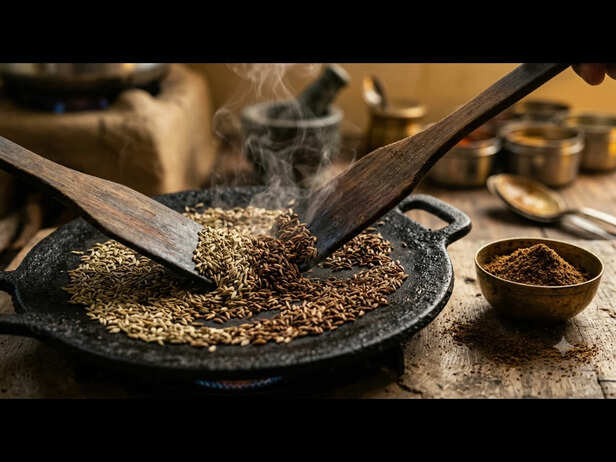
Why Roasted Cumin Tastes So Much Better Than Raw
Image credit : Gemini (AI)
Raw cumin has a sharp, grassy flavor that can sometimes feel overpowering. Roast it lightly on a dry pan, and everything changes. As the seeds heat up, their essential oils are released, creating a warm, nutty aroma with subtle smoky notes. This is why freshly roasted cumin powder tastes far richer than the packaged version. Whether sprinkled over curd, added to chaats, mixed into raita, or blended into spice mixes, roasted cumin brings a mellow complexity that raw cumin simply cannot match. It is one of the easiest ways to make everyday dishes taste restaurant worthy.
Gram Flour Loses Its Raw Taste and Turns Richly Buttery
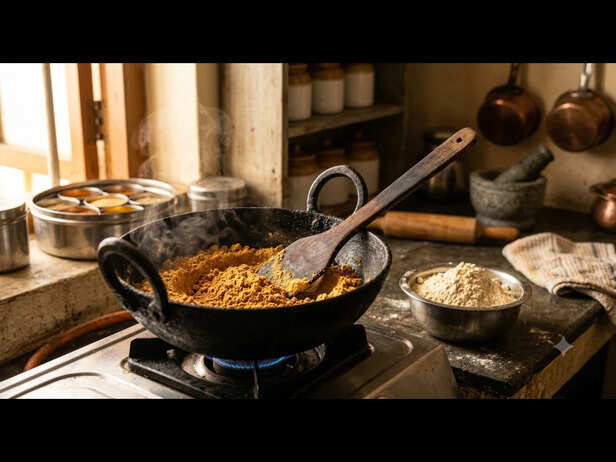
The Secret Behind Besan's Rich, Buttery Flavor
Image credit : Gemini (AI)
Anyone who has accidentally tasted uncooked gram flour knows it has a raw, earthy flavor. But roasting transforms it completely. As besan slowly cooks, it develops a deep golden color and releases an irresistible nutty fragrance. The texture also becomes smoother and silkier, making it ideal for sweets like laddoos and barfi. Roasted gram flour also gives kadhi, gravies, and snacks a richer body without tasting heavy. This simple change is the secret behind many classic Indian recipes.
Sesame Seeds Become Sweet and Crunchy
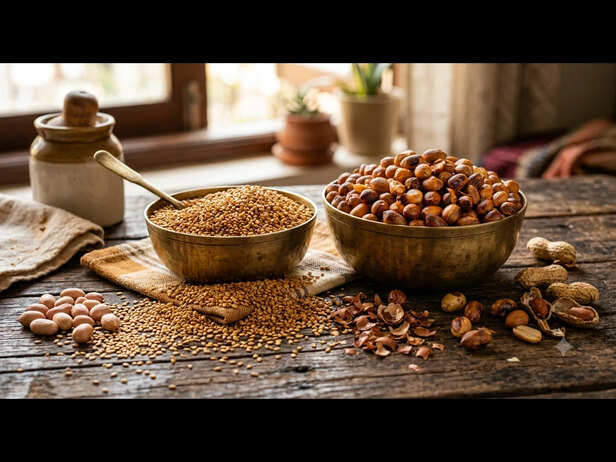
How Roasting Unlocks the Best Flavor in Sesame and Peanuts
Image credit : Gemini (AI)
Raw sesame seeds have a mild taste that often fades into the background. A gentle roast unlocks their hidden sweetness. The seeds become crisp, aromatic, and wonderfully nutty while developing a satisfying crunch. Their natural oils emerge, giving them a richer mouthfeel and a deeper flavor. That is why roasted sesame is used in til laddoos, chutneys, spice powders, and festive treats across India. Even a spoonful over vegetables or salads can completely transform the dish.
Coriander Seeds Turn Citrusy Yet Deeply Aromatic
Peanuts Become Richer, Crispier, and More Flavorful
A Little Heat Can Unlock Extraordinary Flavor
Unlock insightful tips and inspiration on personal growth, productivity, and well-being. Stay motivated and updated with the latest atMy Life XP.