Most of what a cook throws out is not waste in any meaningful sense. It is the part of the vegetable that did not fit the dish being made, the fibrous stem, the papery skin, the leafy top that came bundled with the root. These parts are structurally different from the flesh, which is why they behave differently in heat. Understanding that difference is the whole skill.
Carrot Tops and Radish Leaves Are Bitter on Purpose
![Green Chutney & Fresh Greens]()
Green Chutney & Fresh Greens
Image credit : MyLifeXP Bureau
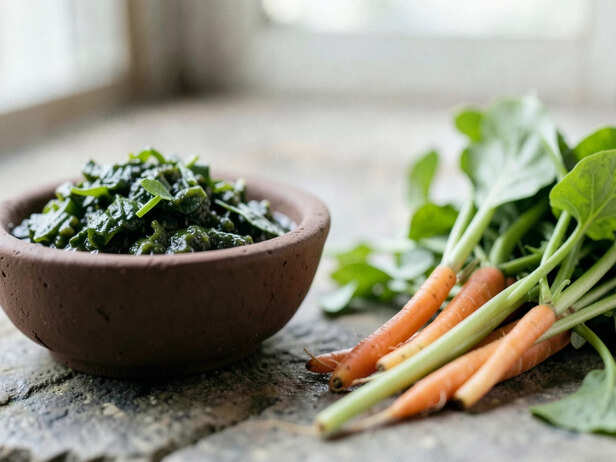
Carrot tops taste sharp and faintly medicinal because they contain compounds the plant uses to deter insects. That bitterness is not a defect, it is a flavour, and it works the same way methi or curry leaves work: as a counterpoint to fat and sweetness. Blanch the tops briefly in salted water, squeeze them dry, and blend them with coconut, green chilli, and a little tamarind. The result is a chutney that has more character than one made from coriander alone. Radish leaves are milder and wilt quickly; they go into a dal or a stir-fry at the end, the same way you would use spinach. The leaves of turnips and beetroot work the same way. The rule is: if the leaf is green and not slimy, it can be cooked.
Onion Skins and Tomato Cores Build Colour in Stock
The papery outer skins of onions contain concentrated colour and a mild sweetness that transfers entirely into liquid. A stock made with unskinned onions, halved and charred cut-side down in a dry pan first, turns a deep amber that looks like it has been cooking for hours. The char adds a roasted note that a peeled onion cannot give. Tomato cores and seeds, which most recipes ask you to discard, carry the highest concentration of glutamates in the whole fruit. They go directly into the pot. Corn cobs stripped of their kernels simmer into a stock that is faintly sweet and works well as the base for a khichdi or a thin soup. None of this requires a separate stock-making session: keep a container in the freezer, add scraps as they accumulate, and simmer a batch when the container is full.
Citrus Peel Does Three Different Things Depending on How You Use It
![Kitchen Scraps Still Life]()
Kitchen Scraps Still Life
Image credit : MyLifeXP Bureau
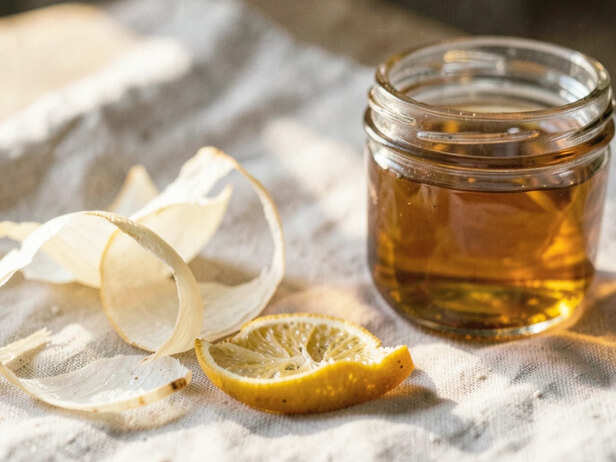
The white pith beneath citrus peel is bitter and worth avoiding in most applications. The coloured outer layer, the zest, is where the flavour lives, in oils that are released by heat or by pressure. Dried lemon or orange peel ground into a powder goes into marinades and spice blends. Simmered in sugar syrup with a split cardamom pod, the peel becomes a preserve that works on bread or stirred into yoghurt. Burnt over a direct flame and dropped into a pot of water, it gives the water a faint smokiness that is useful in a tamarind-based curry. Watermelon rind, once the green outer skin is removed, behaves like a mild gourd. It absorbs spice readily and holds its texture through a full cook, mustard seeds, curry leaves, a little jaggery, and the rind becomes a sabzi that most people cannot identify by sight.
Broccoli Stems and Cauliflower Leaves Are Denser Than the Florets
Broccoli stems are not tougher than the florets, they are denser, which means they need more time or more heat. Peeled of their fibrous outer layer with a vegetable peeler, the inner stem is mild and slightly sweet. Cut into thin coins and tossed in a hot pan with mustard seeds and coconut, they cook in about the same time as a thin-sliced carrot. Cauliflower leaves, which are often the first thing removed and discarded, are sturdier than cabbage and take a dry roast well. Toss them with oil and salt, spread them flat on a tray, and roast until the edges crisp. They behave like kale chips but with a faint cauliflower flavour underneath. The inner core of a cabbage, which most cooks cut out because it is harder than the leaves, softens completely with enough time and is indistinguishable from the rest once the dish is done.
Herb Stems Carry the Same Oils as the Leaves
Coriander stems are not milder than the leaves, they are more intensely flavoured, because the oils are more concentrated in a smaller surface area. They go into a marinade, a paste, or a chutney base anywhere the leaves would go. The stems of curry leaves are woody and not worth eating, but they release flavour into hot oil just as the leaves do and can be fished out before serving. Mint stems are softer and work in a raita or a drink. The general principle: if the stem is not woody, it carries the same flavour compounds as the leaf and can replace it in any cooked application. In raw applications, a salad, a garnish, the texture difference matters more, and the leaf is the better choice.
The habit of discarding a vegetable's outer layers is partly practical and partly inherited from a time when abundance made it easy. The stems, skins, and tops that most kitchens bin are not lesser versions of the flesh, they are different parts with different structures, different concentrations of flavour, and different responses to heat. Learning what each one does is the same skill as learning what a new spice does: one application at a time, until it becomes obvious.
Unlock insightful tips and inspiration on personal growth, productivity, and well-being. Stay motivated and updated with the latest at
My Life XP.