Tuberculosis (TB) is often associated with persistent coughing, fever, night sweats and unexplained weight loss. However, not everyone infected with the bacteria experiences these symptoms. In some cases, TB bacteria can remain inactive inside the body for years without causing noticeable illness. This condition is known as latent tuberculosis infection.
But does having no symptoms mean you are completely safe? Not necessarily. Latent TB can sometimes become active, particularly when the immune system becomes weakened. Understanding the difference between latent and active TB, recognising potential warning signs and knowing when to get tested can help prevent serious complications. This article explores how tuberculosis can remain hidden, how doctors detect it and why early diagnosis matters
How TB Can Hide in Your Body: Latent vs. Active TB
![Hidden symptoms of tuberculosis]()
Hidden symptoms of tuberculosis
Image credit : Freepik
Tuberculosis is caused by a bacterium called
Mycobacterium tuberculosis. It usually affects the lungs, though it can also impact other parts of the body like the kidneys, spine, or brain. When you breathe in these bacteria, your body’s immune system steps in to fight them. What happens next determines whether you know you have TB or not.
Doctors divide TB into two main stages:
Latent TB Infection and
Active TB Disease.
1. Latent TB Infection (Inactive TB)
If your immune system is strong, it can trap the TB bacteria and stop them from growing. The bacteria remain alive in your body, but they are completely inactive—almost like they are asleep.
When you have latent TB:
- You have no symptoms: You will not have a cough, fever, or any pain. You feel completely healthy.
- You cannot spread it: Because the bacteria are inactive, you cannot pass TB to your family, friends, or coworkers.
- It still shows up on tests: A TB skin test or blood test will come back positive, showing that the bacteria are present in your body.
2. Active TB Disease
Sometimes, the immune system cannot keep the bacteria trapped. They wake up, start multiplying, and attack the lungs or other organs. This is called active TB disease.
Even with active TB, the early symptoms can be very mild. A person might have a slight cough or feel a little more tired than usual for weeks or months before realizing something is seriously wrong. Unlike latent TB, active TB in the lungs
can spread to other people through the air when the infected person coughs, sneezes, or speaks.
Quick Comparison: Latent vs. Active TB
| Feature | Latent TB Infection | Active TB Disease |
| Bacteria Status | Alive, but inactive ("asleep") | Alive, active, and multiplying |
| Symptoms | None—you feel completely fine | Mild to severe (cough, fever, weight loss) |
| Contagious? | No, cannot spread to others | Yes, can spread through the air |
| Skin / Blood Test | Positive | Positive |
| Chest X-Ray | Usually normal | Usually shows signs of infection |
Why Does Latent TB Turn Active?
For most people with latent TB, the bacteria stay inactive for their entire lives and never cause illness. However, in about
5% to 10% of cases, the bacteria eventually become active.
This usually happens when your immune system gets weak and can no longer hold the bacteria back. Your risk of latent TB turning into active TB is higher if you:
- Have HIV or AIDS
- Have diabetes
- Have severe kidney disease
- Are undergoing cancer treatments like chemotherapy
- Take medicines that lower your immune system (such as steroids or drugs for autoimmune diseases)
- Are very young (infants and young children) or elderly
- Smoke tobacco or misuse alcohol
Subtle Warning Signs You Might Miss
When TB first becomes active, it rarely starts with a dramatic illness. Instead, the symptoms build up slowly over several weeks. Because they develop so gradually, many people ignore them or blame them on seasonal allergies, stress, or a lingering viral infection.
Watch out for these subtle signs:
- A lingering cough: A cough that lasts for 3 weeks or longer. It may start dry and later bring up phlegm or small amounts of blood.
- Unexplained tiredness: Feeling exhausted all the time, even when you get enough sleep.
- Mild evening fevers: A low-grade fever or chills that seem to show up mostly in the late afternoon or evening.
- Night sweats: Waking up with your clothes or bedsheets soaked in sweat, even when the room is cool.
- Loss of appetite and weight loss: Losing weight without trying or having no interest in food.
- Chest discomfort: Mild pain or tightness when breathing or coughing.
If TB affects parts of the body outside the lungs, the signs depend on the area involved. For example, TB in the spine may cause ongoing back pain, while TB in the lymph nodes might cause painless swelling in the neck.
Who Should Get Tested?
Because latent TB has no symptoms, the only way to know if you carry the bacteria is to get tested. You do not need to panic if you feel healthy, but doctors recommend getting a TB test if you are at higher risk of exposure.
Consider getting tested if you:
- Have spent close time with someone who has active TB disease.
- Live or work in crowded places where TB spreads more easily, such as hospitals, clinics, nursing homes, or shelters.
- Have a medical condition like diabetes or HIV that weakens your immune system.
- Have a cough that has lasted more than two or three weeks.
How Doctors Detect Hidden TB
Testing for TB is simple and straightforward. Doctors usually start with one of two screening tests:
- TB Skin Test (Mantoux Test): A healthcare worker injects a tiny amount of harmless testing fluid just under the skin of your lower arm. You return 48 to 72 hours later so a nurse or doctor can check if a firm, raised bump has formed.
- TB Blood Test (IGRA): A simple blood sample is sent to a lab to see how your immune system reacts to TB proteins. This test only requires one visit and is often preferred for people who have received the BCG vaccine (a common childhood TB vaccine used in India and many other countries), as the vaccine can sometimes cause a false positive on a skin test.
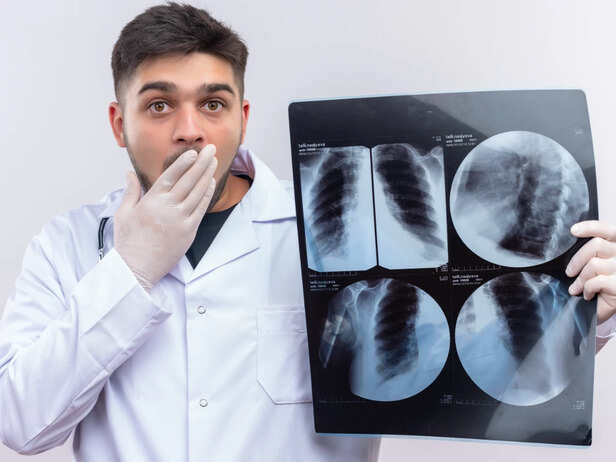
If either test is positive, it means you have TB bacteria in your body. Your doctor will then do a
chest X-ray and test a sample of your
sputum (phlegm) to check whether the infection is latent or active.
Why Early Detection Matters
Finding out you have TB—even when you have zero symptoms—is a good thing. Both latent and active TB are
completely curable with the right antibiotics.
- Treating Latent TB: If you have latent TB, your doctor may recommend a short course of preventive antibiotics (usually lasting 3 to 4 months). Taking this medicine kills the sleeping bacteria before they ever have a chance to make you sick.
- Treating Active TB: If you have active TB, you will need a combination of antibiotics for at least 6 months. Starting treatment early stops the bacteria from damaging your lungs and quickly stops you from spreading the infection to your loved ones.
If you have been around someone with TB or notice a cough and fatigue that just will not go away, talk to a doctor. A simple test can give you peace of mind and keep you healthy.
Experiencing frequent stress, fatigue, or health challenges? Your name energy may be worth exploring. Check it here.Unlock insightful tips and inspiration on personal growth, productivity, and well-being. Stay motivated and updated with the latest at My Life XP.