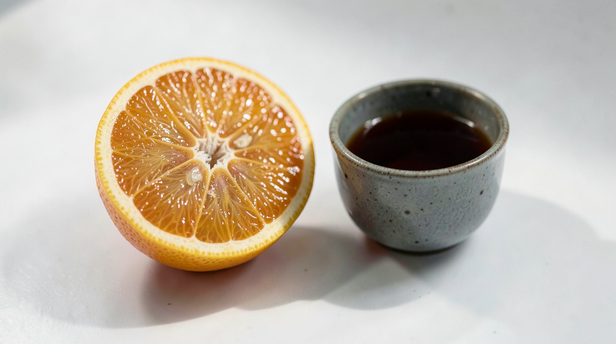
Tooth enamel is the hardest substance the body makes, but hardness and acid-resistance are not the same thing. After you drink orange juice, eat a segment of lime, or finish a cup of tea, the acid in those foods and drinks lowers the pH inside your mouth. Enamel does not dissolve dramatically or instantly, but it does soften, a temporary, reversible state called demineralisation. The problem is what happens if you pick up a toothbrush while that softening is still underway.
What Acid Actually Does to Enamel in the Short Term
![Citrus and Tea Morning]()
Citrus and Tea Morning
Image credit : MyLifeXP Bureau
Enamel is made mostly of a mineral called hydroxyapatite, arranged in tightly packed crystals. Acids, whether from citrus fruit, fermented foods, fizzy drinks, or the tannins and mild organic acids in tea, pull calcium and phosphate ions out of those crystals. The surface does not crack or chip. It becomes temporarily porous and softer than normal, the way a wet fingernail is more easily bent than a dry one.
Saliva is the mouth's repair system. It is slightly alkaline, and it carries calcium and phosphate back into the enamel surface. Given enough time, roughly thirty to sixty minutes after the acid exposure ends, saliva restores the mineral balance and the enamel returns to its normal hardness. The window between the acid and the saliva's repair is the vulnerable period.
Why the Toothbrush Makes It Worse in That Window
A toothbrush applies mechanical force across the enamel surface. When enamel is at full hardness, that force removes plaque and food debris without touching the mineral structure beneath. When enamel is softened by recent acid exposure, the same force can abrade the surface itself, removing a small amount of the mineral layer along with the plaque.
This is not a dramatic loss from a single brushing. The concern is cumulative. Someone who drinks lemon water every morning and brushes immediately afterward is repeating the same abrasive action on softened enamel day after day, year after year. Enamel does not regenerate. What the body removes during childhood and adolescence is the full supply. Once the outer layer thins, it does not grow back.
Tea is worth naming specifically here because it is often thought of as gentler than juice. Black tea has a pH that sits between roughly 4.9 and 5.5 depending on how it is brewed and how long it steeps, well below the pH of 5.5 at which enamel begins to demineralise. Green tea is slightly less acidic but still acidic enough to matter. The tannins in tea also bind to the enamel surface and can increase its roughness slightly, which makes abrasion from brushing marginally more effective, in the wrong direction.
The Thirty-Minute Principle and What to Do Instead
![Morning Oral Care Ritual]()
Morning Oral Care Ritual
Image credit : MyLifeXP Bureau
Dentists and dental researchers generally point to a waiting period of thirty minutes after acidic food or drink before brushing. This is the time saliva typically needs to neutralise the mouth's pH and begin remineralising the enamel surface. The figure is a practical guideline rather than a precise threshold, individual saliva flow rates vary, and a large glass of juice creates a different acid load than a few sips, but it reflects the direction of the evidence clearly enough to be worth following.
If waiting feels impractical, there are things that help in the interim. Rinsing the mouth with plain water immediately after citrus or tea dilutes the acid and raises the pH faster than saliva alone. Chewing sugar-free gum stimulates saliva flow and speeds the neutralisation. Neither substitutes for the wait, but both reduce the acid load the enamel is carrying when you do eventually brush.
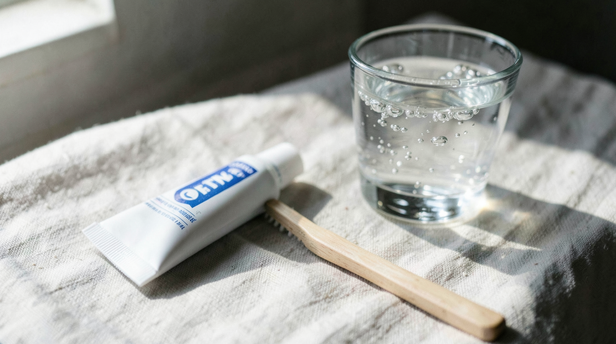
Brushing before breakfast rather than after is another option that sidesteps the problem entirely. It removes the overnight plaque film before food arrives, and the fluoride from toothpaste has a chance to coat the enamel before it encounters acid. Some people find this habit strange at first; it becomes unremarkable quickly.
How Toothpaste Abrasiveness Interacts With the Timing
Toothpastes are assigned a relative dentine abrasivity score, a measure of how much abrasive material they contain and how hard that material is. Whitening toothpastes tend to sit at the higher end of this scale. A whitening paste used immediately after orange juice combines two sources of enamel stress, acid softening and higher mechanical abrasion, in the same two minutes. Neither alone would cause noticeable damage in a single session. Together, repeated over months, the effect accumulates.
A standard fluoride toothpaste used after the thirty-minute wait is the lower-risk combination. Fluoride also has a direct protective role: it can substitute into the hydroxyapatite crystal structure in a way that makes the reformed mineral more acid-resistant than the original. This is one reason fluoride toothpaste is recommended by dental associations rather than fluoride-free alternatives, particularly for people with a diet that includes regular acid exposure.
Signals That Enamel May Already Be Thinning
Enamel loss is not always visible in the early stages, but there are things worth noticing. Teeth that have become more sensitive to cold drinks or sweet foods than they used to be may be showing early signs of thinning, because the layer of dentine beneath the enamel, which contains the nerve pathways, is less insulated. Teeth that look slightly more yellow than they did, despite no change in staining habits, can indicate that the whiter enamel layer is thinner and the naturally yellower dentine beneath is showing through more.
Neither of these is a diagnosis. Both are reasons to mention the change to a dentist, who can look at the actual surface and assess whether erosion is occurring and how far it has progressed. A dentist can also look at the pattern of wear, erosion from acid tends to affect the surfaces differently than erosion from grinding, and identify the likely cause.
The habit of brushing immediately after breakfast is so common that most people have never questioned it. Enamel erosion from acid and abrasion combined is slow enough that the connection between the habit and the outcome is easy to miss. The mechanism, once understood, makes the thirty-minute wait feel less like a rule to remember and more like an obvious consequence of how the material actually behaves.
Experiencing frequent stress, fatigue, or health challenges? Your name energy may be worth exploring. Check it here. Unlock insightful tips and inspiration on personal growth, productivity, and well-being. Stay motivated and updated with the latest at My Life XP.