Why CKD Patients Face a Silent Blood Sugar Risk
Noopur Kumari | Jun 19, 2026, 13:00 IST
Most people think the kidneys only filter waste from the body. But what if these vital organs also play a powerful role in controlling your blood sugar? Many people living with chronic kidney disease (CKD) are surprised to learn that declining kidney function can increase the risk of dangerously low blood sugar levels. The warning signs are often subtle, making the condition easy to miss until it becomes serious. Understanding this hidden connection could help patients recognize symptoms early, avoid complications, and protect their health before a small problem turns into a medical emergency.

When people think about blood sugar problems, they usually focus on diabetes. The kidneys rarely enter the conversation. Yet these two systems are more connected than most people realize. Healthy kidneys help regulate blood sugar by removing excess insulin and producing glucose when the body needs energy. But when kidney function declines, this delicate balance can be disrupted. The result may be unexpected blood sugar drops that leave patients feeling weak, dizzy, confused, or worse. The surprising part is that many people do not see it coming. Understanding why it happens could make all the difference.
![Damaged Kidneys Affecting Blood Sugar Balance]()
Most people know that kidneys remove waste from the blood, but few realize they also help maintain healthy blood sugar levels. Healthy kidneys break down insulin after it has done its job and release glucose when the body needs energy. When chronic kidney disease develops, these functions begin to slow down. Insulin stays in the bloodstream longer than expected, causing blood sugar levels to fall more easily. This hidden change often catches patients off guard because the kidneys' role in blood sugar regulation is rarely discussed outside medical settings.
![A Glucose Meter Showing Low Blood Sugar]()
As kidney function declines, the body becomes less efficient at clearing insulin. This means insulin remains active for a longer period, lowering blood sugar more than intended. For people with diabetes who take insulin or certain glucose-lowering medications, the risk becomes even greater. A dose that once worked perfectly may suddenly become too strong. Without regular monitoring and medical adjustments, patients may experience unexpected episodes of hypoglycemia that seem to appear without warning.
Many people with chronic kidney disease experience reduced appetite, nausea, food restrictions, and unintentional weight loss. As a result, they often eat less than before. However, some continue taking the same diabetes medications despite consuming fewer calories. This creates a dangerous imbalance. The medication continues lowering blood sugar while the body receives less fuel from food. Over time, this combination can significantly increase the likelihood of hypoglycemia and make blood sugar levels harder to manage safely.
Low blood sugar rarely begins with dramatic symptoms. It often starts with sweating, shakiness, dizziness, weakness, hunger, or headaches. Because these signs may seem minor, many people ignore them. However, as blood sugar continues to drop, confusion, blurred vision, and difficulty concentrating can develop. In severe situations, a person may lose consciousness if treatment is delayed. Recognizing these early warning signals can help prevent a manageable situation from becoming a medical emergency.
Consider a patient managing both diabetes and chronic kidney disease. Their medication dose has remained unchanged for months. Recently, they have been eating less because of nausea and fatigue. One afternoon they suddenly feel dizzy and weak. They assume it is simply exhaustion. A blood sugar test later reveals dangerously low glucose levels. Situations like this occur more often than people realize. The combination of reduced food intake, medication use, and declining kidney function creates a perfect environment for unexpected hypoglycemia.
Managing blood sugar with kidney disease requires extra attention. Patients should monitor blood sugar regularly, especially if they use insulin or diabetes medications. Reporting appetite changes, weight loss, or frequent low readings to a healthcare provider is equally important. Medication doses may need adjustment as kidney function changes. Eating regular meals, following medical nutrition advice, and attending routine check-ups can help maintain safer blood sugar levels and reduce the risk of unexpected complications.
The connection between chronic kidney disease and low blood sugar is often overlooked, yet it can have serious consequences. Many patients focus on kidney function while missing the warning signs of hypoglycemia. Understanding how the kidneys influence insulin and glucose levels empowers patients to take action before problems escalate. A simple symptom such as dizziness or sweating could be the body's way of signaling something important. Paying attention today may prevent a medical emergency tomorrow.
Unlock insightful tips and inspiration on personal growth, productivity, and well-being. Stay motivated and updated with the latest at My Life XP.
1. Why does chronic kidney disease cause low blood sugar?
Damaged kidneys remove insulin more slowly, allowing it to remain in the bloodstream longer and lower blood sugar levels more than expected.
2. Is low blood sugar common in CKD patients?
Yes. It is more common in advanced stages of chronic kidney disease, especially among people who also have diabetes.
3. What are the symptoms of low blood sugar?
Common symptoms include sweating, shakiness, dizziness, weakness, hunger, headaches, confusion, blurred vision, and difficulty concentrating.
4. Why are diabetic CKD patients at higher risk?
Because diabetes medications and insulin may continue working longer when kidney function declines, increasing the risk of hypoglycemia.
When the Kidneys Stop Helping
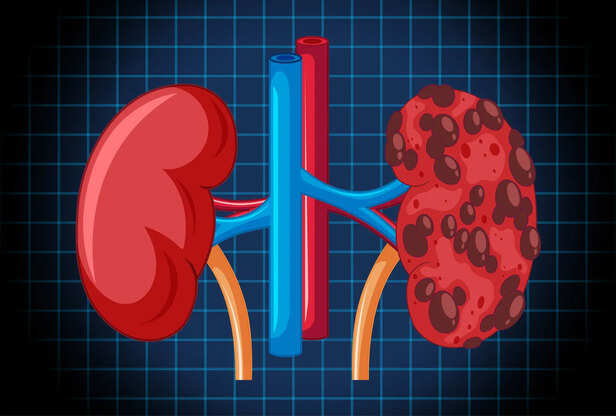
Damaged Kidneys Affecting Blood Sugar Balance
Most people know that kidneys remove waste from the blood, but few realize they also help maintain healthy blood sugar levels. Healthy kidneys break down insulin after it has done its job and release glucose when the body needs energy. When chronic kidney disease develops, these functions begin to slow down. Insulin stays in the bloodstream longer than expected, causing blood sugar levels to fall more easily. This hidden change often catches patients off guard because the kidneys' role in blood sugar regulation is rarely discussed outside medical settings.
Why Blood Sugar Can Drop Unexpectedly

A Glucose Meter Showing Low Blood Sugar
As kidney function declines, the body becomes less efficient at clearing insulin. This means insulin remains active for a longer period, lowering blood sugar more than intended. For people with diabetes who take insulin or certain glucose-lowering medications, the risk becomes even greater. A dose that once worked perfectly may suddenly become too strong. Without regular monitoring and medical adjustments, patients may experience unexpected episodes of hypoglycemia that seem to appear without warning.
The Appetite Problem Few People Notice
Small Symptoms With Big Consequences
A Story That Happens Every Day
Simple Steps That Can Reduce Risk
The Hidden Warning You Should Never Ignore
Unlock insightful tips and inspiration on personal growth, productivity, and well-being. Stay motivated and updated with the latest at My Life XP.
Frequently Asked Questions (FAQs)
Damaged kidneys remove insulin more slowly, allowing it to remain in the bloodstream longer and lower blood sugar levels more than expected.
2. Is low blood sugar common in CKD patients?
Yes. It is more common in advanced stages of chronic kidney disease, especially among people who also have diabetes.
3. What are the symptoms of low blood sugar?
Common symptoms include sweating, shakiness, dizziness, weakness, hunger, headaches, confusion, blurred vision, and difficulty concentrating.
4. Why are diabetic CKD patients at higher risk?
Because diabetes medications and insulin may continue working longer when kidney function declines, increasing the risk of hypoglycemia.