If You're the Eldest Child, These 10 Things Will Hit You Hard
Kashish Pandey | Jun 27, 2026, 13:00 IST
Being the eldest child often means growing up faster than everyone else. From carrying responsibilities you never asked for to watching your younger siblings enjoy freedoms you had to fight for, the firstborn experience is unlike any other. Here are ten things only the oldest child will truly understand and why they still stay with you long after childhood ends.

Were you the child who always had to "set an example"? The one who got the strictest rules, the biggest responsibilities, and somehow became everyone's second parent without ever signing up for the job? If you're the eldest child, chances are you've lived a childhood that looked very different from your younger siblings'. You loved your family, but there were moments when growing up felt unfair. If that sounds familiar, these truths might hit closer to home than you'd expect.
![Parents playing with infant]()
Every parent is learning as they raise their first child, and that child is usually you. Your parents were more cautious, more protective, and far stricter than they would later become. Every decision from your bedtime to your friendships was carefully monitored because they were figuring things out for the first time.
Then came your younger siblings. Suddenly, many of those strict rules disappeared. Watching them enjoy freedoms you never had often left you wondering, "Where were these parents when I was growing up?"
Whenever your sibling cried, argued, or made a mistake, the responsibility somehow landed on you.
"You're older."
"You should understand."
"You should adjust."
It didn't matter who started the fight. Being the eldest often meant being expected to stay calm, apologize first, or simply let things go.
As a child, it felt unfair. As an adult, you realize those words shaped you into someone who naturally takes responsibility but they also made you carry burdens that weren't always yours.
![Parents]()
At some point, you stopped being just a sibling. You helped with homework, packed school bags, babysat younger brothers and sisters, and reminded everyone about family rules.
Many eldest children become their siblings' first teacher, protector, and problem solver long before they're ready. It wasn't always easy, but it created a bond that's difficult to explain to anyone who didn't experience it.
Want to attend a sleepover? You had to convince your parents. Wanted your first phone? You probably waited longer than your younger siblings ever did.
The eldest child often clears the path for everyone else. Once parents become comfortable saying yes to one child, the younger ones usually benefit from those lessons. Sometimes it felt frustrating, but without realizing it, you were making life easier for everyone who came after you.
![Parents scolding kids]()
Whether you liked it or not, someone was always watching you. Parents compared your siblings to you. Relatives praised your achievements.
Younger brothers and sisters copied your habits. That pressure to always "set a good example" meant mistakes felt much heavier. You couldn't simply be a child you had to be the responsible one, the mature one, and often the perfect one.
Many eldest children become experts at saying, "I'm fine." Not because everything is okay, but because they've spent years putting everyone else's needs before their own. You didn't want to add more stress to your parents.
You didn't want your younger siblings to worry. So you quietly learned to solve your own problems. That independence becomes a strength later in life, but it can also make asking for help surprisingly difficult.
![Trophy]()
Your achievements weren't always just your own. Good grades made your parents proud. Career choices carried family expectations. Sometimes it felt like your success had to prove something not just for yourself, but for everyone at home.
While your siblings often had more freedom to explore different paths, you were expected to make the "safe" decisions. It was a lot of pressure, even if it came from a place of love.
No matter how much they annoyed you, you never wanted anyone else to hurt them. You covered for them. You defended them in front of your parents.
You gave advice when they made mistakes. You celebrated their wins as if they were your own. Being the eldest isn't just about responsibility it's about developing a protective instinct that stays with you long after childhood ends.
As children, many eldest siblings wonder why they had stricter rules. As adults, they often realize their parents were simply learning. The strictness wasn't always about control.
Sometimes it came from fear, inexperience, and wanting to do the best they could. Understanding this doesn't erase the difficult moments, but it helps many eldest children see their childhood from a different perspective.
If someone asked whether you'd choose to be the eldest child again, you'd probably pause before answering. Yes, it came with pressure. Yes, it came with sacrifices.
But it also gave you resilience, empathy, leadership, and the confidence to handle challenges. Most importantly, it gave you a unique relationship with your family one built on responsibility, trust, and unconditional love. That's something no birth order can replace.
Experiencing stress or misunderstandings in your relationship with your child? Your name energy may play a role. Check your name energy here.
Unlock insightful tips and inspiration on personal growth, productivity, and well-being. Stay motivated and updated with the latest at My Life XP.
1. You Were Your Parents' First Experiment

Parents playing with infant
Every parent is learning as they raise their first child, and that child is usually you. Your parents were more cautious, more protective, and far stricter than they would later become. Every decision from your bedtime to your friendships was carefully monitored because they were figuring things out for the first time.
Then came your younger siblings. Suddenly, many of those strict rules disappeared. Watching them enjoy freedoms you never had often left you wondering, "Where were these parents when I was growing up?"
2. "You're Older" Became Your Permanent Title
Whenever your sibling cried, argued, or made a mistake, the responsibility somehow landed on you.
"You're older."
"You should understand."
"You should adjust."
It didn't matter who started the fight. Being the eldest often meant being expected to stay calm, apologize first, or simply let things go.
As a child, it felt unfair. As an adult, you realize those words shaped you into someone who naturally takes responsibility but they also made you carry burdens that weren't always yours.
3. You Became a Mini Parent Without Realizing It
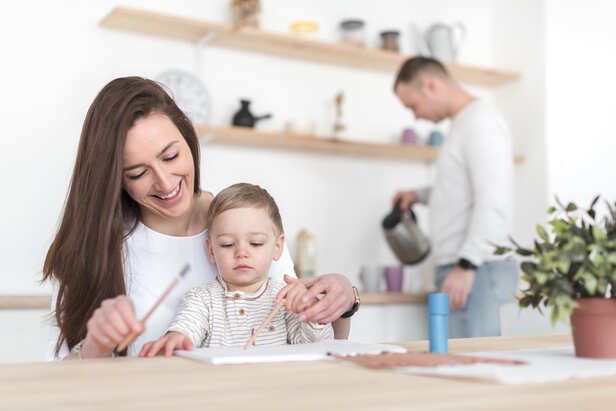
Parents
At some point, you stopped being just a sibling. You helped with homework, packed school bags, babysat younger brothers and sisters, and reminded everyone about family rules.
Many eldest children become their siblings' first teacher, protector, and problem solver long before they're ready. It wasn't always easy, but it created a bond that's difficult to explain to anyone who didn't experience it.
4. Every Privilege Had to Be Earned
Want to attend a sleepover? You had to convince your parents. Wanted your first phone? You probably waited longer than your younger siblings ever did.
The eldest child often clears the path for everyone else. Once parents become comfortable saying yes to one child, the younger ones usually benefit from those lessons. Sometimes it felt frustrating, but without realizing it, you were making life easier for everyone who came after you.
5. You Were Expected to Be the Role Model

Parents scolding kids
Whether you liked it or not, someone was always watching you. Parents compared your siblings to you. Relatives praised your achievements.
Younger brothers and sisters copied your habits. That pressure to always "set a good example" meant mistakes felt much heavier. You couldn't simply be a child you had to be the responsible one, the mature one, and often the perfect one.
6. You Learned to Hide Your Feelings
Many eldest children become experts at saying, "I'm fine." Not because everything is okay, but because they've spent years putting everyone else's needs before their own. You didn't want to add more stress to your parents.
You didn't want your younger siblings to worry. So you quietly learned to solve your own problems. That independence becomes a strength later in life, but it can also make asking for help surprisingly difficult.
7. Your Success Felt Like a Family Responsibility

Trophy
Your achievements weren't always just your own. Good grades made your parents proud. Career choices carried family expectations. Sometimes it felt like your success had to prove something not just for yourself, but for everyone at home.
While your siblings often had more freedom to explore different paths, you were expected to make the "safe" decisions. It was a lot of pressure, even if it came from a place of love.
8. You Secretly Protected Your Siblings
No matter how much they annoyed you, you never wanted anyone else to hurt them. You covered for them. You defended them in front of your parents.
You gave advice when they made mistakes. You celebrated their wins as if they were your own. Being the eldest isn't just about responsibility it's about developing a protective instinct that stays with you long after childhood ends.
9. Growing Up Made You Understand Your Parents
As children, many eldest siblings wonder why they had stricter rules. As adults, they often realize their parents were simply learning. The strictness wasn't always about control.
Sometimes it came from fear, inexperience, and wanting to do the best they could. Understanding this doesn't erase the difficult moments, but it helps many eldest children see their childhood from a different perspective.
10. You Would Still Do It All Over Again
If someone asked whether you'd choose to be the eldest child again, you'd probably pause before answering. Yes, it came with pressure. Yes, it came with sacrifices.
But it also gave you resilience, empathy, leadership, and the confidence to handle challenges. Most importantly, it gave you a unique relationship with your family one built on responsibility, trust, and unconditional love. That's something no birth order can replace.
Being the eldest child often means carrying invisible responsibilities long before you're old enough to understand them. While it isn't always easy, those experiences shape you into someone dependable, compassionate, and resilient. If these moments felt familiar, know that countless firstborns share the same memories. You weren't just the oldest sibling—you were the one who quietly helped your family grow, often without expecting anything in return.
Experiencing stress or misunderstandings in your relationship with your child? Your name energy may play a role. Check your name energy here.
Unlock insightful tips and inspiration on personal growth, productivity, and well-being. Stay motivated and updated with the latest at My Life XP.