Signs Someone Is Losing Interest in a Relationship
Rangnai Tara | Jul 11, 2026, 19:00 IST
Relationships naturally go through ups and downs, but sometimes certain changes may point to a deeper issue. This article explores the common signs that someone may be losing interest in a relationship, from reduced communication to emotional distance and lack of effort. It also explains how to approach the situation with honesty, understanding, and open communication instead of making assumptions.

Signs Someone Is Losing Interest in a Relationship
Image credit : Pexels
Every relationship changes over time. The excitement of the early days often settles into a more comfortable routine, and that is completely normal. However, there is a difference between becoming comfortable and becoming emotionally disconnected.
If you have started wondering whether your partner is losing interest, it is important to pay attention to patterns rather than one isolated event. Stress, work, family responsibilities, or personal struggles can temporarily affect someone's behavior. What matters is whether these changes continue over time and begin affecting the relationship.
Recognizing the signs early can help both partners have honest conversations and decide how to move forward together.
![Communication Starts to Fade]()
One of the first signs of fading interest is a noticeable change in communication.
Your partner may take much longer to reply to messages, avoid meaningful conversations, or only respond with short answers. They no longer seem curious about your day or interested in hearing about your thoughts and experiences.
Healthy communication does not require constant texting, but it usually involves genuine effort to stay connected. When that effort disappears without explanation, it may be worth discussing.
They Spend Less Time With You
![They Spend Less Time With You]()
People naturally make time for what matters to them.
If your partner frequently cancels plans, avoids spending quality time together, or always seems too busy, it could indicate shifting priorities.
Of course, everyone has demanding periods in life. The concern arises when excuses become a regular pattern and there is little effort to make up for missed time together.
Quality time is often one of the strongest ways couples maintain emotional closeness.
Physical affection often reflects emotional connection.
You may notice fewer hugs, kisses, hand holding, or moments of closeness. Even simple gestures like sitting together or making eye contact may become less common.
While every person expresses love differently, a sudden drop in affection without any discussion may suggest emotional distance.
Relationships work best when both people actively participate.
If you find yourself always starting conversations, making plans, or asking questions while your partner gives minimal responses, it may indicate reduced interest.
Over time, carrying the relationship alone can become emotionally exhausting.
Healthy relationships involve shared effort from both partners.
People who are emotionally invested often talk about future experiences together.
These plans do not have to involve major commitments. They can be as simple as planning a weekend trip, attending an event together, or discussing future holidays.
If your partner avoids talking about the future or no longer includes you in their plans, it may suggest uncertainty about the relationship.
Partners usually offer comfort during difficult moments.
If your partner no longer checks on your well-being, listens to your concerns, or celebrates your achievements, you may begin feeling emotionally alone even while still in the relationship.
Emotional support is one of the strongest foundations of a lasting partnership.
Without it, emotional distance can continue to grow.
Small Things Seem to Irritate Them
Everyone gets annoyed occasionally, but constant irritation can sometimes reflect deeper issues.
If your partner becomes impatient over small matters, criticizes you more often, or reacts negatively to things that never bothered them before, there may be unresolved emotions beneath the surface.
Rather than focusing only on the arguments themselves, pay attention to whether kindness and patience have become less common.
Someone who cares about you usually wants to know how you are doing.
If your partner stops asking about your work, family, hobbies, or goals, it may feel like they are becoming emotionally detached.
Interest is often shown through simple questions, active listening, and remembering important details.
When these habits disappear, it may signal changing feelings.
![Effort in the Relationship Declines]()
Healthy relationships require ongoing effort from both people.
You may notice your partner no longer plans dates, forgets important occasions, or puts little energy into resolving conflicts.
The relationship begins to feel automatic rather than intentional.
Effort is often shown through small actions, including thoughtful messages, spending time together, and showing appreciation.
When these actions gradually disappear, it may indicate fading commitment.
If you try discussing the relationship and your partner changes the subject, becomes defensive, or refuses to engage, it can make solving problems difficult.
Avoiding important conversations does not automatically mean someone has lost interest. Some people struggle with difficult discussions.
However, when avoidance becomes consistent, unresolved issues continue to build over time.
Open communication is necessary for rebuilding trust and understanding.
It is healthy for both partners to have independent lives, friendships, and hobbies.
The concern arises when your partner consistently prefers spending time elsewhere and rarely seems excited about spending time together.
You may notice they appear energetic and engaged with others but distant when they are with you.
This difference can be emotionally painful and deserves an honest conversation rather than silent assumptions.
Emotional and physical intimacy often change together.
You may notice fewer meaningful conversations, less emotional vulnerability, or a lack of closeness during moments that once felt natural.
Intimacy is about much more than physical affection. It also includes trust, emotional safety, shared experiences, and genuine connection.
When intimacy continues to decline without explanation, it may point to deeper relationship concerns.
Seeing several of these signs does not automatically mean the relationship is ending.
Instead of jumping to conclusions, try approaching the situation with curiosity and compassion.
Start by having an honest conversation. Share how you have been feeling without blaming or accusing your partner. Use statements such as, "I have noticed we seem more distant lately, and I wanted to check in about how you're feeling."
Listen carefully to their response. Sometimes personal stress, mental exhaustion, or outside pressures affect relationships more than people realize.
If both partners are willing to work together, many relationships can become stronger through better communication and renewed effort.
However, if only one person continues trying while the other remains emotionally unavailable over a long period, it may be necessary to consider whether the relationship is still meeting both partners' emotional needs.
It is natural to worry when you feel someone pulling away, but constantly guessing their thoughts usually creates more anxiety.
Instead of overanalyzing every message or action, focus on clear communication, mutual respect, and your own emotional well-being.
A healthy relationship is built on trust, effort, honesty, and shared commitment from both people.
If those qualities are fading, acknowledging the reality with kindness and self-respect is often healthier than ignoring the signs.
Every relationship deserves care, but it also deserves two people who are equally willing to nurture it. Recognizing the signs early gives both partners the opportunity to communicate openly, understand each other's feelings, and make thoughtful decisions about the future together.
Unlock insightful tips and inspiration on personal growth, productivity, and well-being. Stay motivated and updated with the latest at My Life XP.
If you have started wondering whether your partner is losing interest, it is important to pay attention to patterns rather than one isolated event. Stress, work, family responsibilities, or personal struggles can temporarily affect someone's behavior. What matters is whether these changes continue over time and begin affecting the relationship.
Recognizing the signs early can help both partners have honest conversations and decide how to move forward together.
Communication Starts to Fade
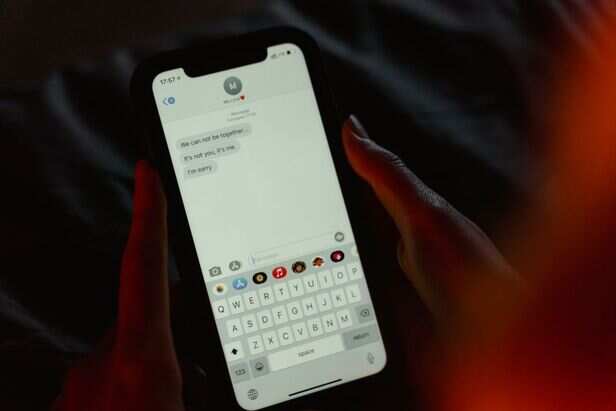
Communication Starts to Fade
Image credit : Pexels
One of the first signs of fading interest is a noticeable change in communication.
Your partner may take much longer to reply to messages, avoid meaningful conversations, or only respond with short answers. They no longer seem curious about your day or interested in hearing about your thoughts and experiences.
Healthy communication does not require constant texting, but it usually involves genuine effort to stay connected. When that effort disappears without explanation, it may be worth discussing.
They Spend Less Time With You

They Spend Less Time With You
Image credit : Pexels
People naturally make time for what matters to them.
If your partner frequently cancels plans, avoids spending quality time together, or always seems too busy, it could indicate shifting priorities.
Of course, everyone has demanding periods in life. The concern arises when excuses become a regular pattern and there is little effort to make up for missed time together.
Quality time is often one of the strongest ways couples maintain emotional closeness.
Affection Becomes Less Frequent
Physical affection often reflects emotional connection.
You may notice fewer hugs, kisses, hand holding, or moments of closeness. Even simple gestures like sitting together or making eye contact may become less common.
While every person expresses love differently, a sudden drop in affection without any discussion may suggest emotional distance.
Conversations Feel One-Sided
Relationships work best when both people actively participate.
If you find yourself always starting conversations, making plans, or asking questions while your partner gives minimal responses, it may indicate reduced interest.
Over time, carrying the relationship alone can become emotionally exhausting.
Healthy relationships involve shared effort from both partners.
They Stop Making Future Plans
People who are emotionally invested often talk about future experiences together.
These plans do not have to involve major commitments. They can be as simple as planning a weekend trip, attending an event together, or discussing future holidays.
If your partner avoids talking about the future or no longer includes you in their plans, it may suggest uncertainty about the relationship.
Emotional Support Begins to Disappear
Partners usually offer comfort during difficult moments.
If your partner no longer checks on your well-being, listens to your concerns, or celebrates your achievements, you may begin feeling emotionally alone even while still in the relationship.
Emotional support is one of the strongest foundations of a lasting partnership.
Without it, emotional distance can continue to grow.
Small Things Seem to Irritate Them
Everyone gets annoyed occasionally, but constant irritation can sometimes reflect deeper issues.
If your partner becomes impatient over small matters, criticizes you more often, or reacts negatively to things that never bothered them before, there may be unresolved emotions beneath the surface.
Rather than focusing only on the arguments themselves, pay attention to whether kindness and patience have become less common.
They Show Less Interest in Your Life
Someone who cares about you usually wants to know how you are doing.
If your partner stops asking about your work, family, hobbies, or goals, it may feel like they are becoming emotionally detached.
Interest is often shown through simple questions, active listening, and remembering important details.
When these habits disappear, it may signal changing feelings.
Effort in the Relationship Declines

Effort in the Relationship Declines
Image credit : Pexels
Healthy relationships require ongoing effort from both people.
You may notice your partner no longer plans dates, forgets important occasions, or puts little energy into resolving conflicts.
The relationship begins to feel automatic rather than intentional.
Effort is often shown through small actions, including thoughtful messages, spending time together, and showing appreciation.
When these actions gradually disappear, it may indicate fading commitment.
They Avoid Serious Conversations
If you try discussing the relationship and your partner changes the subject, becomes defensive, or refuses to engage, it can make solving problems difficult.
Avoiding important conversations does not automatically mean someone has lost interest. Some people struggle with difficult discussions.
However, when avoidance becomes consistent, unresolved issues continue to build over time.
Open communication is necessary for rebuilding trust and understanding.
They Seem Happier Without You
It is healthy for both partners to have independent lives, friendships, and hobbies.
The concern arises when your partner consistently prefers spending time elsewhere and rarely seems excited about spending time together.
You may notice they appear energetic and engaged with others but distant when they are with you.
This difference can be emotionally painful and deserves an honest conversation rather than silent assumptions.
Intimacy Feels Different
Emotional and physical intimacy often change together.
You may notice fewer meaningful conversations, less emotional vulnerability, or a lack of closeness during moments that once felt natural.
Intimacy is about much more than physical affection. It also includes trust, emotional safety, shared experiences, and genuine connection.
When intimacy continues to decline without explanation, it may point to deeper relationship concerns.
What You Should Do If You Notice These Signs
Seeing several of these signs does not automatically mean the relationship is ending.
Instead of jumping to conclusions, try approaching the situation with curiosity and compassion.
Start by having an honest conversation. Share how you have been feeling without blaming or accusing your partner. Use statements such as, "I have noticed we seem more distant lately, and I wanted to check in about how you're feeling."
Listen carefully to their response. Sometimes personal stress, mental exhaustion, or outside pressures affect relationships more than people realize.
If both partners are willing to work together, many relationships can become stronger through better communication and renewed effort.
However, if only one person continues trying while the other remains emotionally unavailable over a long period, it may be necessary to consider whether the relationship is still meeting both partners' emotional needs.
Focus on What You Can Control
It is natural to worry when you feel someone pulling away, but constantly guessing their thoughts usually creates more anxiety.
Instead of overanalyzing every message or action, focus on clear communication, mutual respect, and your own emotional well-being.
A healthy relationship is built on trust, effort, honesty, and shared commitment from both people.
If those qualities are fading, acknowledging the reality with kindness and self-respect is often healthier than ignoring the signs.
Every relationship deserves care, but it also deserves two people who are equally willing to nurture it. Recognizing the signs early gives both partners the opportunity to communicate openly, understand each other's feelings, and make thoughtful decisions about the future together.
Unlock insightful tips and inspiration on personal growth, productivity, and well-being. Stay motivated and updated with the latest at My Life XP.