Indrajit was one of the most powerful warriors in the Ramayana, yet the story of his death involves three women whose roles are often overlooked. One was killed before Lakshman, Vibhishan revealed, could discover the truth. Another was believed to have slept for 14 years to protect her husband’s duty. The third watched her husband’s severed head become part of a story that continues to fascinate devotees. Their names were Maya Sita, Urmila and Sulochana. Behind Lakshman’s victory lay a story of illusion, sacrifice and a wife’s courage that deserves to be remembered.
Maya Sita: The Illusion That Shook Ram
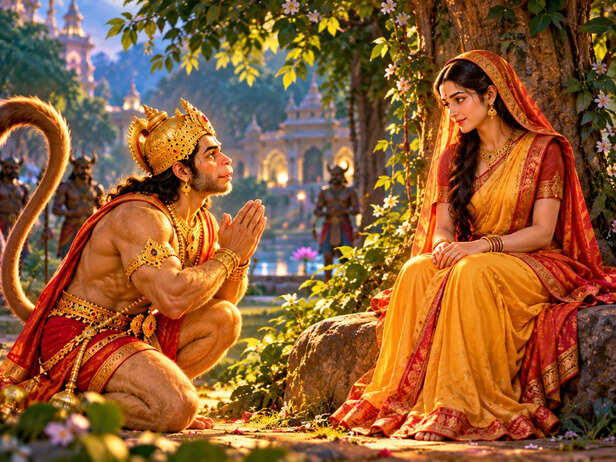
![Indrajit’s Illusion of Sita in the Ramayana]()
Indrajit’s Illusion of Sita in the Ramayana
Image credit : chatgpt(ai)
During the battle of Lanka, Indrajit used an illusion to make it appear that he had killed Sita in front of Hanuman. The sight left the vanara army horrified, and the news deeply distressed Lord Ram. But the woman in the scene was not the real Sita. According to the version of the story described in this tradition, Indrajit had created an illusion to weaken the enemy’s morale. Vibhishan later explained the deception and revealed that Indrajit was performing a powerful ritual at Nikumbhila. The episode shows how psychological warfare could be as dangerous as physical combat.
Urmila: The Wife Behind Lakshman’s Vigil
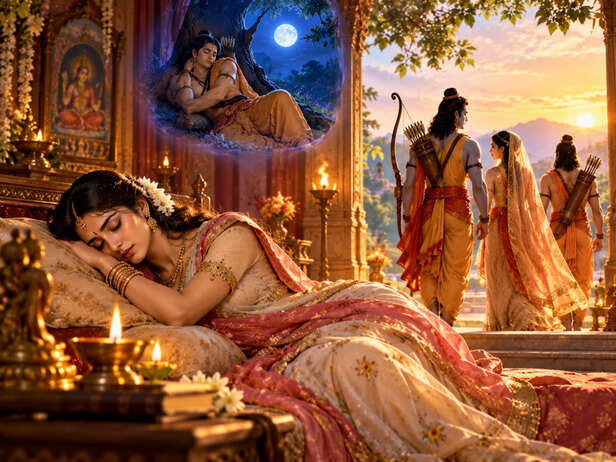
![Urmila’s Dream of Departure]()
Urmila’s Dream of Departure
Image credit : chatgpt(ai)
A popular Ramayana tradition tells that Lakshman remained awake throughout the 14 years of exile to protect Lord Ram and Sita. In this account, Nidra Devi, the goddess of sleep, approached Lakshman, who asked her to let him remain awake. She then approached his wife, Urmila, who accepted the sleep associated with his share. Urmila is therefore remembered in this tradition as someone whose sacrifice happened away from the battlefield. This episode is not told in the same way in every Ramayana version, but it has become a moving part of Urmila’s popular story.
Why Lakshman Had to Defeat Indrajit
Indrajit’s strength made him one of Lanka’s most formidable warriors. Vibhishan revealed that Indrajit was performing a ritual at Nikumbhila and that completing it would make him even harder to defeat. Lakshman went to confront him before the ritual could be completed. In some traditional tellings, Lakshman’s 14 years without sleep are also connected to the conditions needed to defeat Indrajit. The resulting battle ended with Lakshman killing Ravana’s son. The victory was achieved on the battlefield, but the surrounding traditions also remember the discipline and sacrifices associated with Lakshman’s years of service.
Sulochana: The Wife Who Asked for His Head
Sulochana, Indrajit’s wife, occupies a powerful place in popular retellings of the Ramayana. When she learned that her husband had died, she went to Lord Ram’s camp and asked for his severed head. The vanara warriors were surprised by her request and questioned whether she could prove that the head belonged to her husband. In the version of the story shared in this tradition, Sulochana remained firm despite the painful circumstances. Her journey was not about victory or revenge. It was about claiming her husband’s remains and fulfilling her final responsibility towards him.
The Severed Head That Laughed
According to a popular folk version, the vanaras challenged Sulochana to make Indrajit’s severed head laugh if she truly believed it was her husband’s. She prayed to him, and the head reportedly laughed, astonishing those who witnessed the scene. This striking detail belongs to traditional storytelling rather than a universally shared account across all versions of the Ramayana. Its emotional force comes from Sulochana’s unwavering faith in her bond with Indrajit, even after his death. The episode has endured because it combines grief, devotion and a supernatural event into one unforgettable scene.
Three Women, Three Different Kinds of Strength
These three stories reveal different sides of the Ramayana tradition. Maya Sita represents the deception used to unsettle Lord Ram’s allies. Urmila represents the quiet sacrifice associated with Lakshman’s years of vigilance. Sulochana represents a wife’s courage in approaching the enemy’s camp to claim her husband’s remains. Their roles are not identical, and their stories come from different strands of the epic’s wider storytelling tradition. Together, they invite readers to look beyond the most visible warriors and recognise the women whose stories add emotional depth to the events of the Lanka war.
The Sacrifices Behind a Victory
Lakshman ultimately defeated Indrajit through his skill and courage in battle. Yet the wider traditions surrounding that victory also draw attention to sacrifice beyond the battlefield. Urmila’s story asks us to remember the people who support a loved one’s responsibilities without receiving public recognition. Sulochana’s story explores the strength required to face grief directly. Maya Sita’s episode reminds us that appearances can mislead even those who seem certain of what they have witnessed. These stories offer different lessons, but each encourages us to look beyond appearances when understanding courage and sacrifice.
Who Stands Behind Your Victory?
The story of Indrajit’s death is remembered for Lakshman’s courage and the turning point it brought to the war in Lanka. But the traditions surrounding it also bring three women into focus: Maya Sita, Urmila and Sulochana.
One was part of an illusion that shook Ram’s camp. One is remembered for a sacrifice made far from the battlefield. And one showed extraordinary resolve in the face of her husband’s death.
Not every sacrifice is visible, and not every act of courage happens in battle. Sometimes, the people who help make a victory possible are the very people history remembers the least.
Who has stood quietly behind your biggest achievement?
Unlock insightful tips and inspiration on personal growth, productivity, and well-being. Stay motivated and updated with the latest at
My Life XP.