8 Powerful Hanuman Forms and the Truth Behind Their Names
Noopur Kumari | Sept 27, 2026, 08:00 IST
The eight forms of Hanuman are not simply eight different appearances. Each name carries a quality that devotees associate with his character. From extraordinary strength and fearless courage to wisdom and complete devotion to Lord Rama, these Hanuman names offer a simple way to understand why he remains one of the most loved figures in Hindu tradition.

Hanuman Forms You Should Know
Image credit : ChatGPT(ai)
Most people know Hanuman Ji as the powerful devotee of Lord Rama. But the familiar image of the mighty vanara warrior is only one part of a much deeper tradition. Ancient prayers and devotional texts describe Hanuman through different names and forms, each pointing to a particular quality such as courage, wisdom, devotion, strength and humility. The famous Hanuman prayer beginning with “Dulita Bala Dhaamam, Hemashailaabha Deham” praises these qualities before offering salutations to the son of Vayu and beloved devotee of Rama. But what do these names actually tell us about Hanuman Ji?
![Hanuman is remembered for crossing the ocean,]()
The prayer describes Hanuman Ji as having a body radiant like a golden mountain and possessing immense strength. But his physical power is never shown as something used for pride. In the Ramayana, Hanuman uses his strength in service of Lord Rama and for protecting others. This makes his strength different from ordinary power. The Hanuman forms and Hanuman names found in devotional traditions often connect physical courage with discipline and purpose. His story reminds devotees that strength becomes meaningful when it is guided by wisdom, responsibility and devotion rather than ego.
![Lord Hanuman and Hanuman Chalisa]()
The eight forms of Hanuman are understood through different devotional traditions, and the names associated with him reveal different aspects of his character. Hanuman is praised as powerful, wise, fearless, devoted and capable of overcoming enormous challenges. These qualities explain why devotees use different Hanuman names during prayer and worship. Rather than seeing the names as merely a list to memorise, devotees can understand them as reminders of qualities worth developing. Each form points the mind toward a different aspect of Hanuman Ji, making his worship deeply connected with courage, faith, wisdom and service.
The most striking part of Hanuman Ji’s story is that his immense abilities never become more important than his devotion. He can cross the ocean, confront powerful enemies and search Lanka for Sita, yet he remains completely devoted to Lord Rama. This is the deeper Hanuman spiritual meaning behind his character. His strength and intelligence serve a higher purpose. The Hanuman mantra and many forms of Hanuman worship therefore focus not only on asking for strength but also on developing humility, faith and dedication. His story shows that great ability becomes meaningful when it is used for something larger than oneself.
Strength alone could not have completed Hanuman’s mission. He needed intelligence, patience and the ability to make quick decisions. When he reached Lanka, he did not simply attack. He first searched carefully for Sita and chose the right moment to approach her. This side of Hanuman is often overlooked when people focus only on his physical power. The Hanuman names praising his wisdom remind devotees that courage without judgment can create problems. Hanuman Ji represents a balance of strength and intelligence, showing why true power also requires knowing when to act, when to wait and when to speak.
One of the most memorable moments in the Ramayana comes when Hanuman has to cross the vast ocean to reach Lanka. At first, the challenge appears almost impossible. Yet he remembers his abilities and begins the journey with faith and determination. This episode gives the Hanuman forms a practical meaning for modern life. People often stop because a goal looks too difficult before they even begin. Hanuman’s story offers a different approach: remember your abilities, focus on the purpose and take the first step. The obstacle may remain large, but your response to it can change completely.
Reciting Hanuman names is not only about pronunciation or repetition. For many devotees, each name becomes a reminder of a particular virtue. Lord Hanuman represents strength without arrogance, knowledge without pride and devotion without conditions. That is why Hanuman worship remains meaningful across generations. A person facing fear may remember his courage, while someone struggling with confusion may turn toward his wisdom. The value lies in connecting prayer with conduct. Remembering Hanuman Ji can become a daily reminder to stay disciplined, help others and remain steady when circumstances become difficult.
The deeper lesson behind the eight forms of Hanuman is not simply to remember eight names and finish a prayer. It is to carry their qualities into everyday actions. Before starting the day, take a moment to remember Hanuman Ji and choose one quality to practise: courage during difficulty, patience during conflict, wisdom before making a decision or humility after success. You can also recite a familiar Hanuman mantra with attention rather than rushing through the words. Over time, the prayer becomes more than a ritual. It becomes a personal reminder of the character Hanuman represents.
Unlock insightful tips and inspiration on personal growth, productivity, and well-being. Stay motivated and updated with the latest at My Life XP
The Prayer Begins With His Strength

Hanuman is remembered for crossing the ocean,
Image credit : chatgpt(ai)
The prayer describes Hanuman Ji as having a body radiant like a golden mountain and possessing immense strength. But his physical power is never shown as something used for pride. In the Ramayana, Hanuman uses his strength in service of Lord Rama and for protecting others. This makes his strength different from ordinary power. The Hanuman forms and Hanuman names found in devotional traditions often connect physical courage with discipline and purpose. His story reminds devotees that strength becomes meaningful when it is guided by wisdom, responsibility and devotion rather than ego.
His Eight Forms Carry Deeper Meanings
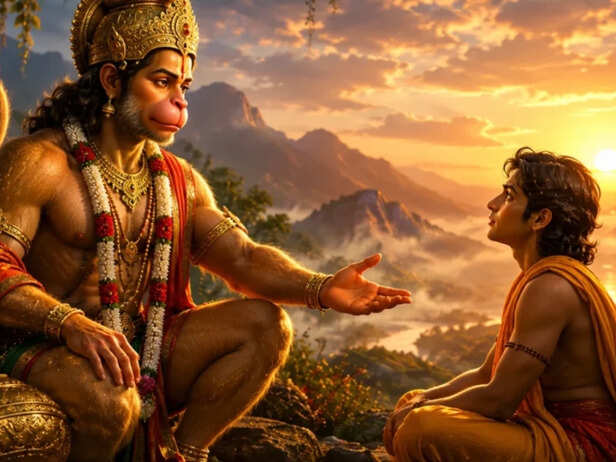
Lord Hanuman and Hanuman Chalisa
Image credit : chatgpt(ai)
The eight forms of Hanuman are understood through different devotional traditions, and the names associated with him reveal different aspects of his character. Hanuman is praised as powerful, wise, fearless, devoted and capable of overcoming enormous challenges. These qualities explain why devotees use different Hanuman names during prayer and worship. Rather than seeing the names as merely a list to memorise, devotees can understand them as reminders of qualities worth developing. Each form points the mind toward a different aspect of Hanuman Ji, making his worship deeply connected with courage, faith, wisdom and service.
The Real Secret Is His Devotion
Wisdom Made His Strength Useful
The Vanara Who Never Gave Up
Why Devotees Remember His Eight Names
Carry Hanuman’s Qualities Into Daily Life
Unlock insightful tips and inspiration on personal growth, productivity, and well-being. Stay motivated and updated with the latest at My Life XP