If Gods Do Everything, What Are the Goddesses Doing?
Noopur Kumari | Sept 24, 2026, 11:00 IST
What if the reason you feel exhausted is not that you are doing too little, but that you have forgotten how to receive? The symbolism of Saraswati, Lakshmi and Shakti offers a different perspective on feminine energy. From knowledge and abundance to emotional release and transformation, these divine feminine principles reveal why success needs more than discipline. Sometimes, the missing piece is simply allowing yourself to pause and receive.

<strong>:</strong> Goddess Saraswati With Veena and Books
Image credit : ChatGPT(ai)
We often talk about discipline, ambition, productivity and motivation as the keys to success. But what happens when doing more is no longer the answer?
Hindu philosophy offers another way to look at this balance through the relationship between the divine masculine and feminine. Brahma creates, Vishnu sustains and Shiva transforms. But alongside them are Saraswati, Lakshmi and Shakti, representing knowledge, abundance and transformative energy.
Together, these ideas offer a powerful reminder: life is not only about creating and achieving. It is also about receiving, resting, nurturing and knowing when to let go.
![Goddess Saraswati With Veena and Books]()
Brahma is traditionally associated with creation, but an idea alone is not enough. It needs knowledge, clarity and direction. This is where Saraswati, the goddess of wisdom and learning, enters the symbolism. Her presence reminds us that creating something meaningful requires understanding what we are actually trying to build. In modern life, we often rush from one idea to another without giving ourselves time to think. Feminine energy can also be understood through this quieter quality of reflection, where knowledge becomes the foundation for purposeful action rather than constant movement.
![Goddess Lakshmi Surrounded by Lotus Flowers]()
Creating something is only the beginning. Sustaining it requires resources, care and abundance. In Hindu tradition, Lakshmi, the goddess of prosperity, is associated with wealth, abundance, beauty and auspiciousness. Her symbolism offers a lesson that many ambitious people struggle with: receiving is also part of growth. We can work hard, achieve goals and remain completely uncomfortable accepting help, rest or appreciation. Feminine energy and abundance are often discussed through this idea of allowing rather than constantly chasing. Sometimes growth means asking yourself not only, “What can I achieve?” but also, “What am I willing to receive?”
Then comes the part nobody likes: letting go. Shiva is traditionally associated with destruction, but destruction can also be understood symbolically as transformation and the ending of what no longer serves us. Shakti, the divine feminine power, represents the dynamic energy through which transformation occurs. In our own lives, this can mean releasing old identities, guilt, emotional burdens or patterns that keep us stuck. This aspect of Shakti energy reminds us that strength is not always about holding on. Sometimes, real strength is creating enough inner space to become someone new.
Modern life often rewards the qualities associated with constant action. Work harder. Respond faster. Achieve more. Stay independent. Keep going. There is nothing wrong with discipline, but when productivity becomes our entire identity, rest can start feeling like failure. This is where the conversation around feminine energy and success becomes relevant. Rest, receptivity and nurturing are not necessarily signs of weakness. They can create space for creativity and emotional balance. When every moment becomes about output, we can forget that a human life also needs moments of simply being.
Many people are comfortable giving their time, attention and energy but feel strangely uncomfortable receiving. They struggle to accept compliments, ask for help or take a genuine break without guilt. The symbolism of Lakshmi offers an interesting counterpoint to this mindset. Abundance is not only about accumulating more. It also involves recognising what is already available and allowing yourself to receive it. Whether that means accepting support, enjoying a peaceful evening or acknowledging your own progress, receiving energy can be a meaningful part of personal growth.
For someone balancing a full-time job, content creation and everyday responsibilities, these ideas can easily get lost. A simple personal reminder can help bring them back into focus. A Dhanla band from Japam, featuring pyrite, tiger eye, citrine, aventurine, sphatik and jade beads, can be used as a symbolic reminder of prosperity, clarity and intention. The value does not have to come from believing that gemstones guarantee a particular outcome. Instead, the bracelet can become a personal cue to pause, breathe and remember that success does not require constant movement.
The deeper lesson behind feminine energy is not about choosing between strength and softness. It is about creating balance. Saraswati reminds us to seek wisdom. Lakshmi reminds us to receive and appreciate abundance. Shakti reminds us that transformation requires space to release what no longer belongs. These ideas can become practical reminders in everyday life: create with intention, accept support without guilt, protect time for rest and let old versions of yourself evolve. You do not have to prove your worth through constant productivity.
Unlock insightful tips and inspiration on personal growth, productivity, and well-being. Stay motivated and updated with the latest at My Life XP
Hindu philosophy offers another way to look at this balance through the relationship between the divine masculine and feminine. Brahma creates, Vishnu sustains and Shiva transforms. But alongside them are Saraswati, Lakshmi and Shakti, representing knowledge, abundance and transformative energy.
Together, these ideas offer a powerful reminder: life is not only about creating and achieving. It is also about receiving, resting, nurturing and knowing when to let go.
Saraswati Gives Creation Direction

Goddess Saraswati With Veena and Books
Image credit : ChatGPT(ai)
Brahma is traditionally associated with creation, but an idea alone is not enough. It needs knowledge, clarity and direction. This is where Saraswati, the goddess of wisdom and learning, enters the symbolism. Her presence reminds us that creating something meaningful requires understanding what we are actually trying to build. In modern life, we often rush from one idea to another without giving ourselves time to think. Feminine energy can also be understood through this quieter quality of reflection, where knowledge becomes the foundation for purposeful action rather than constant movement.
Lakshmi Teaches Us to Receive
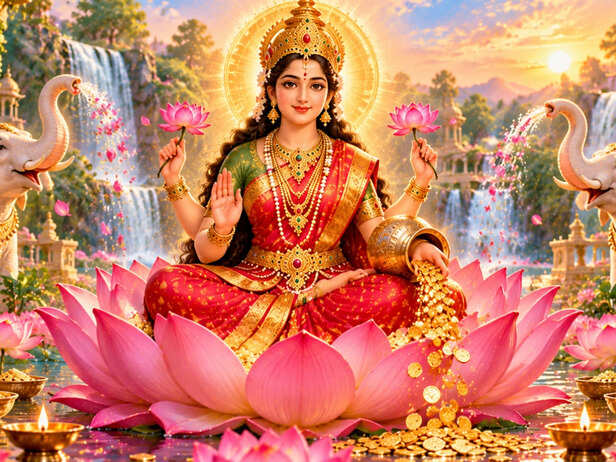
Goddess Lakshmi Surrounded by Lotus Flowers
Image credit : ChatGPT(ai)
Creating something is only the beginning. Sustaining it requires resources, care and abundance. In Hindu tradition, Lakshmi, the goddess of prosperity, is associated with wealth, abundance, beauty and auspiciousness. Her symbolism offers a lesson that many ambitious people struggle with: receiving is also part of growth. We can work hard, achieve goals and remain completely uncomfortable accepting help, rest or appreciation. Feminine energy and abundance are often discussed through this idea of allowing rather than constantly chasing. Sometimes growth means asking yourself not only, “What can I achieve?” but also, “What am I willing to receive?”
Shakti Makes Transformation Possible
Why Productivity Can Feel Exhausting
The Forgotten Art of Receiving
A Small Reminder to Pause
Create, Receive and Grow
Unlock insightful tips and inspiration on personal growth, productivity, and well-being. Stay motivated and updated with the latest at My Life XP