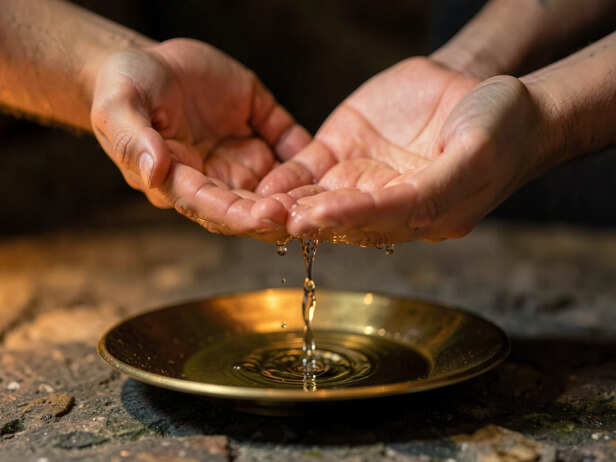
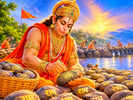
A puja does not begin with the first flower placed or the first incense lit. It begins the moment a person cups water in their right palm, states their name and intention aloud, and lets the water fall. That act is the sankalp, and it is the hinge on which the entire ritual turns.
The word comes from Sanskrit: sam, meaning complete or together, and kalpa, meaning resolve or vow. A sankalp is not a prayer asking for something. It is a declaration that something has already been decided, that this person, at this time, in this place, is undertaking this act for this purpose. The water is not symbolic of the vow. In the tradition's own understanding, the water carries it forward once it leaves the hand.
What the Words Actually Say
![Sacred Water Offering]()
Sacred Water Offering
Image credit : MyLifeXP Bureau
The full sankalp recitation is longer than most people realise. It begins with cosmological time: the name of the current kalpa, the manvantara, the yuga, and then the year in the Hindu lunar calendar. It names the hemisphere, the country, the region, the river or water body nearest the place of worship. It names the tithi, the paksha, the day of the week, the nakshatra. Then it names the worshipper, their gotra, their own name, and often the names of those on whose behalf the puja is being performed. Only after all of this does it name the deity and the purpose.
The structure is deliberate. Before stating the intention, the sankalp locates the person precisely in time and space. The tradition holds that a vow made without knowing where and when it is made is a vow without an anchor. The cosmological framing is not ceremony for its own sake. It is the address on the envelope.
In household practice, the full recitation is often shortened. A priest conducting the puja may speak the complete version on behalf of the family. In personal worship, many people speak only the core: gotra, name, deity, and intention. Both are considered valid. What cannot be removed is the intention itself, the sankalp without a stated purpose is simply a recitation, not a vow.
What It Commits a Person To
The commitment the sankalp makes is specific. It names what the worshipper will do, complete this puja, observe this vrat, perform this homa, and it names why. The why matters as much as the what. A sankalp taken for the welfare of a parent is a different act, in the tradition's understanding, from the same puja taken for personal prosperity. The deity receives both, but the sankalp distinguishes them.
Once spoken, the sankalp is considered binding for the duration of the ritual. This is why the tradition advises against beginning a puja one cannot complete. An interrupted sankalp, a vow stated and then abandoned mid-ritual, is addressed differently in different regional traditions. Some hold that the ritual must be completed at the earliest opportunity. Others prescribe a specific act of acknowledgement before the deity. What is common across traditions is that the sankalp is not treated as preliminary words that can be set aside once the main ritual begins. It is the frame that holds everything inside it.
This is also why the sankalp is spoken aloud rather than held silently. A thought is private. A spoken declaration, in the tradition's logic, has a witness, the deity named in it, and the cosmos framed in the opening lines.
The Gotra and the Name
The inclusion of the gotra, the lineage, traced patrilineally to a Vedic rishi, is one of the sankalp's most distinctive features. It places the individual inside a lineage that precedes them and will continue after them. The act of worship is not only personal. It carries the weight of everyone in that line who has performed the same ritual before.
Where a person does not know their gotra, which is common, particularly in communities where the tradition was interrupted or was never part of the household practice, the convention in many traditions is to use Kashyapa gotra, one of the seven primary rishis, as a default. The intention is that no one should be excluded from the sankalp's structure by a gap in genealogical knowledge.
The name used in the sankalp is typically the person's given name, sometimes the name given at the namakarana ceremony if that was observed. In some regional traditions, the name of the father is also included. The specificity is the point: this person, not a general devotee, is making this commitment.
Why the Sankalp Comes First
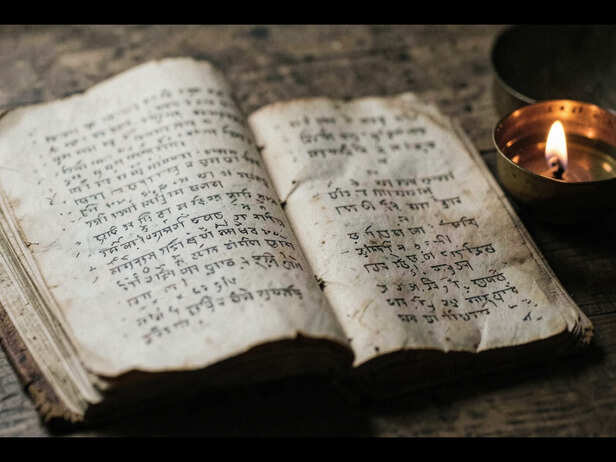
![Ancient Manuscript and Diya]()
Ancient Manuscript and Diya
Image credit : MyLifeXP Bureau
Placed at the opening of the ritual, the sankalp does something that no other element of the puja does. It establishes consent and intention simultaneously. The worshipper is not simply present. They have stated, in precise terms, that they are present, that they know what they are doing, and that they have chosen to do it.
In the Vedic understanding of ritual, an act performed without intention is considered mechanically complete but spiritually inert. The sankalp is what animates the ritual that follows. It is the difference between a person who lights a lamp and a person who lights a lamp for a named reason, in a named place, on behalf of named people, before a named deity. The actions may look identical from the outside. The sankalp is what distinguishes them on the inside.
Some teachers describe the sankalp as the moment the worshipper steps across a threshold, from ordinary time into sacred time, from the household into the ritual. Everything spoken after it belongs to the puja. Everything before it was preparation.
The water that carries the vow falls, and the ritual has begun. What comes next, the invocation, the offerings, the closing, is the fulfilment of something already promised. The sankalp is not the beginning of the puja in the way that a first step begins a walk. It is the decision to walk, stated aloud, before the foot lifts.
Unlock insightful tips and inspiration on personal growth, productivity, and well-being. Stay motivated and updated with the latest at My Life XP.