What You Ask Krishna Decides What You Experience
Noopur Kumari | Sept 05, 2026, 12:00 IST
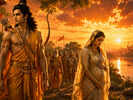
Two sets of parents asked for the same divine being, yet their experiences with Krishna were completely different. One pair wanted Narayana as their child, while another longed to experience His childhood and divine affection. Their story carries a powerful lesson about devotion: what we ask for matters, but the way we ask may quietly decide what we experience.

You Ask Krishna Decides What You Experience
Image credit : ChatGPT (AI)
Have you ever wondered why two people can pray for the same thing but experience it in completely different ways? A beautiful traditional story connected with Krishna offers a fascinating answer. The story speaks of two sets of devotees who desired Narayana as their child. Their prayers were heard, but the experiences that followed were not identical. One couple wanted the Supreme Lord as their son. Another longed for something even more intimate: the joy of raising Him, playing with Him and experiencing His childhood This creates a powerful question for our own lives. When we pray, do we think carefully about what we are actually asking for?
![Dhrona and Dhara Performing Devotion to Lord Narayana]()
According to this traditional account, Dhrona and Dhara performed intense devotion to Brahma with a deep desire in their hearts. They did not simply want wealth, power or liberation. They wanted to experience Narayana with the love of parents for their child. Their wish was unusual because they wanted the Supreme Being to enter their lives through the most intimate relationship possible. Brahma is said to have granted their wish for a future birth. That blessing eventually became connected with their rebirth as Nanda and Yashoda, giving them the opportunity to experience Krishna’s childhood in a deeply personal way.
![Prishni and Sutapa Praying to Lord Narayana]()
Prishni and Sutapa also performed intense penance for Narayana. When He appeared before them, their devotion was filled with a powerful desire. They wanted Him as their son, wanted Him to be born into their family and wanted Him to come through Prishni’s womb. The traditional story says they expressed essentially the same wish repeatedly. Narayana then promised to become their child across three births. Their first experience became associated with Prishnigarbha, their second with Upendra or Vamana, and their third with Krishna. Their story shows how deeply intention can shape the meaning of a prayer.
The first birth connected with Narayana’s promise is traditionally known as Prishnigarbha. Prishni and Sutapa received Narayana as their son, fulfilling the blessing they had received. This was not simply about receiving a divine child. It represented the beginning of a promise that would unfold across three births. In devotional traditions, the story is remembered as an example of how intense spiritual longing can become part of a larger divine narrative. Their journey did not end with one birth. It continued through another life, another identity and eventually toward the birth that is most familiar to devotees today.
In their second birth, Prishni is traditionally identified with Aditi, while Sutapa becomes Sage Kashyapa. Narayana then appeared in their family as Upendra, better known as Vamana. This was another fulfilment of the promise made to their earlier forms. The story becomes especially interesting because the divine promise is not presented as a one-time event. It unfolds gradually across different births and relationships. Each appearance carries its own setting and purpose. Yet the underlying connection remains the same: the devotees had asked for Narayana as their child, and the tradition says that Narayana honoured that desire.
The third birth brought the story to Krishna. Sutapa became Vasudeva and Prishni became Devaki. According to the tradition, Krishna was born to them as the fulfilment of Narayana’s promise. But there was an important difference in their experience. Devaki and Vasudeva understood the divine nature of the child who had appeared before them. They knew they were witnessing something extraordinary. Their experience was filled with awe and awareness of divinity. They received what they had asked for, but their relationship with Krishna was shaped by the way their prayer had been expressed and fulfilled.
At the same time, the traditional story connects Dhrona and Dhara with Nanda and Yashoda. Their blessing was centred on experiencing Narayana through parental affection. So their experience of Krishna was completely different. Yashoda did not simply see the Supreme Lord. She saw her little boy. She fed Him, cared for Him, worried about Him and watched Him play. Krishna’s divine identity did not erase the sweetness of motherhood. This contrast is what makes the story so powerful. Devaki knew Krishna as the divine child, while Yashoda experienced the intimate joy of simply being His mother.
This is where the story becomes personal. When you pray to Krishna, what are you really asking for? Do you want success, or the wisdom to handle success? Do you want happiness, or the strength to remain peaceful when life changes? Do you want Krishna’s presence, or are you ready for the responsibility that comes with deeper devotion? Traditional stories such as this remind us that prayer is not merely about receiving an object or outcome. The intention behind the prayer matters. You may receive what you ask for, but the experience can depend on what you truly desired at the deepest level.
Unlock insightful tips and inspiration on personal growth, productivity, and well-being. Stay motivated and updated with the latest at My Life XP.
Dhrona and Dhara Desired Narayana
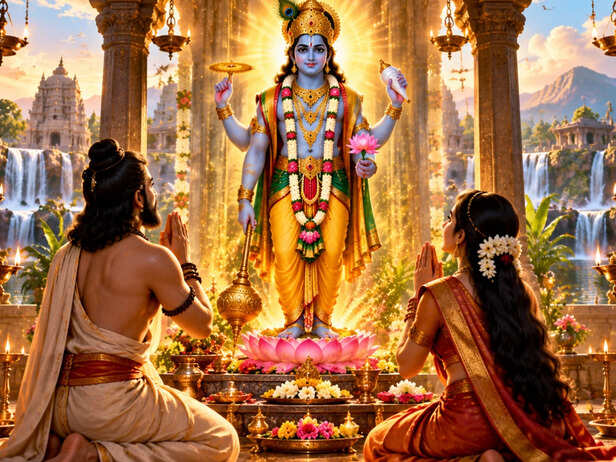
Dhrona and Dhara Performing Devotion to Lord Narayana
Image credit : ChatGPT(AI)
According to this traditional account, Dhrona and Dhara performed intense devotion to Brahma with a deep desire in their hearts. They did not simply want wealth, power or liberation. They wanted to experience Narayana with the love of parents for their child. Their wish was unusual because they wanted the Supreme Being to enter their lives through the most intimate relationship possible. Brahma is said to have granted their wish for a future birth. That blessing eventually became connected with their rebirth as Nanda and Yashoda, giving them the opportunity to experience Krishna’s childhood in a deeply personal way.
Prishni and Sutapa Asked Again and Again
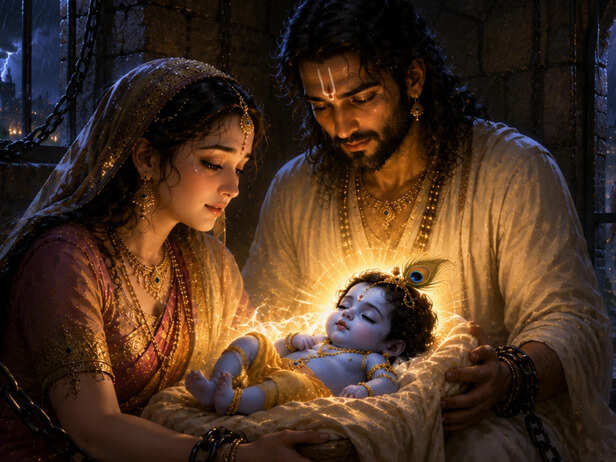
Prishni and Sutapa Praying to Lord Narayana
Image credit : CHATGPT(AI)
Prishni and Sutapa also performed intense penance for Narayana. When He appeared before them, their devotion was filled with a powerful desire. They wanted Him as their son, wanted Him to be born into their family and wanted Him to come through Prishni’s womb. The traditional story says they expressed essentially the same wish repeatedly. Narayana then promised to become their child across three births. Their first experience became associated with Prishnigarbha, their second with Upendra or Vamana, and their third with Krishna. Their story shows how deeply intention can shape the meaning of a prayer.
The First Birth Was Prishnigarbha
Their Second Birth Was Vamana
The Third Birth Brought Krishna
Yashoda Experienced Krishna Differently
Ask Carefully What You Truly Want
Unlock insightful tips and inspiration on personal growth, productivity, and well-being. Stay motivated and updated with the latest at My Life XP.