Lord Ram and Ravana are remembered as two of the most powerful figures in the Ramayana, but have you ever wondered which goddesses were worshipped by their families? Traditional accounts associate Maa Badi Dev Kali in Ayodhya with the Ikshvaku dynasty, the lineage of Lord Ram, while Maa Nikumbhila is linked to Ravana's family and his son Indrajit. These two goddesses have very different identities, yet both are connected with the worship of Shakti. Their stories open an intriguing window into the religious traditions associated with the Ramayana.
Maa Badi Dev Kali: The Goddess of Ram's Lineage
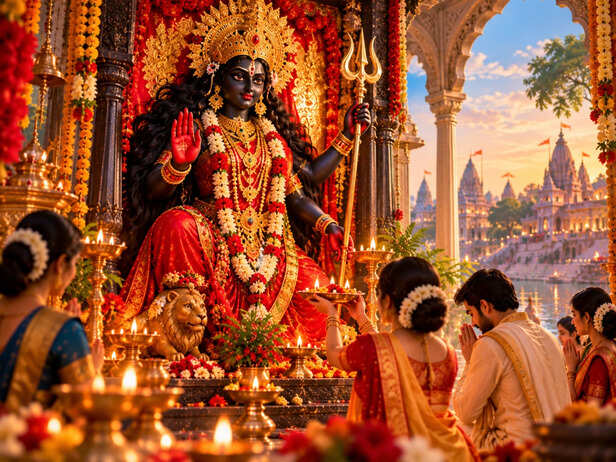
![Maa Badi Dev Kali,]()
Maa Badi Dev Kali,
Image credit : chatgpt(ai)
Maa Badi Dev Kali, worshipped in Ayodhya, is traditionally associated with the Ikshvaku dynasty, also known as the Raghu lineage to which Lord Ram belonged. Local religious traditions connect the goddess with the royal family's worship and important occasions. Stories associated with the shrine describe members of the dynasty seeking the goddess's blessings. However, specific claims about individual visits by Lord Ram or Queen Kaushalya belong to local devotional traditions and should not automatically be treated as established events from every version of the Ramayana. The temple remains a meaningful place of worship for devotees who honour Maa Kali.
Why Kuldevi Worship Matters in Hindu Families
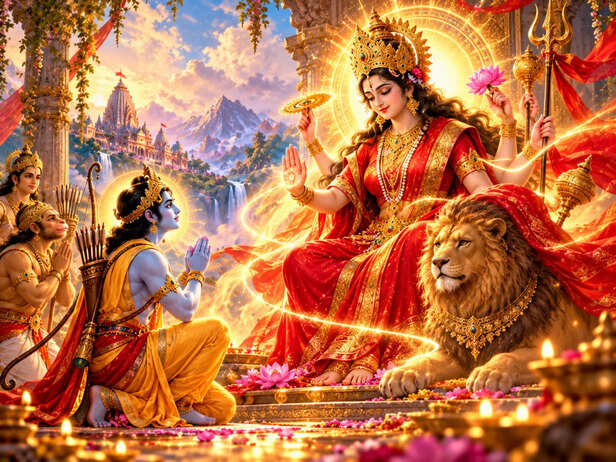
![Rama’s Devotion Before the Divine Mother]()
Rama’s Devotion Before the Divine Mother
Image credit : CHATGPT(AI)
A Kuldevi is a goddess traditionally worshipped as the protective deity of a family, clan or lineage. Many Hindu families maintain this tradition across generations, visiting a particular temple during weddings, births and other important occasions. The identity of a family's Kuldevi often depends on its ancestry, regional customs and inherited religious practices. Some families preserve stories about how their ancestors began worshipping a particular goddess, while others pass the tradition down through household rituals. This is why the Kuldevi of one family may be entirely different from that of another, even within the same community.
Maa Nikumbhila: The Goddess Linked to Ravana's Family
Maa Nikumbhila is associated with Ravana's family in some Ramayana-related traditions and is especially connected with his son Indrajit, also known as Meghanada. The goddess is linked to a fierce form of divine power, and her worship appears in narratives about the rituals Indrajit performed to strengthen himself before battle. Nikumbhila is also associated in some traditions with Pratyangira Devi, a fierce goddess depicted with a lion-like face. The names and their exact relationship vary across religious traditions, so they should not be treated as interchangeable in every text or temple tradition.
The Secret Behind Indrajit's Nikumbhila Ritual
In the Ramayana tradition, Indrajit performs a special ritual at Nikumbhila before facing the forces of Lord Ram. The ritual is connected with his extraordinary strength and his attempt to gain an advantage in battle. Lakshmana eventually confronts Indrajit before he can complete the ritual and defeats him. This episode gives Nikumbhila an important place in the story of the war in Lanka. It also explains why the goddess is often discussed in connection with Ravana's family. The precise details differ between versions of the epic and later retellings.
Two Goddesses, Two Different Traditions
Maa Badi Dev Kali and Maa Nikumbhila are connected with different religious traditions and narratives. Badi Dev Kali is associated with Ayodhya and the lineage of Lord Ram, while Nikumbhila is linked to Ravana's family, particularly Indrajit's ritual worship. Both traditions centre on the power of the goddess, but their stories serve different purposes in the broader Ramayana narrative. It is worth remembering that a Kuldevi tradition can develop through local worship, family history and regional retellings. Not every detail appears in every version of the epic, which is why these associations are best understood with their traditional context.
Unlock insightful tips and inspiration on personal growth, productivity, and well-being. Stay motivated and updated with the latest at My Life XP