Diwali arrives with glowing diyas, prayers to Goddess Lakshmi and hopes for prosperity. But just six days later, the same festive atmosphere takes a different form. People leave their homes, gather at riverbanks and offer prayers to the setting and rising Sun. Have you ever wondered why Chhath Puja follows Diwali so closely? According to a beautiful traditional interpretation, these two festivals carry a deeper connection. Diwali celebrates prosperity and happiness, while Chhath expresses prayers for health, family well-being and the long life of children. Their six-day gap carries a meaningful message about what makes a family truly happy.
Diwali Invites Prosperity Into the Home
![Dhanteras Lakshmi Kuber Puja Muhurat]()
Dhanteras Lakshmi Kuber Puja Muhurat
Image credit : CHATGPT(AI)
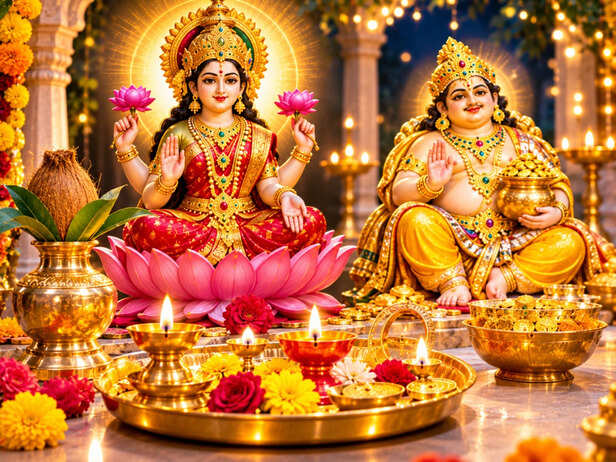
Diwali is traditionally associated with the worship of Goddess Lakshmi, the deity of wealth and prosperity. Families clean their homes, decorate entrances with rangoli and light rows of diyas to welcome her blessings. The prayers are not limited to money alone. People also seek peace, stability and happiness in their households. A prosperous home is considered a place where family members can live comfortably and peacefully. But does having wealth alone make life complete? This is where the traditional connection with Chhath Puja begins.
Six Days Later, The Focus Shifts to Health
![Chhathi Maiya and the Blessings of Family Well-Being]()
Chhathi Maiya and the Blessings of Family Well-Being
Image credit : CHATGPT(AI)
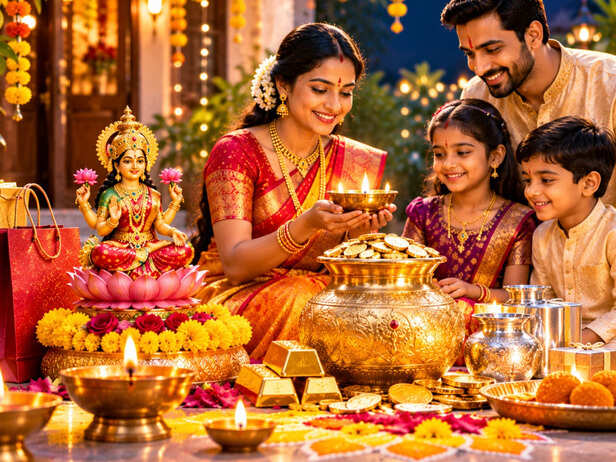
Just six days after Diwali, the sixth day of the lunar fortnight in the Hindu month of Kartik brings Chhath Puja. Devotees worship Chhathi Maiya and offer prayers for the well-being, protection and long life of their children. The festival is especially important for families in Bihar, Jharkhand, eastern Uttar Pradesh and other parts of India. Its message goes beyond prosperity. It reminds people that a family's happiness also depends on the health and well-being of those they love.
Surya Dev Becomes the Centre of Worship
Unlike Diwali, when Goddess Lakshmi is central to the prayers, Chhath Puja places Surya Dev at the heart of its rituals. Devotees offer Arghya, or a sacred water offering, to the setting Sun and then repeat the ritual at sunrise the next morning. The Sun is revered as the source of light, energy and life. Through these offerings, devotees express gratitude and pray for health, strength and prosperity. Worshipping both the setting and rising Sun also gives the festival a beautiful sense of continuity.
The Six-Day Gap Carries a Beautiful Message
There is a beautiful way to understand the sequence of these festivals. Diwali is associated with inviting prosperity into the home, while Chhath turns attention towards protecting and nurturing the happiness that already exists there. Wealth can make life comfortable, but good health and the well-being of children make that happiness meaningful. This is a traditional spiritual interpretation rather than a universally prescribed scriptural explanation for the six-day gap. Together, the festivals remind devotees to pray not only for what they wish to receive but also for what they wish to preserve.
From Home Diyas to Riverbank Offerings
Look closely at the way these festivals are celebrated. During Diwali, diyas illuminate doorways, balconies and courtyards. Six days later, Chhath brings devotees to rivers, ponds and other water bodies, where they offer Arghya to the Sun. The settings are different, but light remains a common symbol. The diya represents hope and positivity, while the Sun represents life and energy. This visual connection offers a memorable way to understand the festive journey from welcoming happiness into the home to praying for its continued well-being.
Chhath Teaches Gratitude and Discipline
Chhath Puja is known for its strict rituals and disciplined observance. Devotees prepare traditional offerings such as thekua, fruits and seasonal produce. Many observe a fast, maintain cleanliness and follow specific customs throughout the festival. The rituals require patience, dedication and careful preparation. Offering prayers to the Sun also encourages gratitude towards nature and the elements that sustain life. For many families, Chhath is not just a religious occasion but a tradition passed down through generations, bringing relatives and communities together.
Together, Diwali and Chhath Complete a Beautiful Thought
Diwali and Chhath may have different rituals, but they share a common emotional thread: the happiness of the family. Diwali brings prayers for wealth, peace and prosperity, while Chhath expresses gratitude to Surya Dev and prayers for health and the well-being of children. One festival fills homes with the glow of diyas, while the other brings families together beside rivers and ponds. Their traditional sequence offers a simple reminder: happiness is not just about receiving blessings but also about caring for the people who make life meaningful.
Unlock insightful tips and inspiration on personal growth, productivity, and well-being. Stay motivated and updated with the latest at
My Life XP.