Why Is Jitiya Vrat Called a Mother’s Toughest Fast?
Noopur Kumari | Oct 02, 2026, 11:00 IST
Why would generation after generation of women opt for such a strenuous vow? The answer to that can be found in the cultural belief associated with Jivitputrika Vrat and how it is tied in with the safety of the child. This vrat is usually practiced in Bihar, Jharkhand, Uttar Pradesh and Nepal, where it is also called as Jitiya.

ChatGPT Image Oct 1, 2026, 02_54_51 PM
Image credit : ChatGPT (ai)
Even giving up water for the sake of one’s child seems like something out of the world; however, it is precisely because of such stringent conditions that make Jivitputrika Vrat, also called Jitiya Vrat, one of the most challenging fasts. Jitiya is scheduled to fall on October 3, Saturday, in Krishna Paksha Ashtami of 2026. This vrat is observed as nirjala fast; hence, fasting devotees neither consume food nor drink water throughout the vrat period.
However, this is not all about Jitiya. There lies a story behind Jitiya that has made the festival a unique observance. It involves the legend of King Jimutavahana and his selfless sacrifice.
![Jitiya Vrat]()
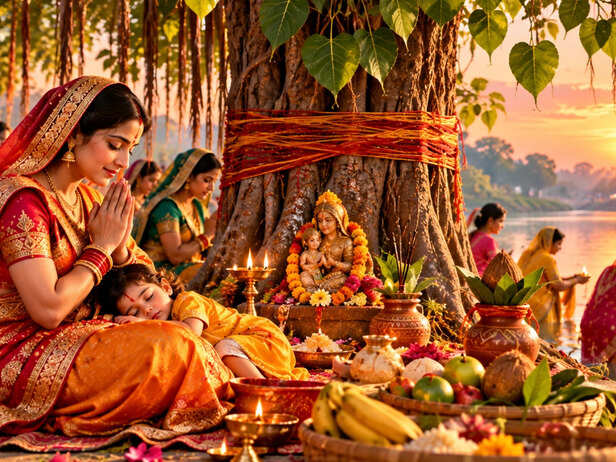
Jivitputrika Vrat 2026 takes place on Saturday, October 3. According to the Drik Panchang, the start time of Krishna Paksha Ashtami is 7:59 AM on October 3 and its end time is 5:51 AM on October 4 for the mentioned Indian region. The usual timing starts with Nahay Khay on October 2, after that comes the nirjala fasting on October 3 and Parana on October 4. The timings for religious rituals might differ from place to place; therefore, one needs to refer to the regional panchang of his or her city.
![Mother Observing Jitiya Vrat]()
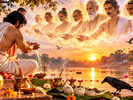
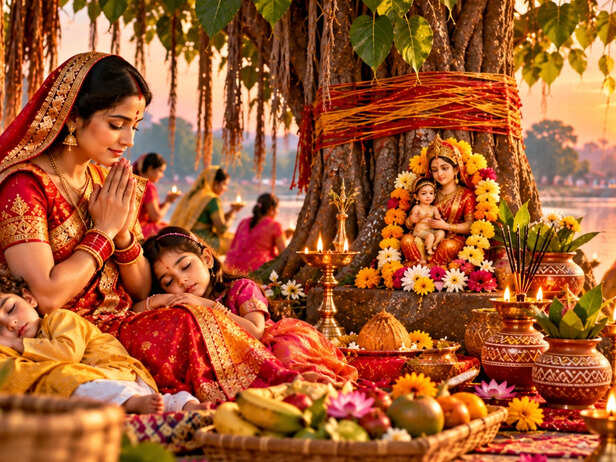
The Jivitputrika Vrat is performed by mothers traditionally to ensure that their children live a long healthy life. As stated in Drik Panchang, it is one of the important fasting days that is symbolic of the mother’s love, devotion, and penance. Traditionally, the fasting is done in nirjala mode which makes it physically difficult since devotees do not consume any food and water during the fast. However, the physical challenge is meant to add to the spiritual significance of the vrat. But fasting without water is physically tough, and not everyone might want to observe it.
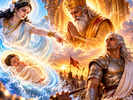
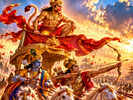
As per the legend of Jivitputrika Vrat Katha, King Jimutavahana had come across a sorrowful young man and a lady crying for her son while on a journey with his brother-in-law Mitravashu. Jimutavahana finds out that the young man is a Naga called Shankhachuda, and according to fate, he would be eaten by Garuda, who happens to be the divine eagle related to Lord Vishnu. However, instead of ignoring the plight of the young Naga, King Jimutavahana chose to help him.
This reaction on Jimutavahana’s part makes the Jitiya Vrat story such an emotionally appealing one. Jimutavahana chooses to give himself instead of Shankhachuda. The king realizes that Garuda would come to take away the Naga, but he is ready to face the risk himself. This reaction of his is seen by the story as an act of compassion, courage and self-sacrifice. The reason why this particular incident has to be told in Jivitputrika Vrat is not only the drama of the situation, but also the moral lesson behind it.
In contrast to the many common fasts which include fruit and water consumption by the worshipers, the Jitiya vrat has been traditionally observed as a nirjala one. Another aspect of Jitiya vrat is that it is related to motherhood and children. The festival is especially widely celebrated in Bihar, Jharkhand and eastern part of Uttar Pradesh and in Nepal it is celebrated as Jitiya. This means that the vrat has both ritual and cultural significance. Thus, families get together for puja, listen to vrat katha and observe regional traditions. Different practices might be followed by different communities and families.
Unlock insightful tips and inspiration on personal growth, productivity, and well-being. Stay motivated and updated with the latest at My Life XP.
Why mothers keep Jitiya Vrat?
Mothers observe Jitiya Vrat to ensure the long life, good health, safety and prosperity of their children.
What is the legend of Jitiya Vrat?
The vrat is traditionally believed to have originated from the legend of king Jimutavahana.
Is Jitiya Vrat always a Nirjala Vrat?
Jitiya is generally a Nirjala vrat, but still depending upon various factors such as individual choice, place etc., the fast may vary. Expectant women, sick person, elderly and those who take medicines regularly should not undertake the fast.
However, this is not all about Jitiya. There lies a story behind Jitiya that has made the festival a unique observance. It involves the legend of King Jimutavahana and his selfless sacrifice.
Jitiya Vrat 2026: When Is It?
Jitiya Vrat
Jivitputrika Vrat 2026 takes place on Saturday, October 3. According to the Drik Panchang, the start time of Krishna Paksha Ashtami is 7:59 AM on October 3 and its end time is 5:51 AM on October 4 for the mentioned Indian region. The usual timing starts with Nahay Khay on October 2, after that comes the nirjala fasting on October 3 and Parana on October 4. The timings for religious rituals might differ from place to place; therefore, one needs to refer to the regional panchang of his or her city.
Why Do Mothers See This Quickly?
Mother Observing Jitiya Vrat
Image credit : chatgpt(ai)
The Jivitputrika Vrat is performed by mothers traditionally to ensure that their children live a long healthy life. As stated in Drik Panchang, it is one of the important fasting days that is symbolic of the mother’s love, devotion, and penance. Traditionally, the fasting is done in nirjala mode which makes it physically difficult since devotees do not consume any food and water during the fast. However, the physical challenge is meant to add to the spiritual significance of the vrat. But fasting without water is physically tough, and not everyone might want to observe it.
The Story Starts With Jimutavahana
Why Did Jimutavahana Lose His Life?
What Is Unique About Jitiya?
Unlock insightful tips and inspiration on personal growth, productivity, and well-being. Stay motivated and updated with the latest at My Life XP.
Frequently Asked Questions (FAQs)
Mothers observe Jitiya Vrat to ensure the long life, good health, safety and prosperity of their children.
What is the legend of Jitiya Vrat?
The vrat is traditionally believed to have originated from the legend of king Jimutavahana.
Is Jitiya Vrat always a Nirjala Vrat?
Jitiya is generally a Nirjala vrat, but still depending upon various factors such as individual choice, place etc., the fast may vary. Expectant women, sick person, elderly and those who take medicines regularly should not undertake the fast.