4 Divine Guardians Quietly Protecting Hindu Families
Noopur Kumari | Sat, 14 Mar 2026
In Hindu tradition, divinity is not distant or abstract. It lives quietly within everyday life. Your family lineage, personal faith, village community, and even the land around you are believed to have sacred guardians. These protectors are known as Kuldevta, Ishta Devta, Gram Devta, and Kshetrapal. Each one watches over a different part of life ancestors, the soul, the community, and sacred spaces. Many people know the names but rarely understand their deeper meaning. Once you explore these guardians, a hidden spiritual system begins to appear one that has silently protected Hindu families and traditions for centuries.

4 Sacred Guardians Every Hindu
Image credit : ChatGPT(ai)
In many Hindu homes, the first prayer of the day is offered to a name that outsiders rarely recognize. It is not always a famous deity worshipped across temples and scriptures. Sometimes, it is a guardian deeply connected to the family itself one believed to have protected generations. While many people know popular gods, fewer understand the deeper spiritual structure within Hindu tradition. This ancient system includes guardians of the family, the soul, the village, and even the land. These divine protectors quietly shape the spiritual lives of millions. But who are these sacred guardians, and why do they still hold such importance today?
![Kuldevta Temple Worship]()
A Kuldevta or Kuldevi is the guardian deity of a family lineage. The word comes from Kul, meaning family, and Devta, meaning deity. Many Hindu families believe their ancestors were spiritually protected by a specific god or goddess. This protector may be Hanuman, Bhairava, or a form of Durga. Before weddings, housewarmings, or naming ceremonies, families traditionally pray to their Kuldevta first. It is believed that honoring this deity respects ancestors and ensures protection and harmony for future generations.
![Personal Devotion in Hindu Worship]()
An Ishta Devta is a personal form of the Divine that a person feels deeply connected to. Some people feel drawn to Krishna, others to Ganesha, while some worship Shiva. Unlike the Kuldevta, which is linked to family tradition, the Ishta Devta comes from personal spiritual attraction. Devotees chant specific mantras, offer prayers, and even speak to their deity like a close companion. Over time, this relationship becomes deeply emotional and spiritual, guiding a person through life’s challenges and helping them feel a personal connection with the Divine.
![Village Temple of Gram Devta]()
In traditional Hindu society, every village has a spiritual guardian known as the Gram Devta. Unlike Kuldevta, this deity belongs to the entire community rather than one family. The Gram Devta is believed to protect the village from disease, disasters, and misfortune. Many villages worship forms of Shiva, Bhairava, or powerful local goddesses. Festivals, fairs, and traditional gatherings are often centered around their temples. These celebrations strengthen community bonds and remind villagers that their well-being is connected to shared faith and collective devotion.
The word Kshetrapal comes from Sanskrit, where “Kshetra” means land or region and “Pal” means protector. This deity is often seen as a fierce guardian who protects sacred spaces from negative energies. In many ancient temples, especially in western India, a shrine to Kshetrapal stands near the entrance. Devotees pause here before entering the temple to seek permission and protection. Kshetrapal is often associated with forms of Shiva. Lighting incense or offering mustard oil at these shrines symbolizes respect for the unseen forces guarding sacred land.
Hindu spirituality is unique because it connects divinity with every layer of life. It is not limited to temples or rituals. It lives within family traditions, personal devotion, community faith, and even the sacred land people live on. Kuldevta protects the family lineage and ancestral blessings. Ishta Devta becomes the personal guide of the soul. Gram Devta watches over the entire village and its well-being. Kshetrapal guards temples and sacred spaces from negative forces. Together, these divine guardians form a spiritual network that has protected Hindu culture for centuries. The comforting belief is simple yet powerful you are never spiritually alone in life.
Unlock insightful tips and inspiration on personal growth, productivity, and well-being. Stay motivated and updated with the latest at My Life XP.
1. What is a Kuldevta in Hindu tradition?
A Kuldevta (or Kuldevi) is the guardian deity of a particular family or clan. The word comes from “Kul,” meaning family, and “Devta,” meaning deity. Many Hindu families believe their ancestors were protected by a specific divine power. Before important events like weddings, housewarmings, or naming ceremonies, families traditionally seek blessings from their Kuldevta to ensure protection, harmony, and continuity of the family lineage.
2. What is the difference between Kuldevta and Ishta Devta?
A Kuldevta is connected to family lineage and is shared by members of the same clan. An Ishta Devta, on the other hand, is a personal deity that an individual feels spiritually connected to. A person may naturally feel drawn to gods like Krishna, Shiva, or Ganesha as their Ishta Devta.
3. Who is the Gram Devta?
A Gram Devta is the guardian deity of a village or local community. Unlike Kuldevta, this deity is worshipped collectively by everyone living in the area. Gram Devta is believed to protect the village from diseases, natural disasters, and misfortune, while also ensuring prosperity and harmony among the residents.
4. What does Kshetrapal mean?
The word Kshetrapal comes from Sanskrit, where “Kshetra” means land or region and “Pal” means protector. Kshetrapal is believed to guard sacred spaces, temple grounds, and village boundaries. Many ancient temples have small shrines dedicated to Kshetrapal near the entrance, reminding devotees to seek protection before entering the sacred space.
5. Why are these guardians important in Hindu culture?
These guardians reflect the Hindu belief that divinity exists in every aspect of life. From family and personal faith to community and sacred land, each guardian represents protection and spiritual connection. Together, they create a system that strengthens tradition, preserves cultural identity, and reminds devotees that divine protection is always present.
Kuldevta : The Family’s Ancient Protector
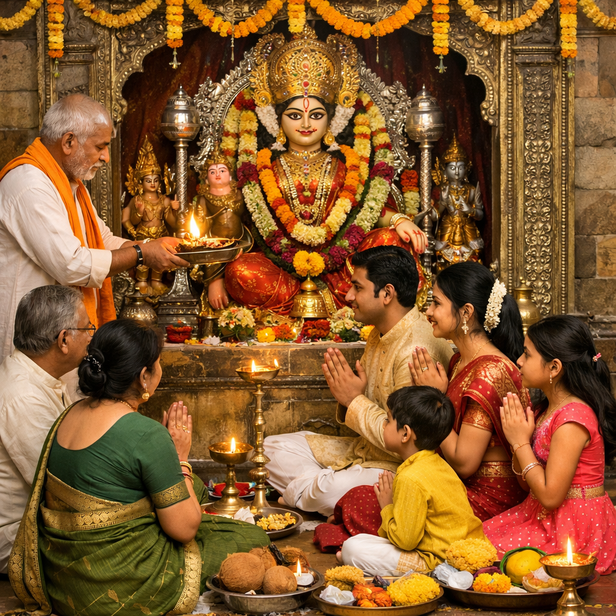
Kuldevta Temple Worship
Image credit : CHATGPT(AI)
A Kuldevta or Kuldevi is the guardian deity of a family lineage. The word comes from Kul, meaning family, and Devta, meaning deity. Many Hindu families believe their ancestors were spiritually protected by a specific god or goddess. This protector may be Hanuman, Bhairava, or a form of Durga. Before weddings, housewarmings, or naming ceremonies, families traditionally pray to their Kuldevta first. It is believed that honoring this deity respects ancestors and ensures protection and harmony for future generations.
Ishta Devta : The Soul’s Personal God
Personal Devotion in Hindu Worship
Image credit : CHATGPT(AI)
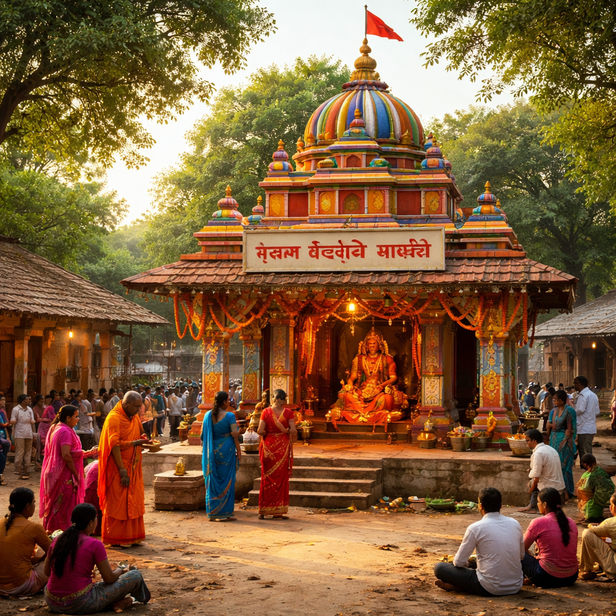
An Ishta Devta is a personal form of the Divine that a person feels deeply connected to. Some people feel drawn to Krishna, others to Ganesha, while some worship Shiva. Unlike the Kuldevta, which is linked to family tradition, the Ishta Devta comes from personal spiritual attraction. Devotees chant specific mantras, offer prayers, and even speak to their deity like a close companion. Over time, this relationship becomes deeply emotional and spiritual, guiding a person through life’s challenges and helping them feel a personal connection with the Divine.
Gram Devta : The Village Guardian
Village Temple of Gram Devta
Image credit : CHATGPT(AI)
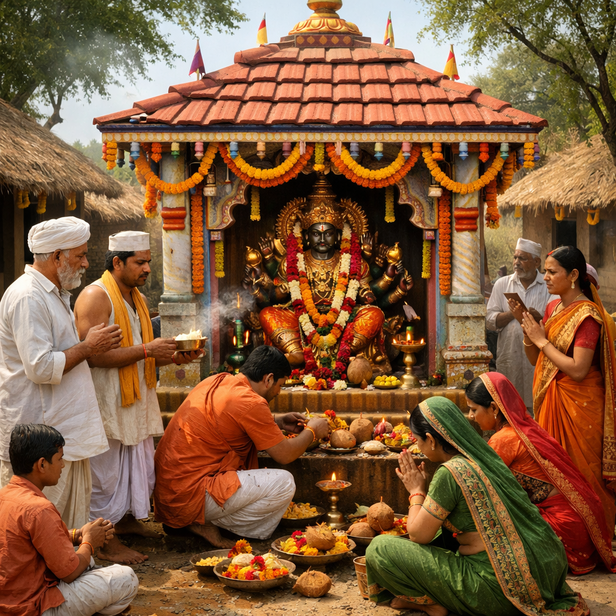
In traditional Hindu society, every village has a spiritual guardian known as the Gram Devta. Unlike Kuldevta, this deity belongs to the entire community rather than one family. The Gram Devta is believed to protect the village from disease, disasters, and misfortune. Many villages worship forms of Shiva, Bhairava, or powerful local goddesses. Festivals, fairs, and traditional gatherings are often centered around their temples. These celebrations strengthen community bonds and remind villagers that their well-being is connected to shared faith and collective devotion.
Kshetrapal : The Protector of Sacred Land
Powerful Reason Hindus Worship Family Deities
Unlock insightful tips and inspiration on personal growth, productivity, and well-being. Stay motivated and updated with the latest at My Life XP.
Frequently Asked Questions (FAQs)
A Kuldevta (or Kuldevi) is the guardian deity of a particular family or clan. The word comes from “Kul,” meaning family, and “Devta,” meaning deity. Many Hindu families believe their ancestors were protected by a specific divine power. Before important events like weddings, housewarmings, or naming ceremonies, families traditionally seek blessings from their Kuldevta to ensure protection, harmony, and continuity of the family lineage.
2. What is the difference between Kuldevta and Ishta Devta?
A Kuldevta is connected to family lineage and is shared by members of the same clan. An Ishta Devta, on the other hand, is a personal deity that an individual feels spiritually connected to. A person may naturally feel drawn to gods like Krishna, Shiva, or Ganesha as their Ishta Devta.
3. Who is the Gram Devta?
A Gram Devta is the guardian deity of a village or local community. Unlike Kuldevta, this deity is worshipped collectively by everyone living in the area. Gram Devta is believed to protect the village from diseases, natural disasters, and misfortune, while also ensuring prosperity and harmony among the residents.
4. What does Kshetrapal mean?
The word Kshetrapal comes from Sanskrit, where “Kshetra” means land or region and “Pal” means protector. Kshetrapal is believed to guard sacred spaces, temple grounds, and village boundaries. Many ancient temples have small shrines dedicated to Kshetrapal near the entrance, reminding devotees to seek protection before entering the sacred space.
5. Why are these guardians important in Hindu culture?
These guardians reflect the Hindu belief that divinity exists in every aspect of life. From family and personal faith to community and sacred land, each guardian represents protection and spiritual connection. Together, they create a system that strengthens tradition, preserves cultural identity, and reminds devotees that divine protection is always present.