5 Ways Shiva Teaches Detachment Without Words
Deepika Kataria | 31ec 31, 2025, 10:29 IST
Shiva’s life is a silent lesson in detachment. Through isolation without loneliness, ash as impermanence, stillness amid chaos, love without possession, and calm acceptance of pain, Shiva reveals that detachment is not rejection of life but inner clarity. True freedom arises when experience is met without fear, control, or clinging.

Shiva does not teach through sermons. He does not persuade, argue, or command. His lessons are silent, visual, and often unsettling. Unlike deities who guide through dialogue or instruction, Shiva instructs through posture, setting, and symbolism. Detachment, in Shiva’s world, is not an idea to be understood it is a state to be embodied.
His entire existence demonstrates how freedom arises not from rejection of life, but from non clinging within it. Here are five profound ways Shiva teaches detachment without ever speaking.
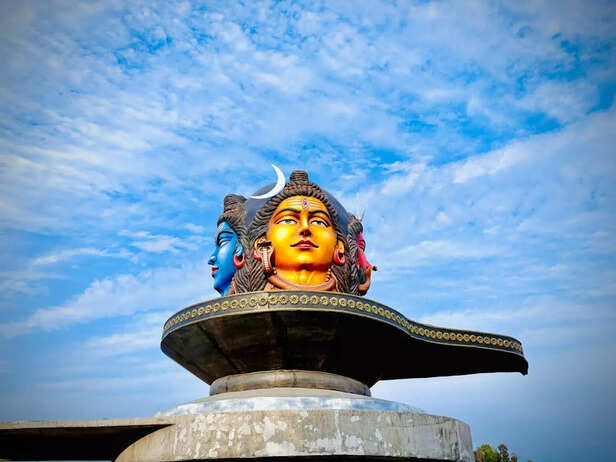
![Shiva Beyond Society]() Shiva does not reside in palaces or sacred cities. He lives in cremation grounds, forests, and mountains spaces society avoids. These are not places of comfort or status. They are places where illusions fall away. Cremation grounds, especially, represent the final truth: everything ends here. Wealth, beauty, identity, and pride all dissolve into ash.
Shiva does not reside in palaces or sacred cities. He lives in cremation grounds, forests, and mountains spaces society avoids. These are not places of comfort or status. They are places where illusions fall away. Cremation grounds, especially, represent the final truth: everything ends here. Wealth, beauty, identity, and pride all dissolve into ash.
By choosing such spaces, Shiva demonstrates detachment from social validation. He shows that truth does not require approval. Detachment begins when one is no longer dependent on admiration, reputation, or belonging to feel whole. Shiva’s isolation is not loneliness; it is freedom from the need to be seen.
In modern life, this teaching confronts our obsession with recognition. Shiva reminds us that dependence on external validation binds the mind more tightly than any physical chain.
Shiva is often depicted smeared in ash, the residue of what once was alive. Ash symbolizes impermanence.
It is what remains when form is destroyed. While other gods are adorned with jewels, silk, and gold, Shiva chooses the most minimal and unsettling decoration.
This is not a rejection of beauty it is a reminder not to mistake it for permanence. Ash teaches detachment by making decay visible. It strips life down to its essential truth: everything changes, and nothing can be possessed forever.
By wearing ash, Shiva does not deny the world; he sees it clearly. Detachment here is not about renunciation, but about perception. When one truly understands impermanence, clinging becomes unnecessary.
Through
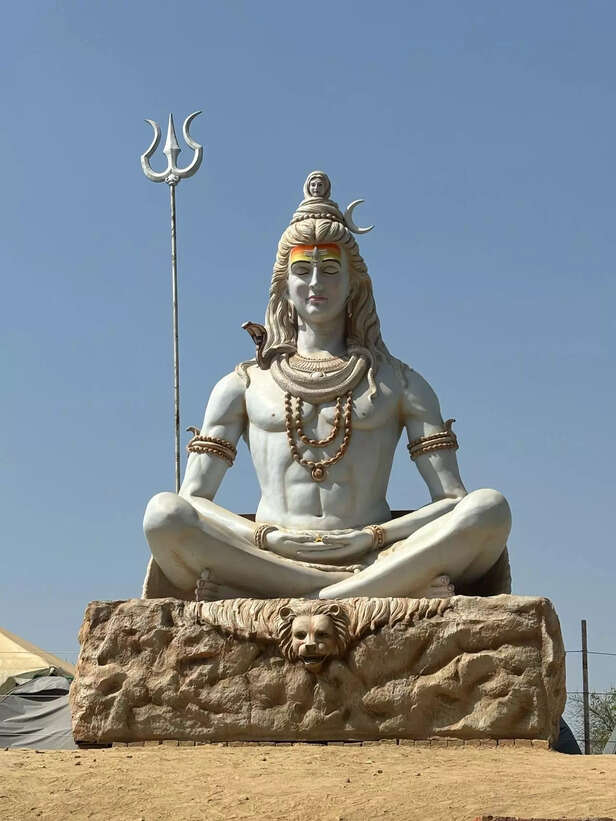
![Silence as Teaching]() Shiva is the lord of cosmic dance, yet he is also the supreme yogi in deep meditation. This contrast is deliberate. He dances while the universe moves, yet remains inwardly unmoved. His stillness is not escape; it is mastery.
Shiva is the lord of cosmic dance, yet he is also the supreme yogi in deep meditation. This contrast is deliberate. He dances while the universe moves, yet remains inwardly unmoved. His stillness is not escape; it is mastery.
Detachment, in this form, means remaining centered even when life is turbulent. Shiva does not withdraw from chaos he sits within it, unaffected.
His silence teaches that peace is not found by controlling external events, but by releasing inner resistance.
In a world addicted to reaction, Shiva’s stillness is radical. It suggests that freedom lies not in fixing everything, but in not letting everything enter and disturb the mind.
Shiva is not detached because he lacks love. He is deeply connected to Parvati, to his children, to the cosmos itself. Yet he is not bound by attachment. This distinction is crucial. Attachment demands possession; love allows freedom.
Shiva marries, becomes a householder, and still remains detached. His life refutes the idea that detachment requires isolation. Instead, he teaches that one can participate fully without clinging.
This silent lesson challenges the belief that spirituality and life are opposites. Shiva shows that detachment is an inner posture, not an external lifestyle. You can love deeply and still remain free if love is not rooted in fear of loss.
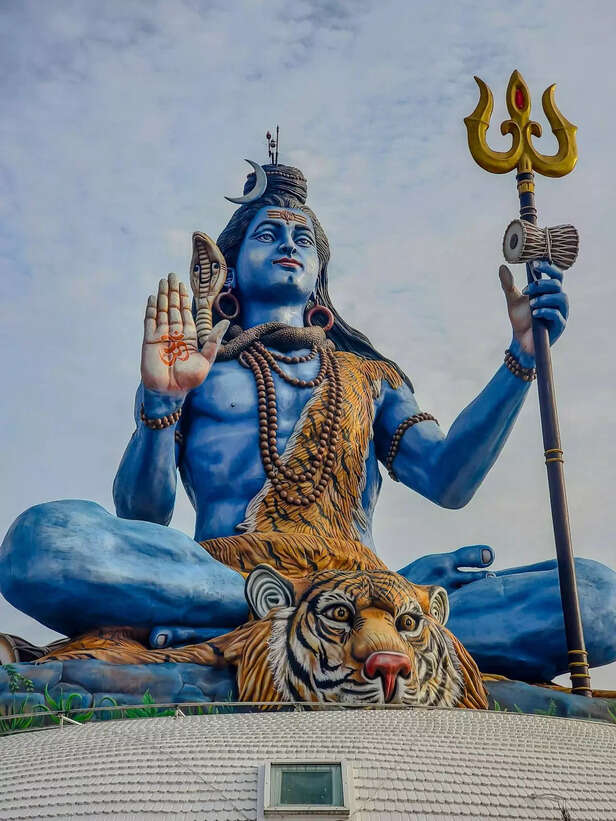
![Holding the Poison]() One of Shiva’s most powerful silent teachings comes from the churning of the cosmic ocean, when poison emerges that could destroy existence.
One of Shiva’s most powerful silent teachings comes from the churning of the cosmic ocean, when poison emerges that could destroy existence.
While others recoil, Shiva calmly consumes it, holding it in his throat. He neither spits it out nor lets it destroy him.
This act symbolizes emotional detachment.
Poison represents pain, fear, anger, and trauma the unavoidable by products of life. Shiva teaches that detachment does not mean avoidance. It means the capacity to hold suffering without letting it consume the self.
He does not transform poison into nectar. He contains it. This is a subtle but profound lesson: detachment is not denial; it is resilience. It is the ability to experience difficulty without becoming it.
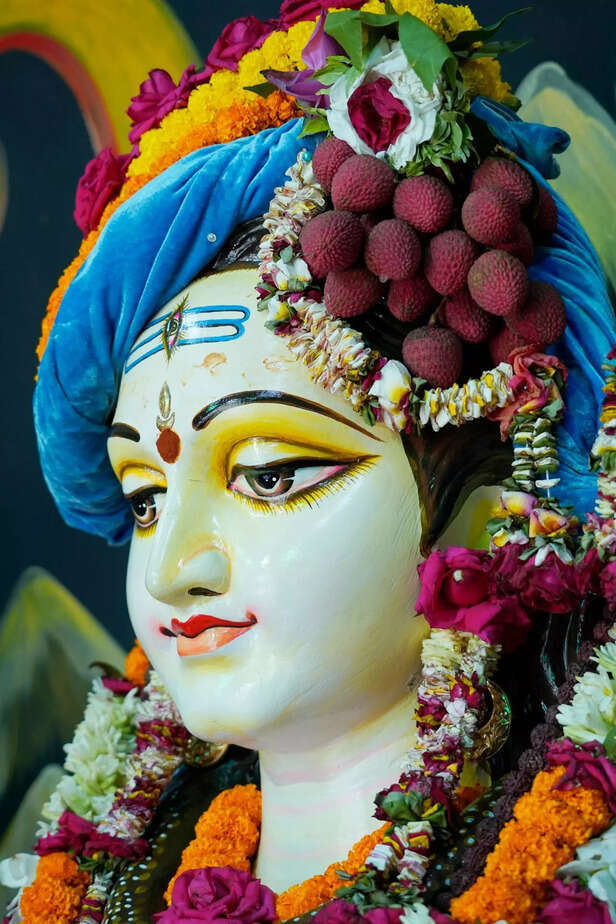
![Stillness in Motion]() Shiva teaches detachment not through doctrine, but through being. His life shows that detachment is not coldness, withdrawal, or indifference. It is clarity. It is the freedom to move through life without being owned by it.
Shiva teaches detachment not through doctrine, but through being. His life shows that detachment is not coldness, withdrawal, or indifference. It is clarity. It is the freedom to move through life without being owned by it.
By living outside social norms, embracing impermanence, remaining still in chaos, loving without possession, and facing pain without fear, Shiva becomes a living lesson in inner liberation. His silence speaks louder than instruction because it invites observation, not obedience.
In a world driven by accumulation, reaction, and attachment, Shiva stands as a reminder that true power lies in letting go not of life, but of the illusion that life must be controlled to be lived fully.
His entire existence demonstrates how freedom arises not from rejection of life, but from non clinging within it. Here are five profound ways Shiva teaches detachment without ever speaking.
By Living on the Margins of Society
Shiva Beyond Society
By choosing such spaces, Shiva demonstrates detachment from social validation. He shows that truth does not require approval. Detachment begins when one is no longer dependent on admiration, reputation, or belonging to feel whole. Shiva’s isolation is not loneliness; it is freedom from the need to be seen.
In modern life, this teaching confronts our obsession with recognition. Shiva reminds us that dependence on external validation binds the mind more tightly than any physical chain.
By Wearing Ash Instead of Ornament
It is what remains when form is destroyed. While other gods are adorned with jewels, silk, and gold, Shiva chooses the most minimal and unsettling decoration.
This is not a rejection of beauty it is a reminder not to mistake it for permanence. Ash teaches detachment by making decay visible. It strips life down to its essential truth: everything changes, and nothing can be possessed forever.
By wearing ash, Shiva does not deny the world; he sees it clearly. Detachment here is not about renunciation, but about perception. When one truly understands impermanence, clinging becomes unnecessary.
Through Stillness Amid Chaos
Silence as Teaching
Detachment, in this form, means remaining centered even when life is turbulent. Shiva does not withdraw from chaos he sits within it, unaffected.
His silence teaches that peace is not found by controlling external events, but by releasing inner resistance.
In a world addicted to reaction, Shiva’s stillness is radical. It suggests that freedom lies not in fixing everything, but in not letting everything enter and disturb the mind.
By Holding Both Love and Non Attachment
Shiva marries, becomes a householder, and still remains detached. His life refutes the idea that detachment requires isolation. Instead, he teaches that one can participate fully without clinging.
This silent lesson challenges the belief that spirituality and life are opposites. Shiva shows that detachment is an inner posture, not an external lifestyle. You can love deeply and still remain free if love is not rooted in fear of loss.
By Accepting Poison Without Panic
Holding the Poison
While others recoil, Shiva calmly consumes it, holding it in his throat. He neither spits it out nor lets it destroy him.
This act symbolizes emotional detachment.
Poison represents pain, fear, anger, and trauma the unavoidable by products of life. Shiva teaches that detachment does not mean avoidance. It means the capacity to hold suffering without letting it consume the self.
He does not transform poison into nectar. He contains it. This is a subtle but profound lesson: detachment is not denial; it is resilience. It is the ability to experience difficulty without becoming it.
Detachment as Inner Freedom
Stillness in Motion
By living outside social norms, embracing impermanence, remaining still in chaos, loving without possession, and facing pain without fear, Shiva becomes a living lesson in inner liberation. His silence speaks louder than instruction because it invites observation, not obedience.
In a world driven by accumulation, reaction, and attachment, Shiva stands as a reminder that true power lies in letting go not of life, but of the illusion that life must be controlled to be lived fully.