7 Teachings of Rabindranath Tagore for Success & Inner Peace
Deepak Rajeev | Sat, 09 May 2026
Rabindranath Tagore’s teachings go beyond inspiration, offering deep insights into success and inner peace. His philosophy emphasizes action over fear, humility over ego, courage over avoidance, and meaningful living over material pursuit. These expanded life lessons explain how Tagore’s wisdom helps build a balanced life where personal success and emotional stability grow together through awareness, contribution, and inner clarity.

Tagore Jayanti 2026 | Instagram - @rabindranath.tagore
Rabindranath Tagore’s ideas are often quoted in short lines, but their real meaning goes much deeper than motivational phrases. He was not offering “quick success tips.” He was pointing toward a way of living where success and inner peace grow together, instead of fighting each other. Each of these teachings carries a practical and emotional depth that still applies strongly to modern life.
![Tagore | Instagram - @rabindranath.tagore]()
This teaching is about the gap between thinking and doing. Tagore is pointing out a very common human habit: overthinking without action. Many people spend years planning their future, analyzing every risk, and waiting for the “perfect time.” But life rarely gives perfect conditions. Tagore’s message is simple but powerful. Progress begins only when action starts, even if conditions are imperfect. Success is not created in imagination alone; it is built through repeated effort, mistakes, and learning. On a deeper level, this also connects to inner peace. A restless mind often comes from unfinished actions and delayed decisions. When a person starts acting with clarity, mental pressure reduces. Movement replaces confusion. That is where calmness begins.
![Rabindranath Tagore | Instagram - @rabindranath.tagore]()
This quote speaks about inner trust during uncertain times. Tagore is describing people who can sense hope even when there is no visible proof of it. The “bird singing before dawn” is a symbol of confidence before results appear. In real life, this means continuing effort even when outcomes are not immediate. Success often requires working in situations where results are not yet visible. Faith here is not blind belief, but steady inner confidence that effort will eventually create change. For inner peace, this teaching reduces anxiety about the future. Instead of demanding certainty at every step, a person learns to stay steady even in uncertainty. That emotional stability is what Tagore connects with true strength.
Tagore challenges perfectionism and fear of mistakes. Many people avoid trying new things because they are afraid of failure. But he is saying that if you remove all chances of error, you also remove the possibility of discovering something new. In terms of success, every major achievement involves mistakes, corrections, and learning cycles. A person who avoids error completely often avoids growth as well. For inner peace, this teaching removes unnecessary pressure. When mistakes are accepted as part of learning, guilt and fear reduce. The mind becomes more open, flexible, and calm. Instead of fighting mistakes, a person starts learning from them.
This teaching is about meaning and contribution. Tagore is saying that life becomes valuable not just by what we take, but by what we give back. Success, in this sense, is not only personal achievement. It is also about usefulness. When a person contributes to others- through work, kindness, creativity, or service- life feels more meaningful. Inner peace naturally increases when life has purpose beyond self-interest. A purely self-centered life often creates emptiness, even after success. But when a person feels useful to others, emotional satisfaction becomes deeper and more stable.
Tagore places humility above pride. He believed that ego creates distance from truth and learning. A person who thinks they already know everything stops growing. In success terms, humility allows continuous learning. Every field evolves, and only those who remain open can adapt. Humility keeps a person teachable, and that directly supports long-term success. For inner peace, humility reduces internal conflict. Ego often creates comparison, jealousy, and insecurity. When humility replaces ego, the mind becomes lighter and less defensive. That leads to emotional stability.
Tagore is not asking for a life without problems. He is asking for courage. Problems, risks, and uncertainty are part of life. Avoiding them completely is impossible. Success comes when a person learns to face challenges instead of escaping them. Fear often stops action more than actual danger does. When fear reduces, capability increases. On the inner peace side, this teaching is very important. Fear creates constant mental stress. But fearlessness does not mean recklessness; it means mental strength to stay calm under pressure. That calmness is what creates real stability in life.
This teaching focuses on the quality of time, not just quantity. Tagore is reminding us that life is not meant to be lived only in schedules, deadlines, and future planning. Success is often associated with long-term goals, but inner satisfaction comes from how deeply we experience each moment. When life is rushed, even success feels empty. This teaching encourages presence. When a person fully experiences what they are doing right now, even small moments feel meaningful. That awareness reduces mental fatigue and increases clarity. Inner peace grows when life is lived moment by moment instead of constant mental rushing.
Rabindranath Tagore’s teachings are not motivational shortcuts. They are deep reflections on how the human mind works. He connects success with action, learning, humility, courage, and contribution. At the same time, he connects inner peace with acceptance, presence, and emotional balance. His philosophy suggests something very simple but powerful: success without peace feels incomplete, and peace without purpose feels empty. When both exist together, life becomes not just productive, but truly meaningful.
Unlock insightful tips and inspiration on personal growth, productivity, and well-being. Stay motivated and updated with the latest at My Life XP.
1. “You can’t cross the sea merely by standing and staring at the water.”
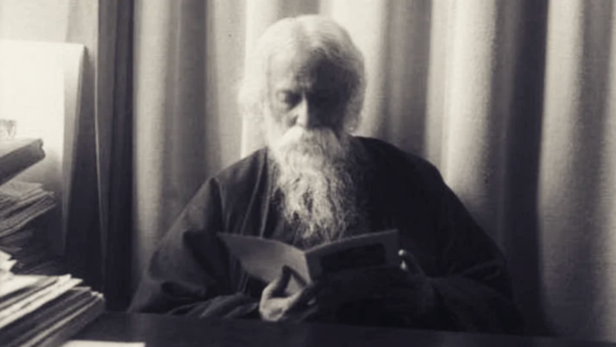
Tagore | Instagram - @rabindranath.tagore
This teaching is about the gap between thinking and doing. Tagore is pointing out a very common human habit: overthinking without action. Many people spend years planning their future, analyzing every risk, and waiting for the “perfect time.” But life rarely gives perfect conditions. Tagore’s message is simple but powerful. Progress begins only when action starts, even if conditions are imperfect. Success is not created in imagination alone; it is built through repeated effort, mistakes, and learning. On a deeper level, this also connects to inner peace. A restless mind often comes from unfinished actions and delayed decisions. When a person starts acting with clarity, mental pressure reduces. Movement replaces confusion. That is where calmness begins.
2. “Faith is the bird that feels the light and sings when the dawn is still dark.”
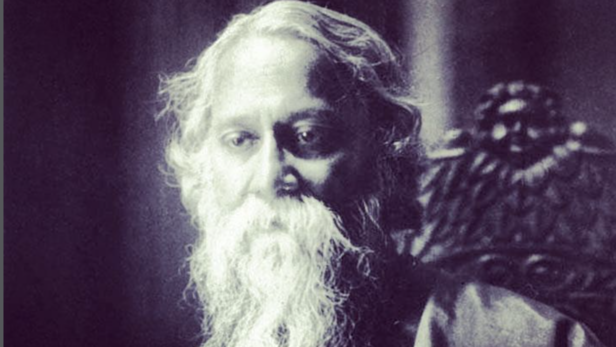
Rabindranath Tagore | Instagram - @rabindranath.tagore
This quote speaks about inner trust during uncertain times. Tagore is describing people who can sense hope even when there is no visible proof of it. The “bird singing before dawn” is a symbol of confidence before results appear. In real life, this means continuing effort even when outcomes are not immediate. Success often requires working in situations where results are not yet visible. Faith here is not blind belief, but steady inner confidence that effort will eventually create change. For inner peace, this teaching reduces anxiety about the future. Instead of demanding certainty at every step, a person learns to stay steady even in uncertainty. That emotional stability is what Tagore connects with true strength.
3. “If you shut the door to all errors, truth will be shut out.”
Tagore challenges perfectionism and fear of mistakes. Many people avoid trying new things because they are afraid of failure. But he is saying that if you remove all chances of error, you also remove the possibility of discovering something new. In terms of success, every major achievement involves mistakes, corrections, and learning cycles. A person who avoids error completely often avoids growth as well. For inner peace, this teaching removes unnecessary pressure. When mistakes are accepted as part of learning, guilt and fear reduce. The mind becomes more open, flexible, and calm. Instead of fighting mistakes, a person starts learning from them.
4. “Life is given to us, we earn it by giving it.”
This teaching is about meaning and contribution. Tagore is saying that life becomes valuable not just by what we take, but by what we give back. Success, in this sense, is not only personal achievement. It is also about usefulness. When a person contributes to others- through work, kindness, creativity, or service- life feels more meaningful. Inner peace naturally increases when life has purpose beyond self-interest. A purely self-centered life often creates emptiness, even after success. But when a person feels useful to others, emotional satisfaction becomes deeper and more stable.
5. “We come nearest to the great when we are great in humility.”
Tagore places humility above pride. He believed that ego creates distance from truth and learning. A person who thinks they already know everything stops growing. In success terms, humility allows continuous learning. Every field evolves, and only those who remain open can adapt. Humility keeps a person teachable, and that directly supports long-term success. For inner peace, humility reduces internal conflict. Ego often creates comparison, jealousy, and insecurity. When humility replaces ego, the mind becomes lighter and less defensive. That leads to emotional stability.
6. “Let us not pray to be sheltered from dangers, but to be fearless when facing them.”
Tagore is not asking for a life without problems. He is asking for courage. Problems, risks, and uncertainty are part of life. Avoiding them completely is impossible. Success comes when a person learns to face challenges instead of escaping them. Fear often stops action more than actual danger does. When fear reduces, capability increases. On the inner peace side, this teaching is very important. Fear creates constant mental stress. But fearlessness does not mean recklessness; it means mental strength to stay calm under pressure. That calmness is what creates real stability in life.
7. “The butterfly counts not months but moments, and has time enough.”
This teaching focuses on the quality of time, not just quantity. Tagore is reminding us that life is not meant to be lived only in schedules, deadlines, and future planning. Success is often associated with long-term goals, but inner satisfaction comes from how deeply we experience each moment. When life is rushed, even success feels empty. This teaching encourages presence. When a person fully experiences what they are doing right now, even small moments feel meaningful. That awareness reduces mental fatigue and increases clarity. Inner peace grows when life is lived moment by moment instead of constant mental rushing.
Conclusion
Rabindranath Tagore’s teachings are not motivational shortcuts. They are deep reflections on how the human mind works. He connects success with action, learning, humility, courage, and contribution. At the same time, he connects inner peace with acceptance, presence, and emotional balance. His philosophy suggests something very simple but powerful: success without peace feels incomplete, and peace without purpose feels empty. When both exist together, life becomes not just productive, but truly meaningful.
Unlock insightful tips and inspiration on personal growth, productivity, and well-being. Stay motivated and updated with the latest at My Life XP.