How India Is Quietly Becoming an Energy Superpower
Noopur Kumari | Mon, 27 Apr 2026
What if India is already much closer to energy independence than it appears on the surface? Behind the scenes, a powerful shift is unfolding nuclear energy is quietly making a comeback, and wind power has crossed an impressive 56 GW faster than most expected. But this transformation isn’t just driven by policies or projects. It also depends on everyday citizens making small, conscious choices. So the real question is are we witnessing a routine upgrade, or is India preparing for a completely different energy future that will change everything?

"India has embarked on path of becoming self-reliant for its energy needs": PM Narendra Modi
Image credit : ANI
What if the biggest transformation in India is happening quietly far from the noise of daily headlines? While attention stays on short-term events, a deeper shift is unfolding in the energy sector. From major nuclear breakthroughs to rapidly expanding renewable power, India is steadily building a stronger, more self-reliant future. This isn’t a sudden change it’s a long-term strategy taking shape step by step. And the most surprising part? Many people still don’t realize how fast this progress is moving. What looks like gradual growth may actually be one of the most important transitions of our time.
![India will become a hub of clean energy: PM Modi]()
India recently achieved a major milestone with the Fast Breeder Reactor at Kalpakkam reaching criticality. Highlighted by Narendra Modi during Mann Ki Baat, this development signals a new phase in nuclear energy. What makes it more powerful is that it is built using indigenous technology. This means India is not just producing energy it is building self-reliance. Nuclear power offers long-term stability, and this step shows a clear move toward reducing dependence on external sources.
!["India should be among the top three AI superpowers globally": PM Modi sets 2047 vision]()
India’s wind energy capacity has crossed 56 gigawatts, making it one of the top countries globally. This is not just a number it reflects years of consistent effort. Large renewable parks are expanding across the country, especially in regions with strong wind potential. This growth shows a clear commitment to clean energy. It also signals a shift away from traditional sources toward more sustainable options that protect the environment while supporting economic growth.
The push for sustainability is not limited to energy. The bamboo sector, especially in North-East India, is growing steadily. This creates new opportunities for local communities and promotes eco-friendly products. By encouraging bamboo usage nationwide, the focus is on balancing economic growth with environmental responsibility. It’s a simple idea but powerful. When natural resources are used wisely, they can support both livelihoods and sustainability at the same time.
India’s census process is also evolving. With digitisation, the traditional system is becoming faster and more efficient. House listing has already started in some areas, and citizens will receive notifications before enumeration. This reduces confusion and improves participation. It also reflects a larger shift governance is becoming more accessible through technology. Small changes like this often go unnoticed, but they play a big role in shaping how systems function.
India’s cheese industry is growing faster than many expected. Traditional varieties like Surti cheese are gaining attention, not just locally but globally. Exports are increasing, and the sector is expanding rapidly. This shows how traditional products can find a place in modern markets. It’s not just about food it’s about innovation, branding, and global reach. Small industries, when supported properly, can become powerful contributors to the economy.
When you connect all these developments nuclear energy, renewables, sustainability, digital systems, and industry growth a bigger picture emerges. India is not just growing randomly. There is a clear direction toward self-reliance and long-term stability. This is not a short-term change. It is a strategic transformation that will shape the country’s future for decades. And the most interesting part? It is happening step by step, quietly but steadily.
Unlock insightful tips and inspiration on personal growth, productivity, and well-being. Stay motivated and updated with the latest at My Life XP.
1. What recent milestone did India achieve in nuclear energy?
India’s Fast Breeder Reactor at Kalpakkam has reached criticality, marking the start of its operational phase. It’s a major step toward advanced nuclear capability and long-term energy stability.
2. How significant is India’s wind power growth?
India’s wind energy capacity has crossed 56 GW, making it one of the top countries globally. This reflects rapid expansion in clean and renewable energy.
3. Why is nuclear energy gaining attention again?
Nuclear energy provides stable, large-scale power with low emissions. It supports energy security alongside renewables, which depend on weather conditions.
4. What role do citizens play in this energy shift?
Individuals can adopt solar solutions, reduce energy waste, and support clean energy choices, contributing to the larger national transition.
5. What is the goal behind this energy push?
The focus is on energy independence, sustainability, and reducing reliance on fossil fuels while supporting economic growth.
A Silent Nuclear Breakthrough
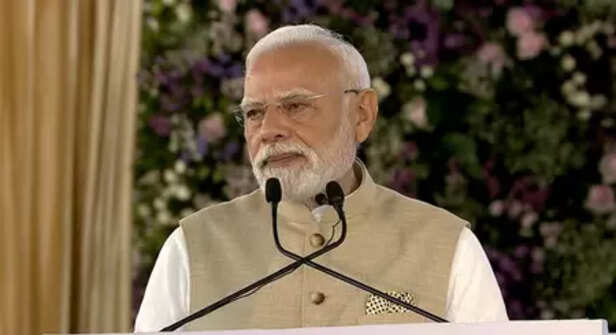
India will become a hub of clean energy: PM Modi
Image credit : IANS
India recently achieved a major milestone with the Fast Breeder Reactor at Kalpakkam reaching criticality. Highlighted by Narendra Modi during Mann Ki Baat, this development signals a new phase in nuclear energy. What makes it more powerful is that it is built using indigenous technology. This means India is not just producing energy it is building self-reliance. Nuclear power offers long-term stability, and this step shows a clear move toward reducing dependence on external sources.
Wind Power Crossing 56 GW
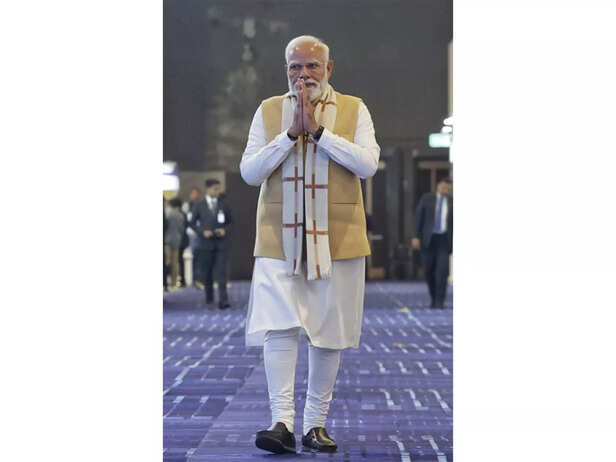
"India should be among the top three AI superpowers globally": PM Modi sets 2047 vision
Image credit : ANI
India’s wind energy capacity has crossed 56 gigawatts, making it one of the top countries globally. This is not just a number it reflects years of consistent effort. Large renewable parks are expanding across the country, especially in regions with strong wind potential. This growth shows a clear commitment to clean energy. It also signals a shift away from traditional sources toward more sustainable options that protect the environment while supporting economic growth.
Beyond Energy: Bamboo and Sustainability
Digital India: Census Transformation
The Unexpected Rise of Cheese Industry
The Bigger Picture: A Strategic Shift
Unlock insightful tips and inspiration on personal growth, productivity, and well-being. Stay motivated and updated with the latest at My Life XP.
Frequently Asked Questions (FAQs)
India’s Fast Breeder Reactor at Kalpakkam has reached criticality, marking the start of its operational phase. It’s a major step toward advanced nuclear capability and long-term energy stability.
2. How significant is India’s wind power growth?
India’s wind energy capacity has crossed 56 GW, making it one of the top countries globally. This reflects rapid expansion in clean and renewable energy.
3. Why is nuclear energy gaining attention again?
Nuclear energy provides stable, large-scale power with low emissions. It supports energy security alongside renewables, which depend on weather conditions.
4. What role do citizens play in this energy shift?
Individuals can adopt solar solutions, reduce energy waste, and support clean energy choices, contributing to the larger national transition.
5. What is the goal behind this energy push?
The focus is on energy independence, sustainability, and reducing reliance on fossil fuels while supporting economic growth.