How to Identify a Real Tulsi Mala: 7 Signs Most People Don't Know?
Kashish Pandey | Jun 24, 2026, 09:00 IST
From online marketplaces to local shops, Tulsi malas are everywhere. But with popularity comes imitation. While fake malas may look identical to the real thing, there are a few subtle clues that can reveal the truth. Before you buy your next Tulsi mala or question the one you already own here are seven signs that can help you tell the difference.

A Tulsi mala isn't just another piece of spiritual jewelry. For many people, it's a symbol of faith, devotion, and a daily connection to something greater than themselves. That's why buying one feels special. But here's the problem: not every Tulsi mala sold today is actually made from real Tulsi wood. Some look so convincing that even experienced buyers can be fooled. So how do you know if the mala you're wearing is genuine? The answer lies in a few simple details that most people completely miss.
The first thing many people notice about a genuine Tulsi mala is how light it feels. Since the beads are made from the stems and wood of the Tulsi plant, they naturally don't have much weight to them. If you've ever held a real Tulsi mala, you'll know it feels comfortable and effortless around the neck.
On the other hand, some imitation malas are made from heavier woods, resin, or synthetic materials. They may look authentic, but they often feel surprisingly dense in your hand. While weight alone isn't enough to confirm authenticity, it's often the first hint that something may be off.
Take a closer look at the beads. Are they all exactly the same size, shape, and texture? If the answer is yes, you might want to be cautious. Nature rarely creates perfection. Genuine Tulsi beads often have tiny differences, slight marks, uneven textures, or natural variations in color.
These imperfections aren't flaws they're proof that the beads came from a living plant. A mala that looks machine-perfect from end to end may not be as natural as it appears.
![Dried tulsi mala]()
One of the lesser-known signs of genuine Tulsi wood is its natural scent. It's not a strong perfume-like smell, but rather a soft, earthy fragrance that reminds you of the plant itself.
If you gently rub two beads together, you may notice this subtle aroma. Fake malas often have no scent at all, or worse, an artificial fragrance added to mimic Tulsi. The difference becomes more obvious with time, as synthetic scents fade while natural wood retains its character.
A real Tulsi mala doesn't feel like polished plastic. When you run your fingers over the beads, you'll usually notice a natural texture slightly grainy, warm, and organic. Many imitation malas are polished to perfection, making them feel unnaturally smooth.
They may look beautiful in photographs, but they often lack the warmth and character of genuine Tulsi wood. Sometimes, the easiest way to identify a real mala is simply by holding it and paying attention to how it feels.
Many buyers assume that darker beads mean higher quality, but that's not necessarily true. Genuine Tulsi malas can range from light cream to medium brown shades depending on the age of the wood and how it was processed.
In fact, perfectly uniform coloring can sometimes be a warning sign. Some manufacturers dye their beads to create a rich, aged appearance. Real Tulsi wood tends to have natural variations, making each mala unique. Over time, genuine beads may darken naturally through use and exposure to skin oils.
If you've ever searched online for ways to identify a real Tulsi mala, you've probably come across the famous water test. According to the myth, real Tulsi beads should float while fake ones sink.
The truth is far more complicated. Factors like density, moisture, and age can affect whether a bead floats or sinks. Some authentic Tulsi beads may sink, while certain fake materials can float. That's why experts recommend looking at multiple signs rather than relying on one viral trick from the internet.
Sometimes the easiest way to identify a genuine Tulsi mala is to look beyond the mala itself. Where are you buying it from? Does the seller provide clear information about its source? Trusted spiritual stores, temple shops, and established vendors are usually more transparent about the materials they use.
While a bargain price can be tempting, extremely cheap malas should raise questions. When it comes to something connected with faith, authenticity is often worth paying a little extra for.
A Tulsi mala carries meaning that goes far beyond its beads. It's a symbol of devotion, tradition, and personal belief. While fake versions may look convincing, paying attention to details like texture, weight, scent, and craftsmanship can help you make a more informed choice. At the end of the day, faith comes from within but knowing that the mala you wear is genuine can make that connection feel even more meaningful.
Unlock insightful tips and inspiration on personal growth, productivity, and well-being. Stay motivated and updated with the latest at My Life XP.
It Feels Light, Not Heavy
The first thing many people notice about a genuine Tulsi mala is how light it feels. Since the beads are made from the stems and wood of the Tulsi plant, they naturally don't have much weight to them. If you've ever held a real Tulsi mala, you'll know it feels comfortable and effortless around the neck.
On the other hand, some imitation malas are made from heavier woods, resin, or synthetic materials. They may look authentic, but they often feel surprisingly dense in your hand. While weight alone isn't enough to confirm authenticity, it's often the first hint that something may be off.
A Real Tulsi Mala Has a Story Written on Its Beads
Take a closer look at the beads. Are they all exactly the same size, shape, and texture? If the answer is yes, you might want to be cautious. Nature rarely creates perfection. Genuine Tulsi beads often have tiny differences, slight marks, uneven textures, or natural variations in color.
These imperfections aren't flaws they're proof that the beads came from a living plant. A mala that looks machine-perfect from end to end may not be as natural as it appears.
There's a Subtle Earthy Fragrance
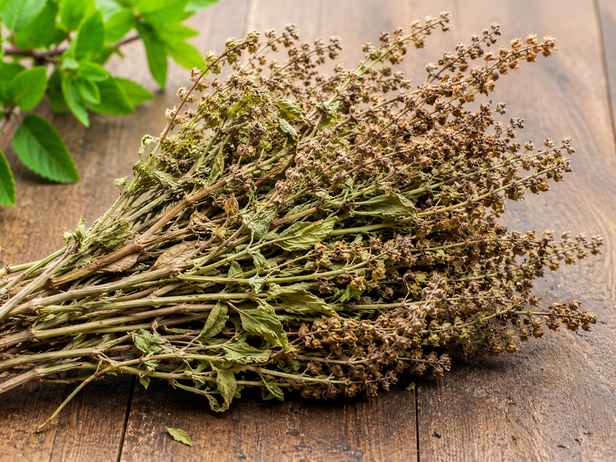
Dried tulsi mala
One of the lesser-known signs of genuine Tulsi wood is its natural scent. It's not a strong perfume-like smell, but rather a soft, earthy fragrance that reminds you of the plant itself.
If you gently rub two beads together, you may notice this subtle aroma. Fake malas often have no scent at all, or worse, an artificial fragrance added to mimic Tulsi. The difference becomes more obvious with time, as synthetic scents fade while natural wood retains its character.
The Texture Feels Alive
A real Tulsi mala doesn't feel like polished plastic. When you run your fingers over the beads, you'll usually notice a natural texture slightly grainy, warm, and organic. Many imitation malas are polished to perfection, making them feel unnaturally smooth.
They may look beautiful in photographs, but they often lack the warmth and character of genuine Tulsi wood. Sometimes, the easiest way to identify a real mala is simply by holding it and paying attention to how it feels.
The Color Isn't Always Perfect
In fact, perfectly uniform coloring can sometimes be a warning sign. Some manufacturers dye their beads to create a rich, aged appearance. Real Tulsi wood tends to have natural variations, making each mala unique. Over time, genuine beads may darken naturally through use and exposure to skin oils.
Don't Trust Every Internet Test
The truth is far more complicated. Factors like density, moisture, and age can affect whether a bead floats or sinks. Some authentic Tulsi beads may sink, while certain fake materials can float. That's why experts recommend looking at multiple signs rather than relying on one viral trick from the internet.
The Seller Matters More Than You Think
https://www.instagram.com/reel/DZwKFUtpQWO/?utm_source=ig_web_copy_link&igsh=MzRlODBiNWFlZA==
Sometimes the easiest way to identify a genuine Tulsi mala is to look beyond the mala itself. Where are you buying it from? Does the seller provide clear information about its source? Trusted spiritual stores, temple shops, and established vendors are usually more transparent about the materials they use.
While a bargain price can be tempting, extremely cheap malas should raise questions. When it comes to something connected with faith, authenticity is often worth paying a little extra for.
Unlock insightful tips and inspiration on personal growth, productivity, and well-being. Stay motivated and updated with the latest at My Life XP.